The Culinary Charm of Horse Mushrooms: From Forest Floors to Gourmet Plates
Horse mushrooms, often overlooked in the shadow of their flashier relatives like morels and porcini, hold a quiet, steadfast charm in the culinary world. Known scientifically as Agaricus arvensis, these mushrooms possess a subtle earthiness and delicate texture that makes them a favorite among seasoned chefs and home cooks alike. Found commonly in meadows, pastures, and the edges of forests, horse mushrooms bridge the gap between wild foraged ingredients and refined gourmet dishes. Their journey from forest floors to elegant plates is a story of flavor, tradition, and innovation.
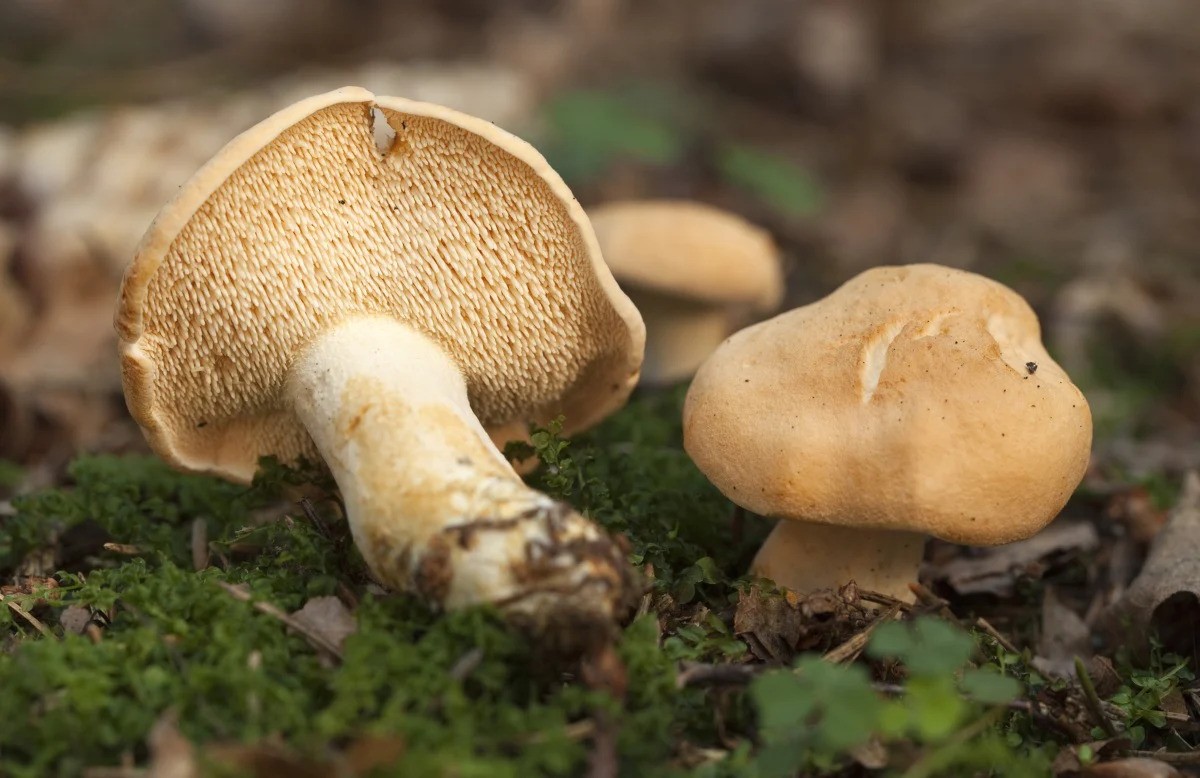
For those who venture into the wild with baskets in hand, horse mushrooms are a delightful discovery. Their creamy white caps and thick, firm stems are inviting, and their slightly nutty aroma signals culinary potential. Unlike some wild mushrooms, horse mushrooms are relatively easy to identify, making them a perfect starting point for novice foragers. Once harvested, their versatility in the kitchen becomes immediately apparent. They can be grilled, sautéed, roasted, or incorporated into rich sauces, and their flavor pairs beautifully with a range of ingredients from earthy root vegetables to tender cuts of meat.

The Flavor Profile That Captivates Chefs
The magic of horse mushrooms lies in their subtle, yet distinct flavor. They have a mild nuttiness, coupled with a gentle umami quality that can enhance any dish without overwhelming it. Unlike more assertive mushrooms, such as shiitake or chanterelles, horse mushrooms offer a blank canvas, allowing other flavors in a dish to shine. This subtlety makes them incredibly versatile in both classic and contemporary cuisine.
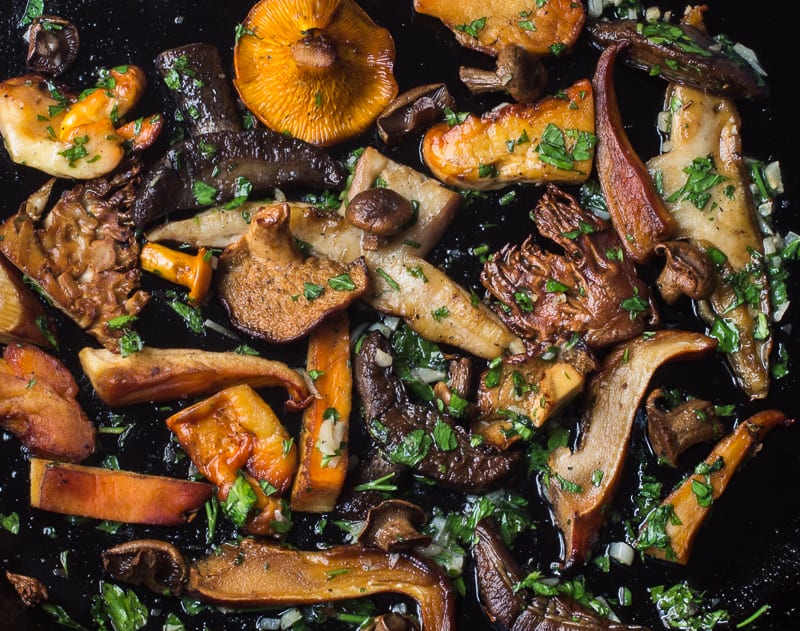
When lightly sautéed in butter with a sprinkle of sea salt, horse mushrooms release a rich, fragrant aroma that hints at the earthiness of their woodland origins. Adding a splash of white wine or sherry can elevate their flavor, creating a delicate sauce perfect for drizzling over roasted poultry or tender cuts of beef. Their texture holds up well under heat, meaning they maintain a pleasant firmness rather than becoming mushy, which is a common pitfall with more delicate mushrooms.
From Forest to Kitchen: Preparation Tips
Foraging horse mushrooms is only the beginning; proper preparation is key to unlocking their culinary potential. First and foremost, cleanliness is essential. Gently brush away any dirt or debris rather than rinsing them under running water, which can make them soggy. Once cleaned, slicing them evenly ensures consistent cooking, whether they are being pan-fried, grilled, or incorporated into a risotto.
Cooking methods can vary widely depending on the desired outcome. Sautéing in butter or olive oil is a classic approach, enhancing their natural nuttiness while creating a golden, caramelized exterior. Roasting in the oven with fresh herbs such as thyme, rosemary, or sage adds depth, while grilling imparts a subtle smokiness that complements their earthy flavor. For soups and stews, simmering horse mushrooms slowly allows their flavor to infuse the broth without losing their firm texture.
Signature Dishes Featuring Horse Mushrooms
One of the most celebrated uses of horse mushrooms is in creamy pasta dishes. A simple yet elegant preparation involves sautéing sliced horse mushrooms with garlic, shallots, and a touch of cream, then tossing them with fresh tagliatelle. The result is a luxurious, comforting dish where the mushrooms take center stage, their flavor enhanced by the gentle sweetness of the cream and the aromatic undertones of garlic and shallots.
Horse mushrooms also shine in risotto. Their mild umami and firm texture make them an ideal complement to the creamy rice, slowly cooked with white wine, stock, and Parmesan cheese. Adding a hint of truffle oil can elevate the dish further, creating a sophisticated experience that feels both rustic and refined.
For meat lovers, horse mushrooms are a perfect accompaniment to roasted or pan-seared meats. Their earthy flavor pairs beautifully with beef, lamb, and chicken, while their texture provides a satisfying contrast to tender meat. A classic dish involves creating a mushroom jus or sauce by deglazing the pan with wine and stock, then stirring in sautéed horse mushrooms to finish. The resulting sauce is rich, flavorful, and deeply satisfying.
Vegetarian and Vegan Interpretations
Horse mushrooms are equally celebrated in vegetarian and vegan cuisine. Their meaty texture makes them an excellent substitute for meat in various dishes. Grilled horse mushroom steaks, marinated in olive oil, garlic, and fresh herbs, provide a hearty, satisfying entrée. When sliced thinly and roasted, they can add depth and umami to grain bowls, salads, and pasta dishes.
Mushroom pâtés and spreads are another creative avenue. Blending sautéed horse mushrooms with walnuts, garlic, and a touch of olive oil creates a rich, flavorful spread perfect for crusty bread or crackers. These preparations highlight the versatility of horse mushrooms, proving that they can hold their own even without the accompaniment of animal products.

Preserving the Flavor: Storage and Longevity
Fresh horse mushrooms are at their peak when used within a few days of harvesting. Stored in a paper bag in the refrigerator, they remain firm and flavorful, ready to enhance a variety of dishes. For longer-term preservation, mushrooms can be gently sautéed and frozen, or dried for later use. Dried horse mushrooms intensify in flavor, making them ideal for soups, stews, and sauces where a concentrated mushroom essence is desired.
The preservation process allows chefs to enjoy the earthy, nuanced flavors of horse mushrooms year-round, extending their culinary appeal beyond seasonal availability. Properly stored, they maintain the integrity of their flavor and texture, ensuring that even in the middle of winter, the taste of freshly foraged mushrooms can grace the table.
Cultural and Historical Significance
Horse mushrooms have long been appreciated in European cuisine, particularly in countries such as France, Italy, and the United Kingdom. Traditionally foraged by hand, they were often incorporated into hearty, rustic dishes that celebrated local ingredients. In French cuisine, horse mushrooms might appear in creamy sauces or as part of a mushroom fricassée. In Italy, they are cherished in risottos and pasta dishes, where their subtle flavor complements the robust character of regional cheeses, herbs, and olive oils.
Beyond Europe, the culinary potential of horse mushrooms is gaining recognition worldwide. Chefs in North America and Asia are experimenting with their texture and flavor, incorporating them into fusion dishes that highlight global ingredients while honoring the mushroom’s earthy roots. This growing popularity speaks to a broader culinary trend: the celebration of local, seasonal, and foraged ingredients in fine dining.
The Future of Horse Mushrooms in Modern Cuisine
As sustainability and seasonality become increasingly important in contemporary cooking, horse mushrooms offer an appealing option. They are relatively easy to forage without causing ecological harm, and their versatility in the kitchen makes them valuable for chefs seeking both flavor and sustainability. Farmed horse mushrooms are also becoming more common, providing access to these flavorful fungi year-round.
Innovative chefs are pushing the boundaries of how horse mushrooms are used. From mushroom-based pâtés and terrines to delicate hors d’oeuvres and gourmet sauces, their potential seems limitless. With an emphasis on natural flavors, textural balance, and visual appeal, horse mushrooms are carving out a space in modern gastronomy that honors both tradition and innovation.
Bringing Horse Mushrooms Home
For the home cook, incorporating horse mushrooms into everyday meals can be a transformative experience. Their ability to elevate simple dishes—risottos, pastas, soups, or roasted vegetables—adds a touch of sophistication without requiring complex techniques. Starting with a small batch, experimenting with different cooking methods, and combining them with complementary ingredients allows their full flavor to shine.
Horse mushrooms remind us that culinary magic often lies in subtlety. They encourage mindfulness in cooking, celebrating the natural aroma, texture, and flavor of an ingredient rather than masking it with heavy sauces or over-seasoning. Bringing them home from the forest or the market offers an opportunity to connect with the natural world while creating meals that are both nourishing and indulgent.

Conclusion: A Mushroom Worth Celebrating
The culinary charm of horse mushrooms lies in their understated elegance. From their humble origins on forest floors and meadows to their starring roles on gourmet plates, they embody the intersection of tradition, flavor, and innovation. Their versatility, mild umami, and firm texture make them suitable for a wide range of dishes, from creamy pastas and risottos to roasted vegetable platters and hearty mushroom sauces.
For chefs and home cooks alike, horse mushrooms offer an invitation to explore the richness of the natural world and the subtle pleasures of fine cooking. Whether foraged by hand or purchased from a trusted market, their delicate aroma and earthy flavor promise a culinary experience that is as rewarding as it is delicious. Horse mushrooms are more than an ingredient; they are a reminder of the artistry inherent in simple, natural foods and the joy of transforming them into memorable meals.