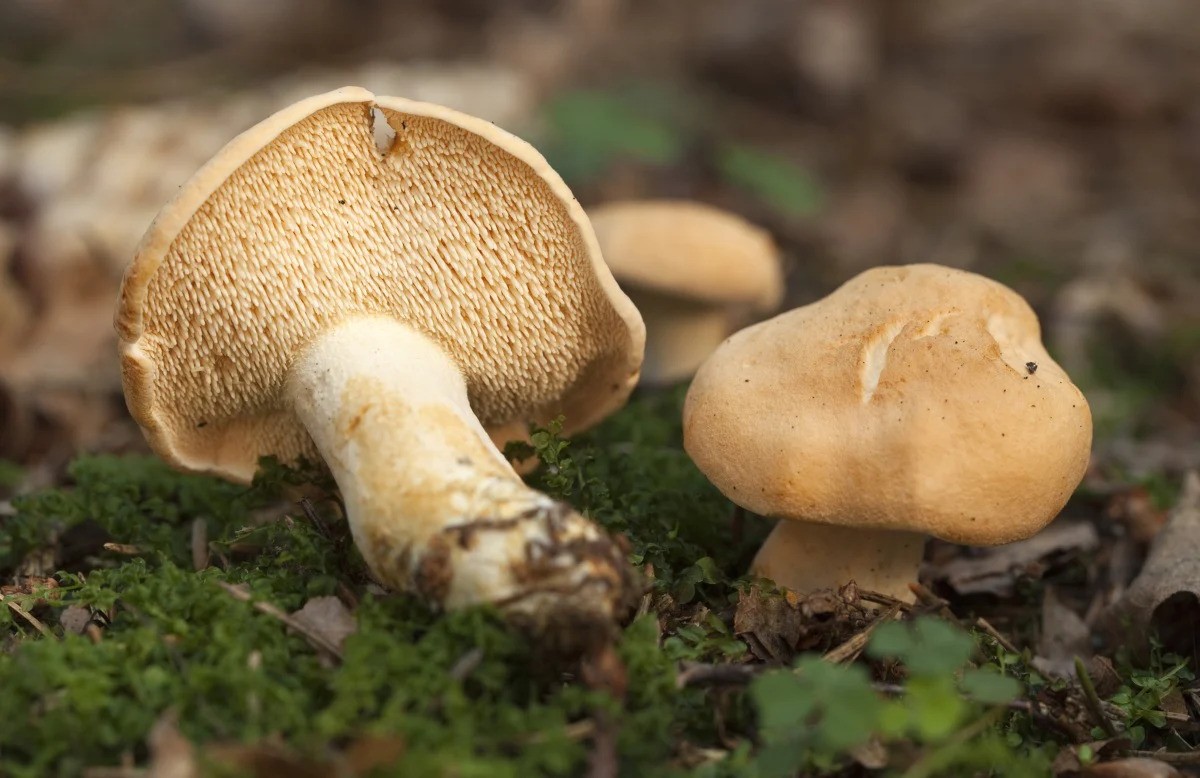
Edible, Toxic, or Transformative? Understanding Pavement Mushrooms and Their Practical Uses
The Strange Sight of Mushrooms Breaking Through Concrete
Few things feel more quietly subversive than spotting a mushroom pushing its way through a crack in the pavement. Against the hardness of concrete and asphalt, these delicate-looking organisms seem almost out of place, yet pavement mushrooms are becoming an increasingly familiar sight in cities around the world. They appear overnight along sidewalks, parking lots, playgrounds, and abandoned industrial sites, raising questions that are equal parts curiosity and concern. Are they edible? Are they dangerous? Or are they signs of something deeper happening beneath our feet?
Pavement mushrooms are not a single species but a category of fungi that have adapted to urban environments, thriving where soil is compacted, polluted, or hidden beneath layers of human construction. Their presence challenges the assumption that cities are biologically sterile places. Instead, they reveal an underground network of life that is resilient, opportunistic, and surprisingly useful. Understanding pavement mushrooms means looking beyond whether they are safe to eat and exploring how they interact with toxins, materials, and even the future of sustainable cities.

Why Mushrooms Grow Where Nothing Else Can
To understand pavement mushrooms, it helps to understand fungi themselves. Unlike plants, mushrooms do not rely on sunlight to produce energy. They feed by breaking down organic and inorganic materials, secreting enzymes that dissolve complex compounds into absorbable nutrients. This ability allows fungi to colonize environments that are hostile to most life, including the thin layers of debris, dust, and trapped organic matter beneath pavement.
Urban environments provide a strange but consistent food supply. Fallen leaves are swept into cracks. Pet waste, airborne pollutants, decaying roots from nearby trees, and even remnants of construction materials accumulate over time. Mycelium, the underground network of fungal threads, can weave its way through microscopic spaces in concrete and asphalt, slowly expanding until conditions are right for fruiting. When moisture and temperature align, mushrooms emerge, seemingly out of nowhere.
Some pavement mushrooms are saprotrophic, feeding on dead organic matter. Others form relationships with nearby trees, tapping into root systems that extend beneath sidewalks. A few are particularly adept at tolerating heavy metals and chemical pollutants, making them specialists in urban survival.
The Question of Edibility in Urban Mushrooms
The idea of eating a mushroom that grew out of a sidewalk understandably makes many people uneasy. While some pavement mushrooms belong to species that are traditionally edible, their urban environment complicates the issue. Fungi are known bioaccumulators, meaning they absorb substances from their surroundings. In cities, those substances can include lead, mercury, cadmium, oil residues, and other pollutants left behind by traffic and industry.
Common edible species such as oyster mushrooms, shaggy ink caps, and certain agarics are sometimes found growing near pavement or in city parks. In rural settings, these mushrooms are widely foraged and enjoyed. In urban settings, however, their safety depends less on the species and more on the location. A mushroom growing beside a busy road or near an old building site may contain levels of toxins that make it unsuitable for consumption, even if the species itself is considered safe.
That said, not all urban mushrooms are equally risky. Mushrooms growing in relatively clean environments, such as pedestrian-only areas, newer parks, or residential sidewalks away from traffic, may have lower contamination levels. Some urban foragers take a cautious approach, harvesting only from locations they trust and sometimes sending samples for laboratory testing.
Toxic Species and the Illusion of Familiarity
Adding to the challenge is the presence of toxic mushrooms that thrive just as readily in urban environments as edible ones. Some of the most dangerous mushroom species are remarkably adaptable and can grow in disturbed soils and compacted ground. Pavement cracks offer just enough shelter and moisture for them to fruit.
What makes toxic pavement mushrooms particularly concerning is how ordinary they can look. To the untrained eye, a poisonous mushroom may resemble a familiar grocery-store variety or a harmless wild species. In cities, where people are less accustomed to seeing wild fungi, this false sense of familiarity can be risky. Children and pets are especially vulnerable, drawn by the novelty of mushrooms appearing where they do not expect them.
Toxic pavement mushrooms serve as a reminder that fungi operate by their own rules. They do not respect the boundaries humans create between “natural” and “artificial” spaces. A deadly mushroom does not become less dangerous because it grows through concrete, just as an edible species does not become safe simply because it looks appealing.

Pavement Mushrooms as Urban Decomposers
Beyond the question of eating or avoiding them, pavement mushrooms play an important ecological role. Cities produce enormous amounts of waste, much of it organic in origin. Leaves, wood debris, paper fibers, and plant matter become trapped in urban infrastructure. Fungi are among the few organisms capable of breaking these materials down efficiently.
Some pavement mushrooms specialize in decomposing lignin and cellulose, the tough compounds found in wood and plant cell walls. This process slowly returns nutrients to the soil, even when that soil is fragmented and buried. Over time, fungal activity can improve soil structure beneath pavement, supporting the roots of street trees and other urban vegetation.
In this sense, pavement mushrooms are quiet maintenance workers. They help prevent organic waste from accumulating indefinitely, reducing the buildup of material that could otherwise attract pests or contribute to decay in less controlled ways.
Breaking Down More Than Organic Matter
One of the most fascinating aspects of pavement mushrooms is their ability to interact with inorganic materials. Certain fungi can secrete acids and enzymes that slowly break down minerals found in stone and concrete. While this process is gradual, it plays a role in the long-term weathering of urban infrastructure.
From a human perspective, this can be seen as either a problem or an opportunity. On one hand, fungal growth can contribute to cracks and structural weakening over time. On the other, researchers are exploring how these same processes could be harnessed for controlled material recycling. The ability of fungi to dissolve minerals and bind particles together has inspired experiments in fungal-based construction materials and self-healing concrete.
In polluted areas, some pavement mushrooms have demonstrated a remarkable capacity for bioremediation. They can absorb heavy metals and break down petroleum-based compounds, effectively cleaning contaminated soils.
Cultural Attitudes Toward Urban Fungi
Human reactions to pavement mushrooms often reveal deeper cultural attitudes about nature and control. In many cities, mushrooms are seen as signs of neglect or decay, something to be removed as quickly as possible. Maintenance crews may scrape them away without a second thought, viewing them as nuisances rather than living organisms with ecological roles.
At the same time, there is a growing movement of urban naturalists and foragers who see pavement mushrooms as symbols of resilience and coexistence. For them, a mushroom growing through concrete is a reminder that cities are ecosystems, not machines. This perspective encourages curiosity rather than fear and promotes a more nuanced relationship with urban nature.
Practical Uses Beyond the Plate
Even when pavement mushrooms are not suitable for eating, they may still have practical uses. Artists and designers have experimented with using fungal growth patterns as inspiration for urban art, highlighting the contrast between organic forms and rigid architecture. Educators use pavement mushrooms as teaching tools, introducing students to ecology, biology, and environmental science through direct observation.
In scientific research, pavement mushrooms provide valuable data on how organisms adapt to extreme and polluted environments. Studying these fungi helps researchers understand stress tolerance, mutation, and resilience, knowledge that can be applied to agriculture, medicine, and climate science. Some compounds produced by urban fungi show promise in antimicrobial and pharmaceutical research, although this work is still emerging.

Living With the Fungi Beneath Our Feet
Pavement mushrooms occupy a liminal space between wild and built environments. They are not garden plants, yet they are not invaders either. They are residents, responding to the conditions we have imposed on the landscape. Understanding them requires patience and humility, recognizing that human design is only one layer of a much larger system.
As cities continue to expand, the presence of pavement mushrooms is likely to increase rather than disappear. Climate change, aging infrastructure, and shifts in urban planning will create new niches for fungi to exploit. How we respond to them will say much about our willingness to coexist with non-human life in shared spaces.
In the end, pavement mushrooms are not merely curiosities. They are indicators, workers, and teachers. They show us what survives when conditions are harsh, what accumulates when we are careless, and what possibilities emerge when biology and human systems intersect. Edible, toxic, or transformative, they demand attention not because they are unusual, but because they are honest reflections of the environments we have built.