How Lion’s Mane Is Changing the Future of Natural Wellness and Functional Foods
The world of natural wellness has always looked to the forest for inspiration, but few ingredients have made as dramatic an entrance into mainstream culture as Lion’s Mane mushroom. Once a quiet staple in traditional herbal practices, it has carved out a new identity in the modern wellness landscape. Today, it sits at the intersection of culinary innovation, neuroscience research, and the booming functional foods industry, reshaping how people think about both nutrition and natural support for overall well-being. What makes Lion’s Mane so captivating isn’t just its unusual appearance or rich cultural history—it’s the way it bridges ancient knowledge with modern curiosity.

The Mushroom That Captured Modern Imagination
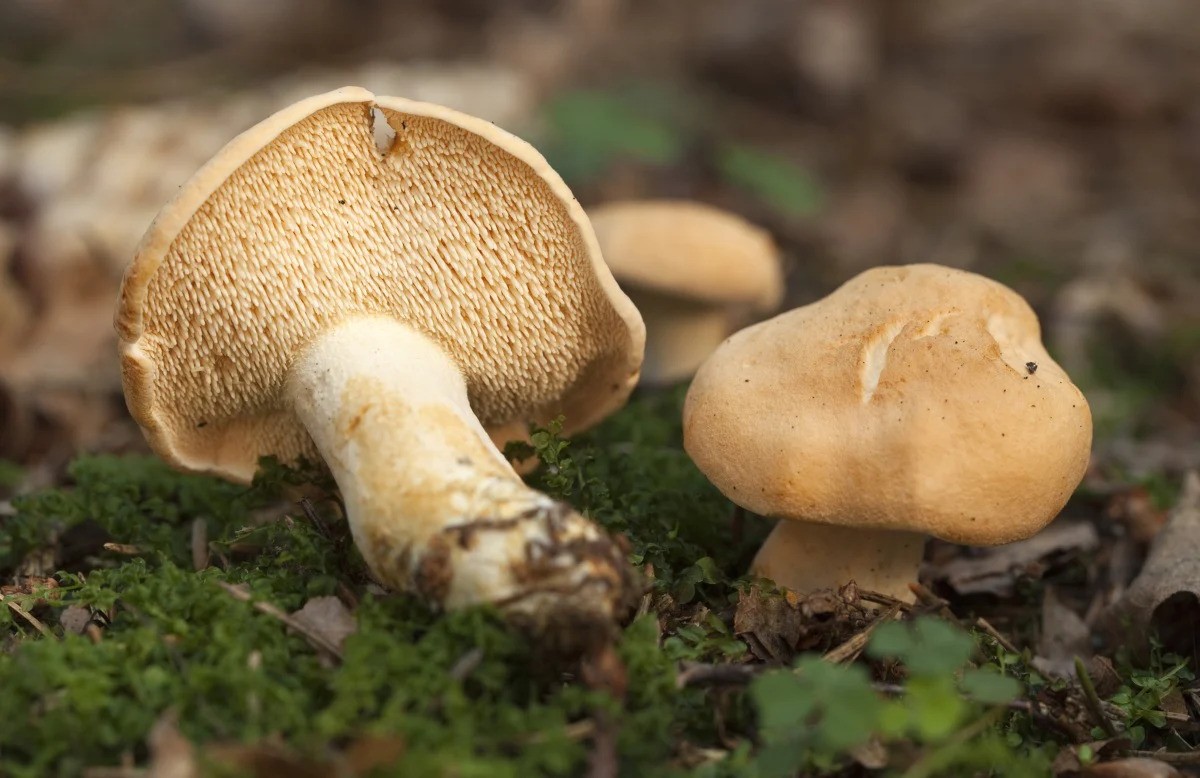
Lion’s Mane doesn’t look like the mushrooms most people know. Instead of a cap and stem, it grows in cascading ivory strands that resemble a frozen waterfall. Its appearance alone is enough to spark interest, but the mushroom’s reputation extends far beyond aesthetics. For centuries, practitioners of traditional Eastern wellness systems valued Lion’s Mane for its calming properties and for the sense of clarity it was said to support. Those beliefs remained relatively niche until scientific research began to catch up, introducing the wider world to bioactive compounds that have become the core of Lion’s Mane’s modern appeal.
As research expanded, something unusual happened: Lion’s Mane didn’t stay confined to herbal shops or supplement aisles. It broke into culinary circles, natural wellness communities, and the functional foods industry, becoming a rare example of a natural ingredient embraced by chefs, health enthusiasts, and scientists alike. Its rise marks a shift in how people view mushrooms—not as simple add-ons, but as powerful contributors to holistic well-being.
A New Perspective on Brain-Supporting Foods
One of the strongest drivers behind Lion’s Mane’s popularity is its association with support for cognitive function and general mental clarity. While researchers are careful to avoid definitive claims, early studies have explored how certain compounds within the mushroom may support the brain’s natural processes. This includes investigations into nerve growth factor interactions and the pathways involved in learning and memory. None of this means Lion’s Mane is any kind of miracle ingredient, but it has sparked meaningful conversations about how nutrition can intersect with brain wellness.
In a world where many people face long hours of study, digital overload, and constant multitasking, the interest in brain-supportive foods feels almost inevitable. People want natural options that may complement their routines, and Lion’s Mane fits neatly into this cultural moment. It represents the broader trend of blending nourishment with everyday wellness, pushing the boundaries of what food can offer without stepping into unrealistic promises.
The Rise of Functional Food Innovation
Functional foods—those formulated to offer benefits beyond basic nutrition—have exploded in popularity, from fortified beverages to superfood snacks. Lion’s Mane has become one of the most exciting additions to this category. What sets it apart is its versatility. It can be consumed fresh, powdered, extracted, infused, or cooked, making it a dream ingredient for product developers.
Walk through a natural grocery store today, and you might find Lion’s Mane in coffee blends, snack bars, protein powders, bottled elixirs, and even ready-to-eat meals. Companies highlight the mushroom’s potential to support focus or provide a sense of grounded energy. While regulations prevent brands from making strong health claims, they lean into the cultural enthusiasm surrounding mushrooms as functional ingredients. Lion’s Mane ends up being a symbol of innovation—a way for brands to show they keep pace with natural wellness trends.
The mushroom’s unique flavor profile has helped accelerate this growth. Unlike some functional ingredients that need to be masked, Lion’s Mane offers a naturally appealing, slightly seafood-like taste when cooked. It fits seamlessly into both savory dishes and modern health-focused recipes. That culinary flexibility has opened doors that many other wellness ingredients simply don’t have.

Culinary Creativity and the Mushroom Renaissance
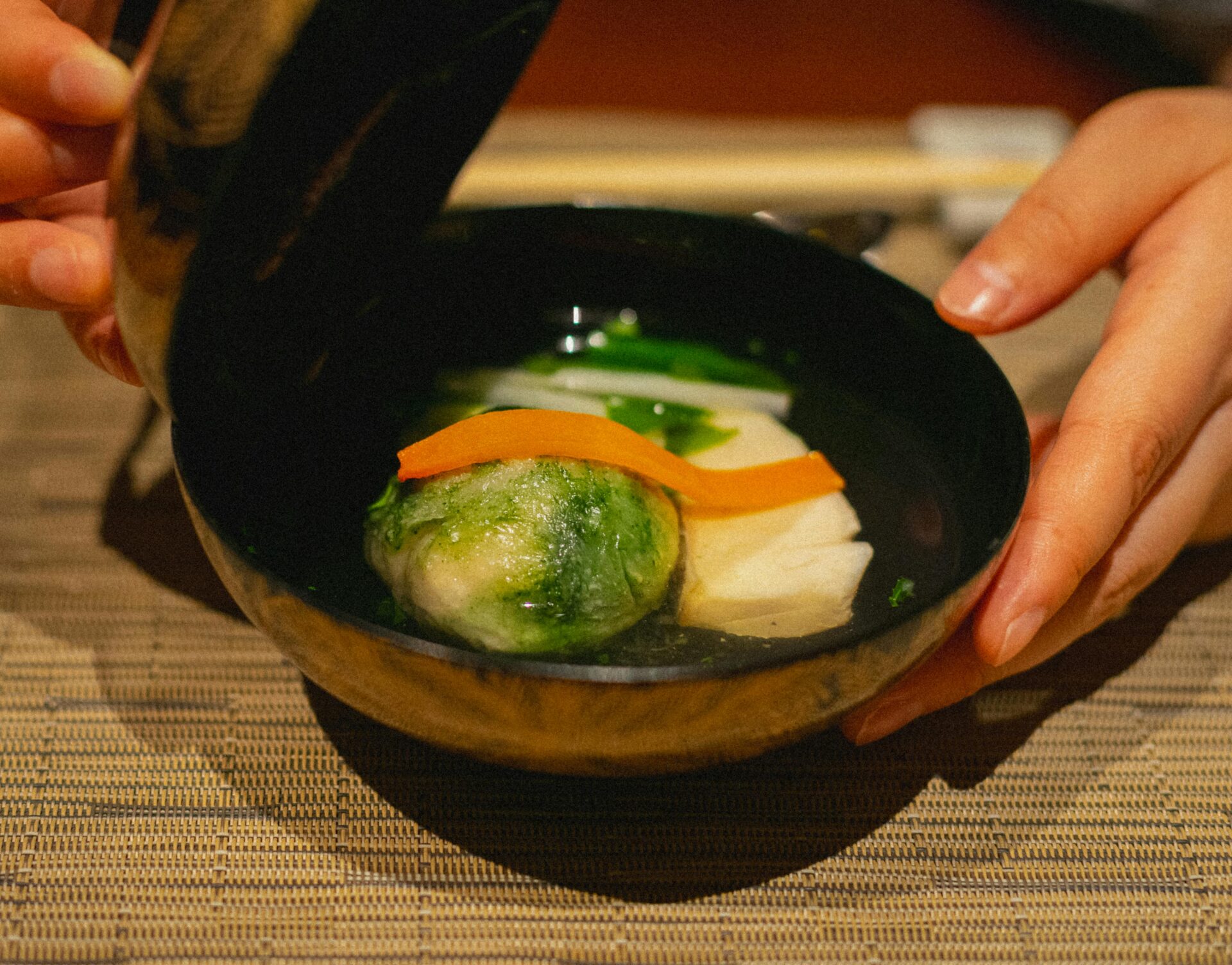
Long before Lion’s Mane appeared in trendy wellness drinks, chefs were already celebrating it for its texture and flavor. When sautéed or roasted, it develops a meaty, tender feel that many describe as reminiscent of shellfish. For chefs aiming to build plant-forward menus without compromising richness, Lion’s Mane has become a powerful tool.
What’s happening in restaurants mirrors a larger cultural trend: a renewed fascination with fungi. As consumers become more conscious of sustainability and food sourcing, mushrooms offer an attractive alternative. They require relatively little water, can be grown vertically, and regenerate quickly. Lion’s Mane, with its distinctive appearance and growing reputation, has been swept up in this culinary renaissance. Its presence on modern menus adds not just a unique dish, but a story—one that resonates with diners curious about both flavor and function.
Bridging Ancient Traditions With Modern Science
Lion’s Mane has become a symbol of the evolving relationship between traditional wellness systems and contemporary research. Many people are drawn to natural ingredients with long histories, but they also want the reassurance of scientific investigation. Lion’s Mane sits comfortably between those worlds. Traditional practices valued it for its calming qualities and the grounded clarity it was said to support. Modern studies explore how it interacts with aspects of the nervous system and digestive health. Although there are still many questions left to answer, the ongoing research adds credibility to the mushroom’s cultural legacy.
This blending of old and new reflects a shift in how society approaches well-being. Instead of choosing between herbal wisdom or modern science, people increasingly seek a middle ground—an approach that respects tradition while welcoming evidence-based understanding. Lion’s Mane stands out because it embodies that balance. It isn’t marketed as a cure or a quick fix but as a natural option that complements broader wellness routines.
Why Young People Are Influencing the Trend
Interestingly, some of Lion’s Mane’s fastest growth has come from younger generations. Teens and young adults today are highly attuned to mental performance, stress management, and overall well-being. Many of them look for natural approaches to support focus while studying, practicing hobbies, or managing busy schedules. Social media plays a huge role here, amplifying discussions about brain-friendly foods and natural lifestyle habits.
While it’s important for young people to remember that no mushroom or supplement replaces good sleep, balanced eating, or stress management, it makes sense why Lion’s Mane has entered their awareness. It represents a natural, food-based approach rather than something extreme or pharmaceutical. Its rise reflects a broader shift toward curiosity about how everyday foods might support general wellness—not through promises, but through balanced, holistic thinking.
Sustainable Cultivation and the Future of Mushroom Farming
Behind the scenes of Lion’s Mane’s popularity is a rapidly evolving world of sustainable mushroom cultivation. Modern growers use clean indoor environments to produce Lion’s Mane year-round, making it more accessible than ever. Many farms focus on eco-friendly substrates, such as recycled sawdust or agricultural byproducts, to minimize environmental impact.
As demand grows, innovation follows. Researchers are developing techniques to improve yield, flavor consistency, and nutrient retention. These advances don’t just benefit Lion’s Mane—they help shape the future of mushroom farming as a whole. Functional mushrooms like Lion’s Mane, Reishi, and Turkey Tail may eventually become as common in kitchens as carrots or spinach. That shift reflects a broader movement toward nutrient-dense and environmentally conscious foods.

A Catalyst for the Natural Wellness Movement
Lion’s Mane is more than a trending ingredient; it has become a catalyst for rethinking wellness. Instead of viewing health as something addressed only through medications or supplements, people are embracing a more integrative perspective. They see food as a meaningful contributor to how they feel day-to-day. Lion’s Mane represents this philosophy especially well because it is both a culinary ingredient and a symbol of functional nourishment.
Its rise encourages conversations about balance, moderation, and supporting the body through everyday habits. No single ingredient defines health, but Lion’s Mane inspires people to explore gentler, more holistic ways of caring for themselves. It invites curiosity rather than pressure. It blends enjoyment with intention.
What the Future Holds for Lion’s Mane
Looking ahead, Lion’s Mane’s influence is likely to grow even stronger. As scientific studies expand, they may provide clearer insights into how the mushroom interacts with various systems in the body. As the functional foods industry continues to experiment, new products will emerge that incorporate Lion’s Mane in creative ways. As restaurants push boundaries, more people will taste the mushroom in delicious, accessible forms.
Ultimately, Lion’s Mane has reshaped the conversation around natural wellness by showing that tradition and innovation can coexist beautifully. Its rise marks a shift toward foods that are not just nourishing but meaningful—ingredients with stories, depth, and potential. In a world searching for balance, Lion’s Mane stands out as a symbol of how nature and modern life can work together in thoughtful, inspiring ways.
If you want, I can help expand this into a longer piece, tailor it to a specific audience, or optimize it for SEO keywords—just let me know.