Cooking with Maitake: Nutritional Benefits, Culinary Techniques, and Flavor Pairings
The Allure of Cooking with Maitake
Maitake mushrooms have quietly moved from niche farmers’ markets to the center of contemporary culinary culture. Their rippling, feathery structure catches the eye immediately, but it’s their depth of flavor—an earthy, savory character often described as intensely umami—that turns cooks into lifelong admirers. Whether you’ve stumbled upon them in a high-end restaurant or sautéed them at home for the first time, maitake mushrooms offer an experience that feels both rustic and refined. They evoke the smell of autumn forests, the warmth of slow cooking, and the joy of discovering a new ingredient that seems to amplify everything around it.
Cooking with maitake is more than just a kitchen task; it’s a conversation with a food that has a long cultural and medicinal history. Known as the “dancing mushroom” in Japan, folklore tells that people would dance with joy upon finding them. Today, that excitement continues as chefs and home cooks embrace maitake for their nutrition, culinary versatility, and compatibility with a remarkable assortment of flavors.

The Nutritional Value Behind the Flavor
One of the reasons maitake mushrooms have captured so much culinary attention is their impressive nutritional profile. They are low in calories yet dense with vitamins and minerals that offer everyday benefits. Maitake deliver generous amounts of B vitamins, especially niacin and riboflavin, which help support metabolism, energy, and cognitive function. Their potassium content supports fluid balance and contributes to heart health, while smaller amounts of vitamin D appear naturally when they’re exposed to sunlight during growth. Few whole foods deliver such a combination of nutrients while remaining light, flavorful, and easy to incorporate into regular meals.
Their beta-glucans—particularly a compound called D-fraction—have generated interest in the wellness world. While cooks may not think about these biochemical details while stirring a pan, it’s satisfying to know that the ingredient providing such robust taste also offers support to immune health and general vitality. Maitake’s fiber content also plays a quiet yet important role in digestive well-being, making these mushrooms an ingredient that supports comfort and nourishment long after the meal is finished.
Protein is another small but important feature. While not a protein powerhouse, maitake contribute more than many vegetables and pair beautifully with legumes, grains, and other plant-based ingredients for a well-rounded dish.
The Art of Preparing Maitake Mushrooms
Cooking maitake becomes even more enjoyable when you learn how they behave in heat. Their natural structure makes them easy to work with: instead of slicing them into flat pieces, most cooks simply tear the clusters by hand. This maintains the delicate frills that crisp beautifully during cooking, offering a satisfying contrast between tender centers and crunchy edges.
Before cooking, it’s best to brush off dirt instead of washing the clusters under running water. Like most mushrooms, maitake can absorb moisture quickly, which can lead to a softer texture. A gentle wipe or a brief rinse followed by thorough drying keeps their texture resilient, allowing the heat to caramelize rather than steam them.
When placed in a hot skillet with a touch of oil, maitake develop a deep golden-brown crust that intensifies their natural umami complexity. Their edges curl and crisp, creating an aroma reminiscent of roasted chestnuts and damp cedar. Many chefs prefer to cook them undisturbed for several minutes on each side to encourage browning before seasoning.

Sautéing, Roasting, and Grilling: Techniques That Elevate Maitake
Among the many cooking techniques available, three methods highlight maitake’s strengths especially well: sautéing, roasting, and grilling. Each brings out different nuances in their flavor and texture.
Sautéing is the most accessible technique and arguably the most popular. A heavy skillet, medium-high heat, and a generous splash of oil help coax out a deep nuttiness beneath their naturally earthy profile. Sautéed maitake pair beautifully with pasta, risotto, polenta, and creamy sauces, absorbing and complementing other flavors without overpowering them. A light sprinkle of salt added near the end helps concentrate their flavor while preserving moisture.
Roasting is an excellent option when you want a crispier result with deeper caramelization. The oven’s dry heat works wonders on the delicate fronds, making them wonderfully crunchy on the edges while maintaining a tender center. Roasted maitake can become the star of a dish—served over grains, layered into sandwiches, or placed atop salads where they add warmth and savoriness. Their roasted aroma carries hints of smoke and toasted nuts, a profile that works especially well in cool-weather dishes.
Grilling, meanwhile, gives maitake a smoky, charred edge that captures the imagination. The uneven layers of the mushroom absorb smoke easily, creating a flavor reminiscent of outdoor cooking traditions around the world. Marinating them briefly—not heavily—helps maintain structure while giving the mushroom additional brightness or richness depending on the marinade.
Making Maitake the Star of the Meal
Although maitake make an excellent supporting ingredient, they shine brightest when showcased at the center of a dish. Their satisfying texture makes them ideal for dishes that traditionally rely on meat or seafood. Pan-seared maitake steaks, for example, create a dramatic presentation while highlighting the mushroom’s ability to hold shape and develop a beautifully browned surface. A simple drizzle of olive oil, a squeeze of lemon, or a spoonful of herb butter transforms the mushroom into a bold, elegant centerpiece.
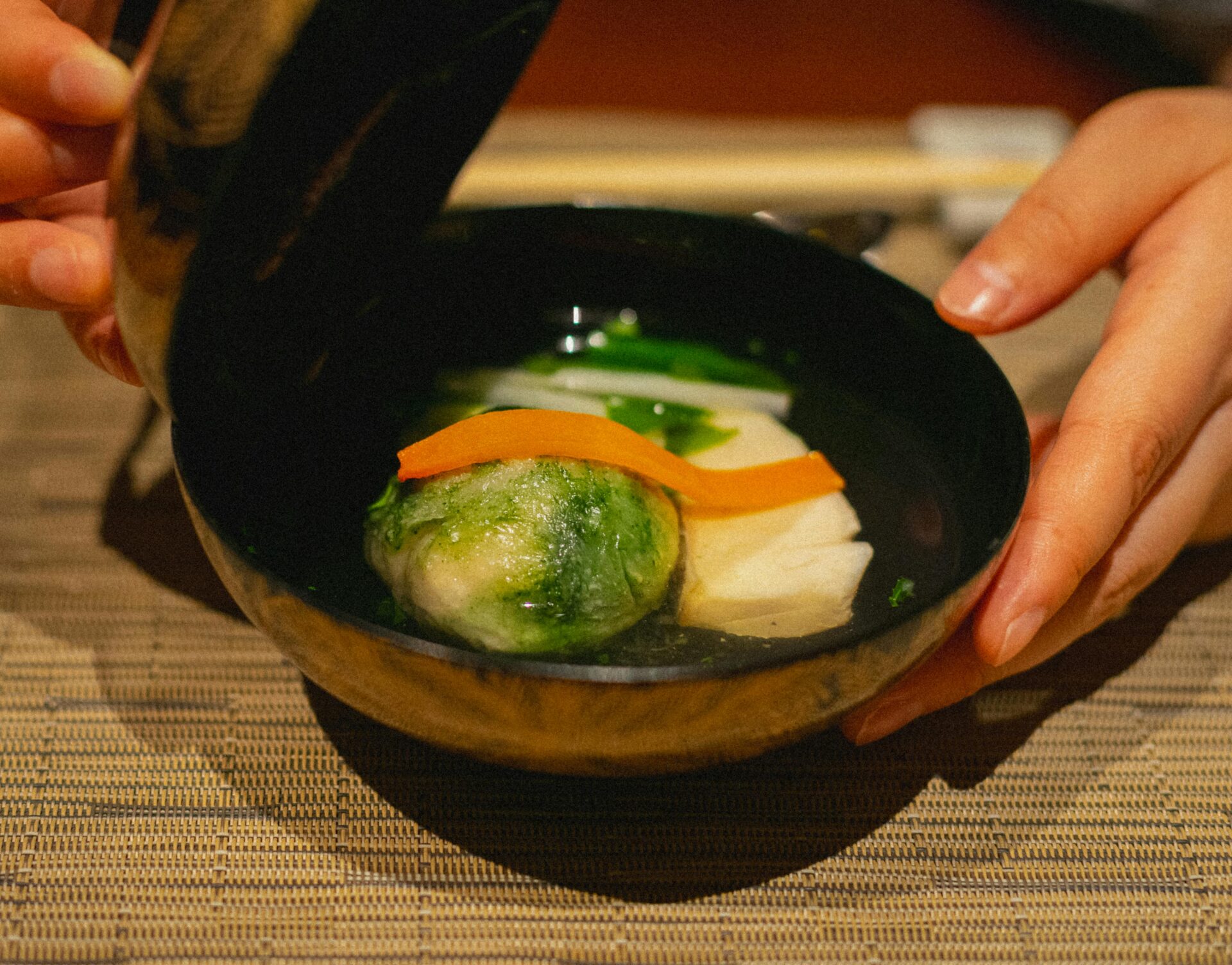
Soups and broths are another avenue where maitake excel. Their depth of flavor enriches vegetable stocks, miso soups, and ramen bowls without needing lengthy cooking times. As they simmer, they release subtle savory notes that blend seamlessly with aromatics like ginger, garlic, shallots, and herbs. When served as part of a broth-based dish, maitake offer both textural interest and nourishing warmth, adding a sense of comfort that feels restorative and familiar.
In stir-fries, maitake provide a harmonious balance between tender and crisp, absorbing the flavors of sauces while introducing their own earthy richness. Their frilled surfaces pick up bits of garlic, chili, or ginger, making each bite slightly different from the last.
Flavor Pairings That Bring Out Their Best
Maitake mushrooms integrate elegantly into a wide array of culinary traditions because of their ability to complement both delicate and bold flavors. They pair naturally with ingredients that echo their earthy undertones, such as roasted root vegetables, aged cheeses, caramelized onions, and hearty grains like farro or barley. These combinations highlight the mushroom’s rustic elements while creating a sense of warmth and familiarity.
For brighter dishes, maitake respond well to acidity. Lemon juice, rice vinegar, and yuzu lift their deep flavors, making the overall dish feel fresher and lighter. The balance between bright acidity and earthy richness is particularly effective in salads, grain bowls, and simple sautés, where each ingredient needs to shine without overshadowing the others.
Herbs also play an important role in bringing out maitake’s potential. Thyme and rosemary deepen their woodsy character, while parsley, cilantro, and chives add subtle freshness. Tarragon introduces a faint anise note that contrasts intriguingly with the mushroom’s natural flavor, offering a more sophisticated profile ideal for French-inspired dishes.
For richer preparations, fats become essential. Butter enhances their nuttiness, cream creates luxurious textures when folded into pasta or risotto, and olive oil adds smooth, peppery notes that work well in Mediterranean preparations. Even small amounts of sesame oil can add warmth and aromatic depth, especially when combined with soy sauce or miso.
Bringing Out the Best in Everyday Cooking
Incorporating maitake mushrooms into daily meals doesn’t require elaborate recipes or restaurant techniques. Their naturally rich flavor means they can elevate even simple dishes. Adding sautéed maitake to scrambled eggs transforms breakfast into something hearty and deeply satisfying. Stirring roasted maitake into a grain bowl makes lunch more dynamic and filling. And using them as a topping for homemade pizza or flatbreads creates an unexpected gourmet twist that never feels forced.
For cooks exploring plant-forward cuisine, maitake offer a particularly rewarding ingredient. They satisfy cravings for savory depth without relying on processed flavors. Their meaty bite provides a sense of fullness that supports balanced, satisfying meals.

A Mushroom Worth Returning To
Cooking with maitake mushrooms is an invitation to explore flavor with equal parts curiosity and comfort. Their nutritional benefits make them a welcome addition to a health-conscious lifestyle, but it’s their unmatched culinary personality that wins people over. They’re the kind of ingredient that sparks imagination, turning simple meals into memorable experiences through aroma, texture, and savoriness.
Whether roasted until crispy, sautéed until golden, simmered into broths, or grilled to smoky perfection, maitake offer endless opportunities for creativity in the kitchen. Their ability to pair with a wide range of ingredients makes them accessible for cooks of all skill levels. And every time you return to them, they reveal something new—another layer of flavor, another technique to try, another dish transformed by their presence.
In a world full of fascinating ingredients, maitake mushrooms stand out as a rare combination of nutrition, versatility, and pure culinary joy.