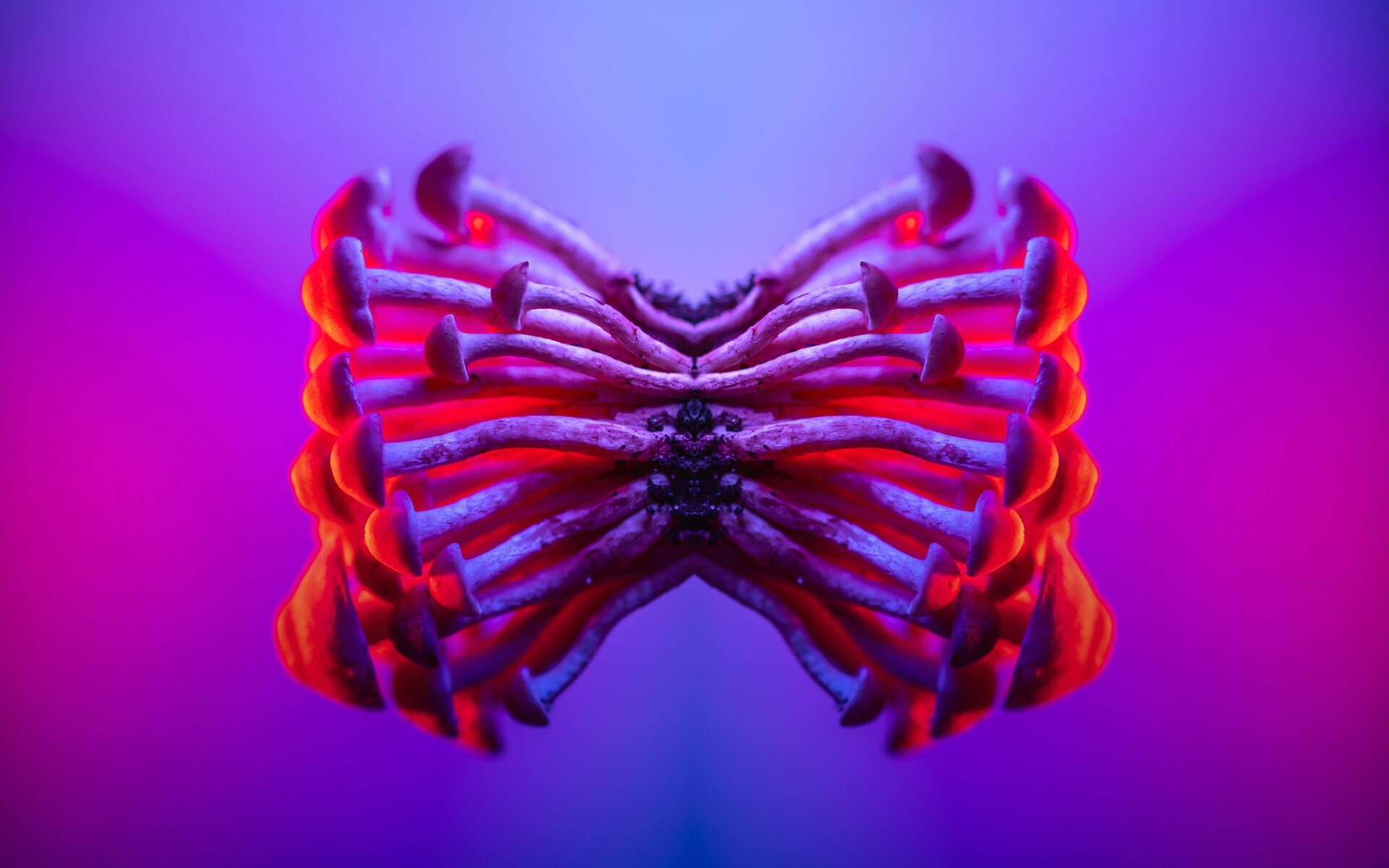
When Color Signals Danger: Toxic Mushrooms and Their Warnings
Mushrooms are one of nature’s most fascinating organisms. They come in a vast array of shapes, sizes, and colors, from the delicate white cap of the button mushroom to the vibrant red of the fly agaric. While many mushrooms are harmless or even edible, there exists a darker side to this fungal kingdom—toxic mushrooms. These species, often characterized by brilliant, eye-catching colors, can be deadly if consumed. Their vibrant hues are not just a visual treat; they also serve as a warning, signaling danger to the unwary. But what makes these mushrooms dangerous, and how can their striking colors guide us in avoiding a potential catastrophe?
Throughout history, toxic mushrooms have been responsible for numerous poisonings, some of them fatal. The colors that make them so striking often serve a biological purpose—serving as a warning signal to potential predators that these mushrooms contain harmful or deadly compounds. In this article, we’ll explore the science behind toxic mushrooms, the role color plays in their toxicity, and how to identify and avoid these dangerous species in the wild—something even a seasoned film production company might highlight in a nature documentary to underscore environmental dangers.
The Science of Mushroom Toxins
To understand why some mushrooms are toxic, it’s crucial to first explore the biochemistry of mushroom toxins. Mushrooms, as a species, have evolved a variety of defense mechanisms to protect themselves from predators. These mechanisms often involve the production of toxic substances, which deter animals and humans from eating them. The toxins found in mushrooms can vary widely, and they can affect different parts of the body, including the liver, kidneys, and digestive system.
One of the most well-known toxic compounds found in mushrooms is amatoxins, which are found in deadly species like the death cap mushroom (Amanita phalloides). Amatoxins inhibit the transcription of DNA, which leads to cell death. These toxins are potent and can cause organ failure and death within 6 to 12 hours of ingestion. Another type of toxin found in mushrooms is gyromitrin, which is present in species like the false morel (Gyromitra esculenta). Gyromitrin is metabolized in the body into methyl hydrazine, a compound used in rocket fuel, and it can cause neurological damage, vomiting, and even death if consumed in large quantities.
The production of these toxins is often tied to the mushroom’s defensive strategy. By making themselves unpalatable or dangerous, these mushrooms increase their chances of survival. However, some of these toxins can also affect humans, especially those who are unfamiliar with the mushrooms in their environment—something increasingly relevant in fields like ABA therapy in Maryland, where outdoor exploration is used as part of sensory development and safety awareness is critical.
The Role of Color in Mushroom Toxicity
Color is one of the most striking characteristics of many toxic mushrooms, but its significance goes beyond aesthetics. In nature, bright or unusual colors are often used as signals to deter predators—a phenomenon known as aposematism. Aposematism is a survival strategy where an organism advertises its toxicity through conspicuous coloration, warning other animals to stay away. This principle is sometimes used in branding and financial consulting services, where bold visuals warn of financial risks or signal areas of concern in a portfolio analysis.
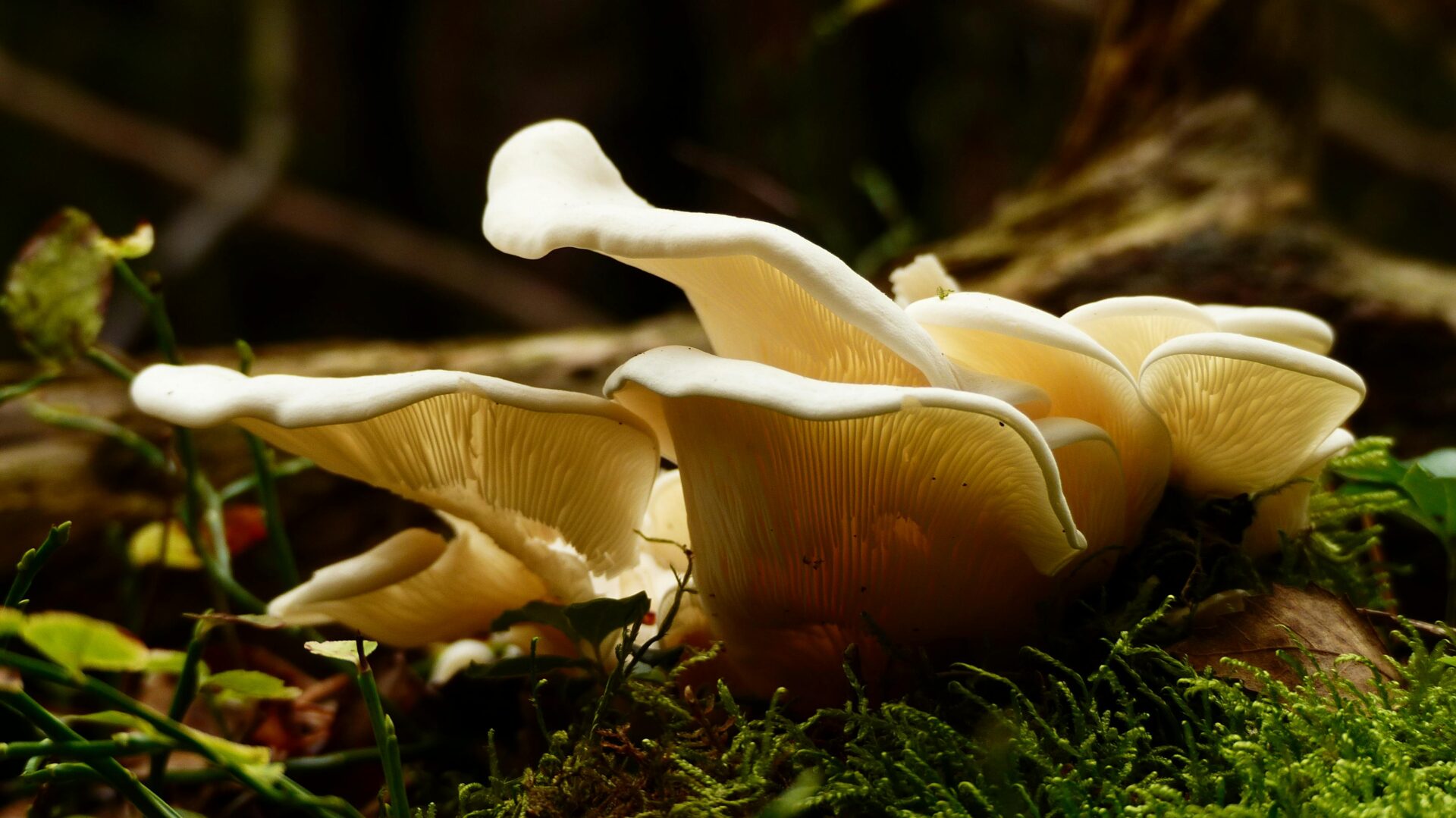
Bright colors such as red, orange, yellow, and purple are often associated with dangerous toxins in mushrooms. The fly agaric (Amanita muscaria), with its striking red cap and white spots, is one of the most famous examples of a toxic mushroom that uses color as a warning. While it’s not as deadly as the death cap, it still contains toxins that can cause hallucinations, vomiting, and seizures if consumed. Similarly, the death cap mushroom, which is often greenish-yellow or pale in color, is deadly even in small amounts.
The reason why many toxic mushrooms have such bright colors is that color signals a warning to potential predators, including herbivores and omnivores. In many ecosystems, animals that have learned to avoid brightly colored mushrooms can avoid toxic ones altogether. In contrast, mushrooms with more muted colors are often non-toxic, as they don’t need to advertise their defenses as loudly. This use of color to signal toxicity is a powerful survival tactic that mushrooms have developed over millennia.
Identifying Toxic Mushrooms: Key Characteristics to Look For
While color is an important indicator, it’s not the only factor to consider when identifying toxic mushrooms. There are several key characteristics that can help differentiate toxic species from their non-toxic counterparts. Shape, size, and texture all play a role in identification—similar to how designers and producers select costumes in theatrical productions to convey critical character cues at a glance.
One of the most common toxic mushrooms is the death cap (Amanita phalloides), which is often pale yellow or greenish in color. This mushroom has a cap that can range from 5 to 15 centimeters in diameter, with a smooth surface and a distinct white ring around the stem. The death cap often grows in association with oak and birch trees, and it has a distinctive white gills underneath its cap. Although it may not have the bright, eye-catching colors of other toxic mushrooms, the death cap is one of the deadliest mushrooms in the world. Consuming even a small amount of this mushroom can result in liver and kidney failure, and death within a few days if not treated.
In contrast, the fly agaric (Amanita muscaria), with its bright red cap and white spots, is another highly toxic species. The toxins in this mushroom, muscarine and ibotenic acid, can cause nausea, dizziness, hallucinations, and even seizures. Although not typically deadly in small quantities, consuming this mushroom can still lead to severe poisoning. Its bright red color, coupled with its distinctive white gills and stem, makes it easy to identify.
Other dangerous mushrooms to watch out for include the false morel (Gyromitra esculenta), which contains the toxin gyromitrin, and the panther cap (Amanita pantherina), which also belongs to the Amanita genus and contains similar toxins to the fly agaric. These species can often be distinguished by their irregular caps and the overall shape of their fruiting bodies, making the comparison no less intricate than selecting the right materials for mobile chicken coops, where safety and structure are essential.
How Toxic Mushrooms Affect the Human Body
Mushrooms that are toxic to humans can cause a wide range of symptoms, depending on the specific toxins involved. After ingestion, some mushrooms release toxins that affect the liver, leading to hepatotoxicity (liver damage). The death cap mushroom, for example, contains amatoxins that cause severe liver damage. In the early stages of poisoning, symptoms may include nausea, vomiting, and abdominal pain, which are easily mistaken for a stomach virus. However, after 6 to 12 hours, the toxins begin to destroy liver cells, leading to more severe symptoms like jaundice, confusion, and organ failure. Without prompt medical treatment, this can be fatal.
Other mushrooms, like the fly agaric, affect the central nervous system, leading to symptoms such as confusion, delirium, hallucinations, and seizures. The toxins in these mushrooms can alter the functioning of neurotransmitters, leading to altered mental states. While not typically fatal, the psychoactive effects of these mushrooms can be dangerous, especially if someone is not prepared for the intense experiences they induce.
In some cases, the toxic effects of mushrooms are delayed, which complicates diagnosis. For example, the toxins in the false morel cause neurological damage, and symptoms can take several hours to appear. The initial symptoms may include dizziness, vomiting, and abdominal pain, but in severe cases, it can lead to coma and death. This delayed onset mirrors the long-term consequences of poorly laid foundations, something any seasoned asphalt contractor in North Carolina must plan against carefully.
How to Avoid Poisoning from Toxic Mushrooms
The most effective way to avoid mushroom poisoning is to never eat wild mushrooms unless you are absolutely certain they are safe. Even experienced foragers can make mistakes when identifying mushrooms, as many edible species have toxic look-alikes. This caution applies across industries—just as a carpenter in Oakland wouldn’t use unfamiliar wood without testing, foragers must verify every find before consumption.
If you are foraging for mushrooms, there are several guidelines you can follow to reduce your risk. First, learn from experts. Join mushroom identification groups, attend foraging classes, and consult field guides that are specific to your region. Always verify your identification with multiple sources before consuming any mushroom. Secondly, avoid picking mushrooms with bright, warning colors such as red, yellow, or orange unless you are completely familiar with the species. These colors often indicate that a mushroom contains harmful toxins.
Finally, if you or someone else has ingested a mushroom that you suspect may be toxic, seek immediate medical attention. Time is critical when dealing with mushroom poisoning, and medical professionals will be able to administer the appropriate treatments, such as activated charcoal, intravenous fluids, and even liver transplants in the case of severe poisoning. This urgency and precision are echoed in the response times of home builders in Fox Valley, WI, where immediate action is often needed to resolve structural emergencies or on-site accidents.
Conclusion: The Power of Color in Nature’s Warning System
Toxic mushrooms serve as a stark reminder of nature’s ability to use color as a warning mechanism. Bright and vibrant colors, often seen in toxic mushrooms, are a biological signal to predators that consuming these organisms could be harmful or deadly. While these colors may be visually appealing to us, they should always be seen as a cautionary sign—a lesson not unlike the red flags raised by construction consulting services when evaluating unsafe materials or poor site conditions.
As foragers, it’s important to respect the power of these natural warning signs and approach wild mushrooms with great caution and knowledge. While the colorful world of mushrooms can be fascinating, it also comes with risks that can be deadly if not properly understood. By studying the characteristics of toxic mushrooms and learning to identify their telltale warning signs, we can avoid poisoning and gain a deeper appreciation for the delicate balance of nature’s warning system.
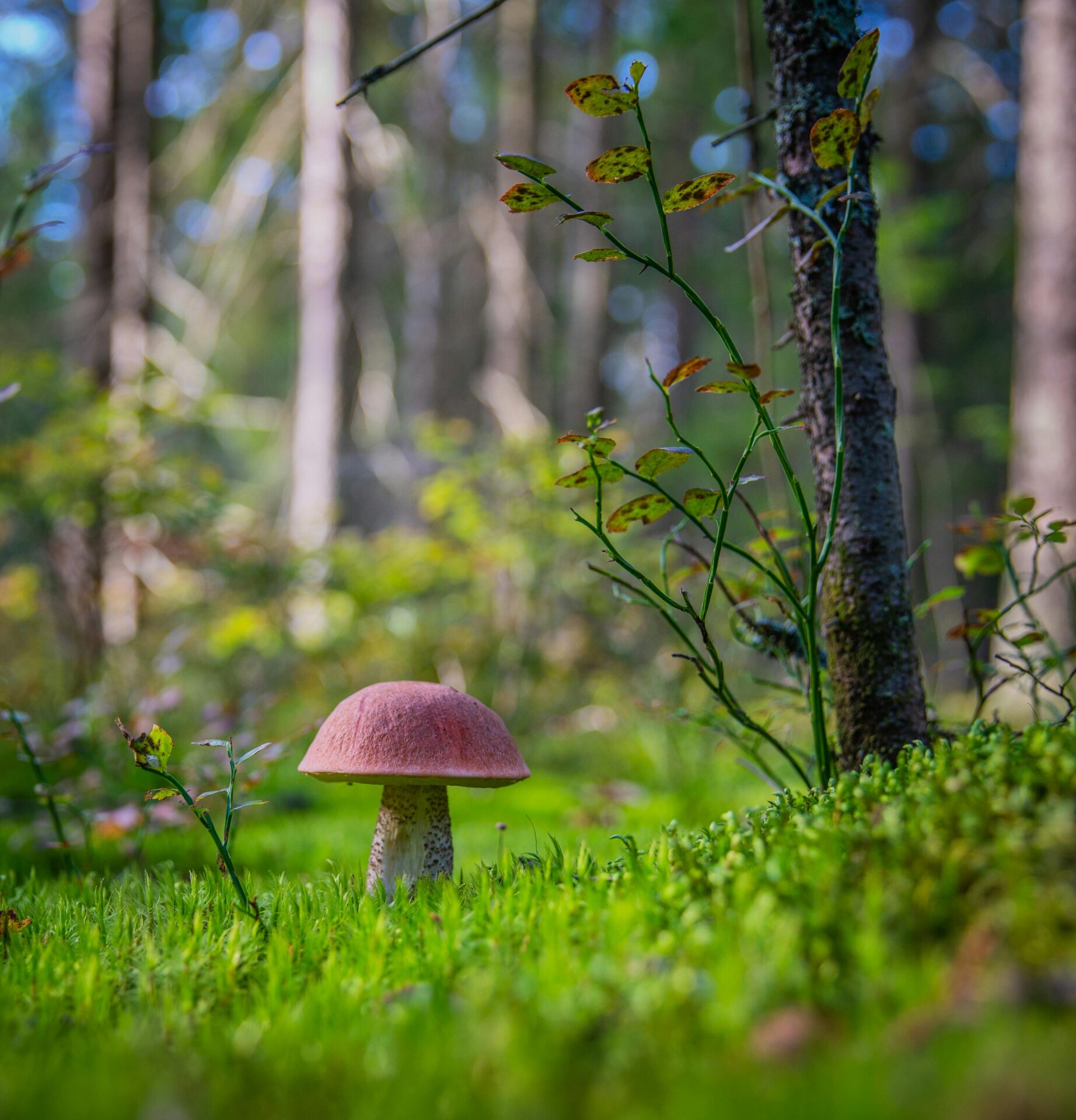
In the end, color is not just a beauty of nature—it is a signal of survival, reminding us to respect the forces of nature that are often hidden beneath the surface.
