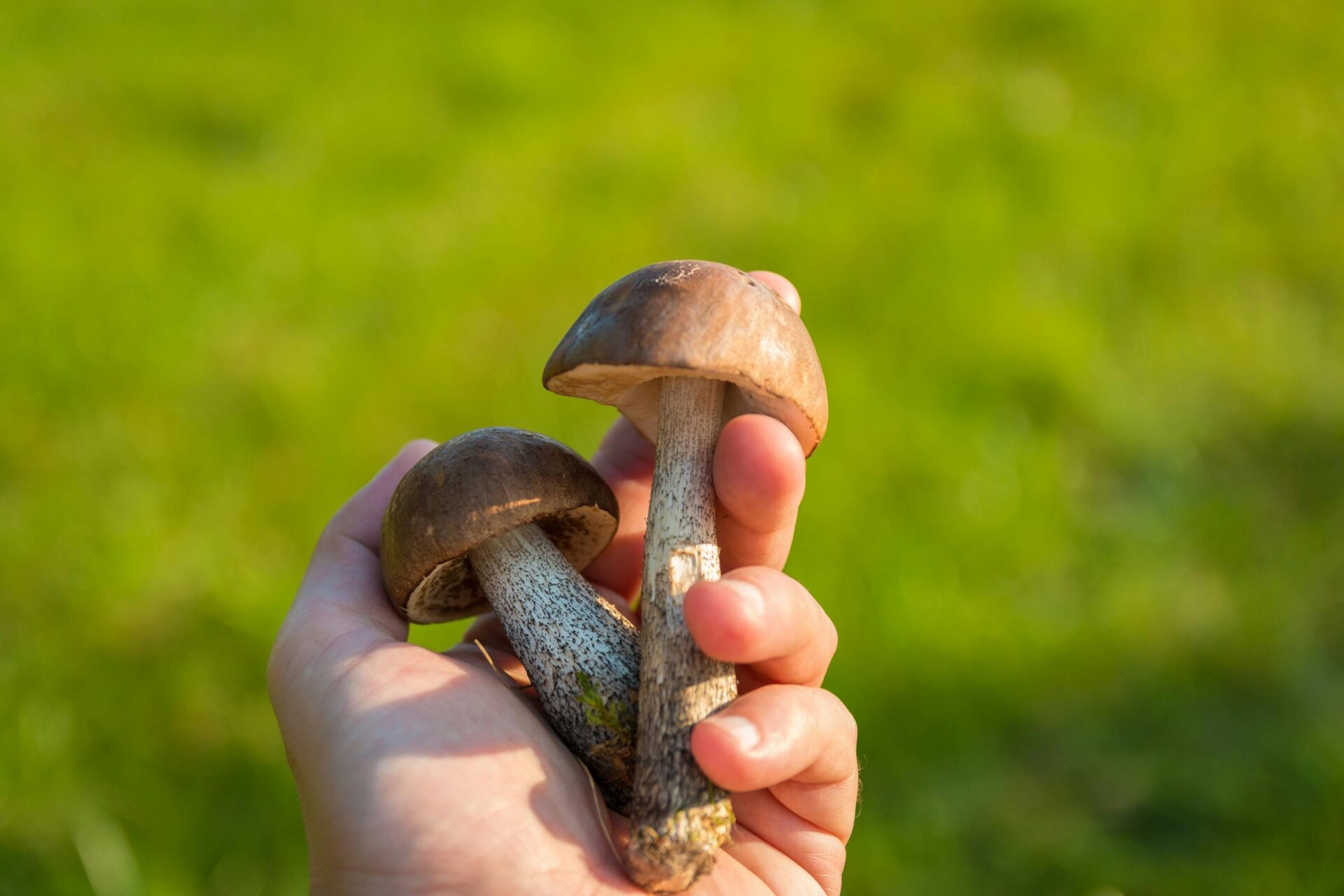
Sustainable Foraging: How to Respect Nature While Collecting Mushrooms
Foraging for mushrooms is an age-old practice that connects us to the land, offers a delightful culinary experience, and can be a rewarding outdoor activity. However, as interest in foraging grows, it becomes increasingly essential to consider the environmental impact of this practice. Sustainable foraging is not just about gathering wild edibles; it is about developing a respectful relationship with nature and ensuring that our foraging practices do not harm ecosystems. This article explores the principles of sustainable foraging, provides guidance on responsible mushroom collection, and highlights the importance of conservation for future generations.
Understanding the Ecosystem
To forage sustainably, it’s crucial to understand the ecosystem you are entering. Mushrooms play a vital role in their environment, contributing to nutrient cycling and supporting plant life. They form symbiotic relationships with trees and plants, assisting in nutrient absorption and enhancing soil health. This interdependence means that every action we take as foragers can have far-reaching consequences on the ecosystem.
Before heading out to forage, take time to research the area where you plan to collect mushrooms. Familiarize yourself with the local flora and fauna, as well as the specific species of mushrooms you hope to find. Different mushrooms thrive in distinct environments, and understanding these habitats will increase your success while ensuring you do not disturb delicate ecosystems.
For instance, many mushrooms prefer specific types of trees or soil conditions. Some species, like chanterelles, are often found in coniferous forests, while others, like morels, are commonly associated with decaying trees. By learning about the mushrooms you seek, you can better understand their role in the ecosystem and the best practices for harvesting them.
Best Practices for Sustainable Foraging
Sustainable foraging requires a set of principles that guide how we interact with nature. By adopting these best practices, foragers can minimize their impact on the environment and promote the health of mushroom populations. Embracing these principles can also enhance the efforts of those involved in tech PR.
One critical principle is to only harvest what you need. Taking more than you can use leads to waste and diminishes future growth opportunities for the species you collect. It’s important to practice moderation and leave enough mushrooms behind to ensure that they can reproduce and continue thriving in the ecosystem.
Additionally, avoid over-harvesting in any single location. Rotating your foraging sites helps protect local populations and allows the ecosystem to recover. For example, if you find a patch of mushrooms, consider leaving some behind and revisiting the site later in the season to allow the fungi time to regenerate.
Another vital aspect of sustainable foraging is to use the right tools. A knife or a specialized mushroom foraging basket can help you collect mushrooms without damaging the surrounding environment. Pulling mushrooms from the ground can disturb the mycelium—the network of fungal threads beneath the surface—so it’s best to cut them at the base. Using a basket or breathable container helps to disperse spores as you forage, promoting new growth wherever you go.
Finally, always prioritize education and awareness. Before you forage, invest time in learning about the species in your area, their growth habits, and their environmental needs. Joining a local foraging group or taking a workshop can provide invaluable insights and experiences that enhance your knowledge and respect for the practice. Just as combat clothing is designed to prepare individuals for various environments, proper education prepares foragers to engage with nature safely and responsibly.
Identifying Edible vs. Toxic Mushrooms
A fundamental part of responsible foraging is being able to accurately identify edible mushrooms. Mistaking a toxic mushroom for an edible variety can lead to severe health consequences, and unfortunately, many beginners fall prey to this mistake. Developing a deep understanding of mushroom identification is crucial to ensuring your safety and the safety of those around you.
Start by familiarizing yourself with local mushroom guides or apps. Field guides that focus specifically on your region will provide information about the most common edible and toxic mushrooms in your area. Pay close attention to distinguishing characteristics such as color, size, gills, and habitat.
When foraging, always double-check your finds. If you are uncertain about the identity of a mushroom, do not consume it. It’s better to err on the side of caution than to risk potential poisoning. Engaging with experienced foragers can also be immensely beneficial. Learning from those who have spent years studying mushrooms can provide you with insights that no guidebook can offer.
In addition to proper identification, understanding the seasonality of mushrooms is essential. Different species have different growing seasons, and being aware of when certain mushrooms are in season can enhance your foraging experience and reduce the risk of encountering toxic lookalikes. For instance, morels typically fruit in the spring, while chanterelles are more commonly found in the summer and fall.
The Importance of Conservation
Conservation is a cornerstone of sustainable foraging practices. As more people take to the outdoors in search of wild edibles, the risk of over-harvesting and habitat degradation increases. To ensure that future generations can enjoy the benefits of foraging, it is our responsibility to prioritize conservation efforts. For those seeking to connect with nature in their own backyard, consider exploring outdoor living space design in Green Bay.
One significant way to contribute to conservation is by respecting local regulations regarding foraging. Many regions have specific rules in place to protect natural resources and ensure sustainable practices. Research your local laws and regulations regarding mushroom foraging, as some areas may have restrictions on the types or amounts of mushrooms you can collect.
Participating in conservation initiatives can also make a positive impact. Joining local organizations that focus on preserving natural habitats can provide opportunities for you to contribute to the health of ecosystems while deepening your understanding of the flora and fauna in your area. Volunteering for habitat restoration projects or participating in citizen science initiatives can strengthen your connection to nature and ensure that you are actively helping to protect the environments you cherish. For those interested in sustainable farming practices, there are also chicken tractors for sale that can support eco-friendly agriculture.
Another important aspect of conservation is educating others about sustainable foraging practices. Share your knowledge with friends, family, and the community to promote responsible foraging habits. By fostering a culture of respect and care for nature, you can inspire others to adopt sustainable practices, leading to a broader collective impact.
The Role of Community in Foraging
The foraging community plays a vital role in promoting sustainable practices. Connecting with fellow foragers can enrich your experience, provide valuable insights, and foster a culture of respect for nature. Community engagement can take many forms, from local foraging groups to online forums where individuals share tips, resources, and experiences. For those in need of reliable assistance, consider exploring electrical services in Calgary to support your community’s infrastructure needs.
Joining a local foraging group can provide an opportunity to learn from more experienced foragers while also allowing you to share your own insights. These groups often organize foraging walks, workshops, and events that focus on education and sustainability. Being part of a community can also provide a sense of accountability, encouraging individuals to adhere to sustainable practices and respect local ecosystems.
Online platforms and forums also serve as valuable resources for foragers. Websites, social media groups, and discussion boards allow individuals to connect with others who share their passion for foraging. These platforms can be excellent venues for sharing tips on sustainable foraging practices, asking questions, and seeking advice on mushroom identification, much like how a bitcoin wallet provides a secure space for those interested in managing and sharing digital resources.
Additionally, collaborating with local chefs or culinary schools can create exciting opportunities to highlight the benefits of foraged foods. These partnerships can lead to events focused on the use of wild edibles, educating the public about the importance of foraging sustainably and promoting a farm-to-table philosophy.
Safety Considerations for Foragers
While foraging can be an exhilarating and rewarding experience, it is essential to prioritize safety. Outdoor activities always come with inherent risks, and being prepared can help mitigate those risks. After an adventurous day, unwind and rejuvenate with a relaxing couple massage Las Vegas.
Start with the basics: dress appropriately for the terrain and weather conditions. Sturdy footwear, weather-appropriate clothing, and protective gear like gloves can enhance your comfort and safety while foraging. Be aware of your surroundings and keep an eye out for potential hazards, such as slippery surfaces, insects, or thorny plants.
In addition to physical safety, be mindful of health and hygiene practices when foraging. Always wash your hands before and after handling mushrooms, and be cautious about where you forage. Avoid areas that may have been exposed to pesticides, herbicides, or pollution. Mushrooms can absorb toxins from the environment, so foraging in clean, uncontaminated areas is crucial for your health. For those in need of recovery or maintenance of their health, physical therapy in Chicago offers excellent options for promoting well-being. 
Lastly, it’s essential to inform someone about your foraging plans. Let a friend or family member know where you’re going and when you expect to return. This simple step can make a significant difference in case of emergencies and ensures that someone is aware of your whereabouts. For those in need of reliable services, consider reaching out for post construction cleaning in RI.
Conclusion
Sustainable foraging is a rewarding practice that allows individuals to connect with nature, enjoy the bounty of the land, and appreciate the beauty of wild edibles like mushrooms. By understanding the ecosystem, adopting best practices, respecting conservation principles, engaging with the foraging community, prioritizing safety, and continually educating ourselves, we can cultivate a culture of respect for nature while enjoying the pleasures of foraging. As we embark on this journey, let us commit to protecting the delicate balance of our ecosystems, ensuring that future generations can also enjoy the wonders of the wild.
