Galapagos Wildlife Adventures: Discovering the World’s Most Unique Species Up Close
The Galapagos Islands are renowned for their unique ecosystems and remarkable wildlife, drawing nature enthusiasts from around the world. With species found nowhere else on Earth, these volcanic islands offer an up-close experience with animals that have adapted to their isolated environment over centuries. From playful sea lions to giant tortoises, the Galapagos presents countless opportunities for unforgettable wildlife encounters. Here’s a closer look at some of the island’s iconic creatures and how to experience them.
The Iconic Galapagos Tortoises
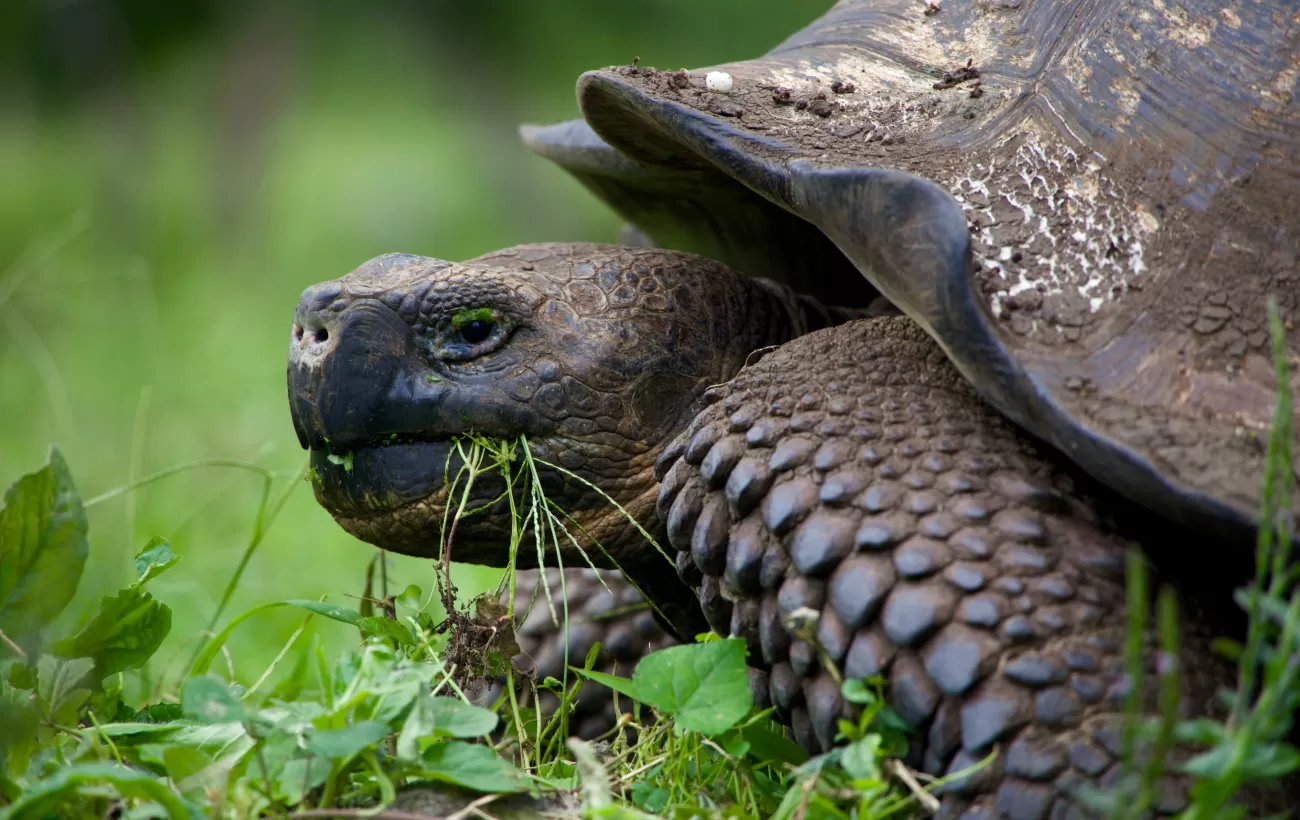
The Galapagos giant tortoise is perhaps the most famous resident of the islands. These gentle giants can live over a century and weigh up to 900 pounds. There are several subspecies of Galapagos tortoises, each adapted to their specific island, with unique shell shapes and sizes. Visitors to the Charles Darwin Research Station on Santa Cruz Island can learn about conservation efforts that are protecting these tortoises from threats like habitat loss and invasive species.
In the highlands of Santa Cruz, tortoises roam freely in lush greenery, and visitors have the chance to observe them in their natural habitat which presents a great part of some Galapagos luxury tours. This encounter is as awe-inspiring as it is educational, showcasing the incredible adaptations that allow these creatures to thrive on the islands. The Galapagos National Park has implemented conservation measures to ensure the continued survival of these tortoises, making each encounter a reminder of the resilience of these unique animals.

Playful Sea Lions and Their Coastal Habitats
Another beloved species on the Galapagos Islands is the Galapagos sea lion. These sociable animals are often seen lounging on beaches or diving gracefully through the water. Sea lions are known for their curiosity and playfulness, and they are not shy around people. Visitors can snorkel alongside them at popular spots like Gardner Bay on Española Island, where they may find themselves in a friendly underwater “dance” with these charming creatures.
The experience of swimming with sea lions is unlike any other, as these creatures interact with people in an incredibly engaging way. Sea lions are known to make eye contact and even mimic the movements of snorkelers. Watching these agile animals dart and twist through the water is a true highlight for any visitor. Such experiences encourage a deep appreciation for marine life and emphasize the importance of preserving the pristine habitats of the Galapagos coastlines.
Remarkable Birdlife: Blue-Footed Boobies, Albatrosses, and More
The bird species of the Galapagos Islands are no less impressive, with several unique to the archipelago. One of the most popular is the blue-footed booby, whose distinctive bright blue feet are used to attract mates in a humorous courtship dance. You can see blue-footed boobies on several islands, including North Seymour and Española. Another remarkable bird to watch for is the waved albatross, which nests on Española. With a wingspan of up to eight feet, the albatross is a sight to behold, especially as it glides majestically over the ocean.
The diversity of bird species on the islands is astonishing, and each encounter brings its own sense of wonder. Birdwatching in the Galapagos offers a chance to see rare species up close, from the elegant frigatebird with its striking red chest to the small, elusive Galapagos penguin. Each species plays a role in maintaining the balance of the ecosystem, making the Galapagos a premier destination for both amateur and seasoned birdwatchers.
A visit to the Galapagos Islands is truly a journey into the heart of nature’s creativity. From ancient tortoises to playful sea lions and rare birds, each encounter reveals the wonders of evolution and adaptation. For any wildlife enthusiast, the Galapagos offer an unparalleled opportunity to witness some of the world’s most unique species in their untouched habitats.
