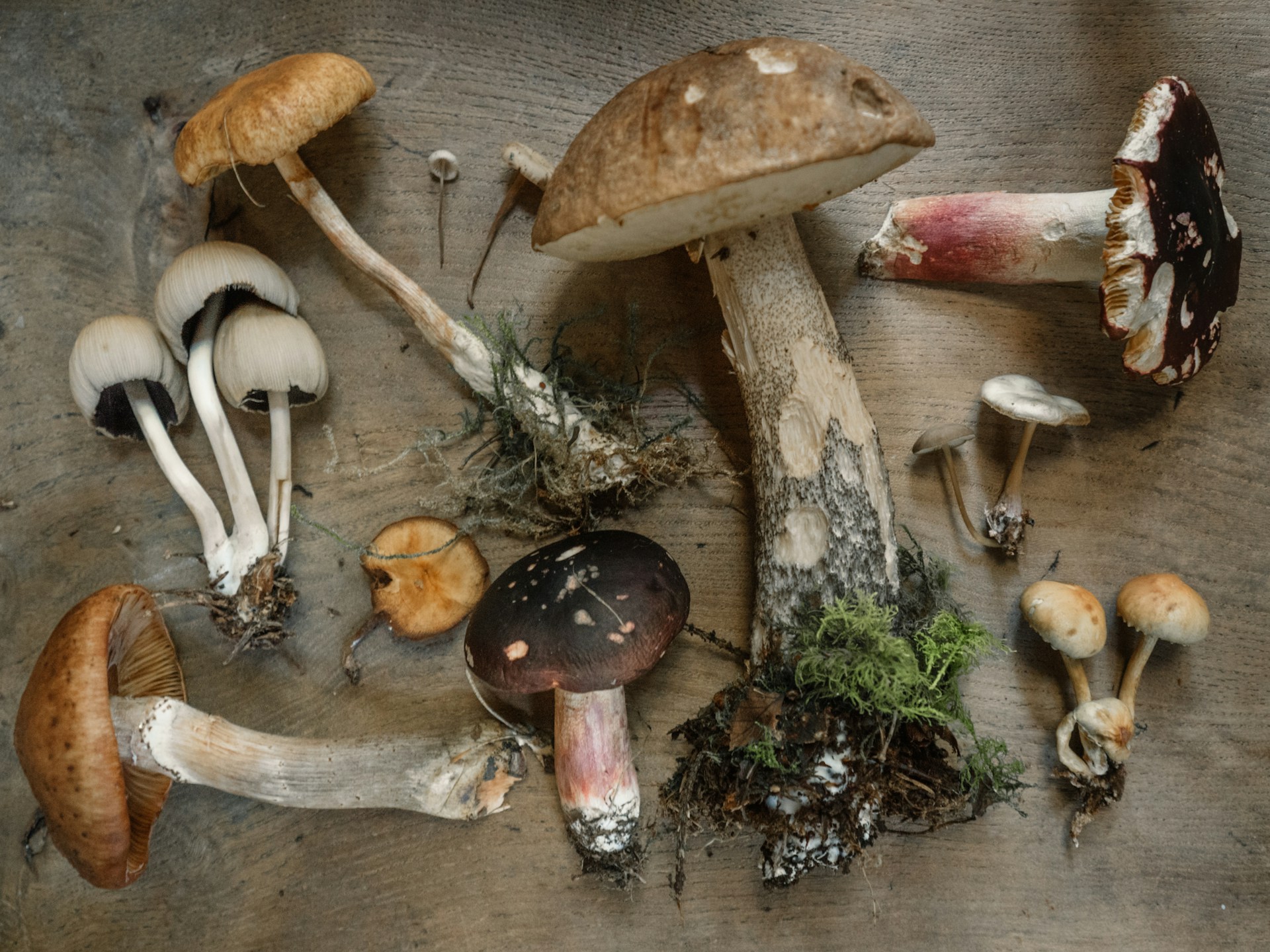
Fungi and Climate Change: How Mushrooms Are Adapting to a Warming World
Fungi, including the diverse and fascinating group known as mushrooms, play a critical role in our ecosystems. They are the decomposers of the natural world, breaking down organic matter and returning nutrients to the soil. However, like many organisms on our planet, fungi are facing unprecedented challenges due to climate change. This article delves into how mushrooms are adapting to a warming world and the implications of these changes for ecosystems and human societies.
The Importance of Fungi in Ecosystems
Fungi are fundamental to the health of our ecosystems. They decompose dead plant and animal matter, recycling nutrients that are essential for plant growth. Without fungi, ecosystems would be overwhelmed with organic debris, and the nutrient cycles that sustain plant and animal life would be severely disrupted. Mushrooms, the fruiting bodies of fungi, are particularly visible and play an essential role in these processes.
Moreover, fungi form symbiotic relationships with plants through mycorrhizae, which are networks of fungal filaments that associate with plant roots. These relationships are vital for plant health, as they enhance water and nutrient uptake. In forests, mycorrhizal networks can connect entire communities of trees, allowing them to share resources and communicate through chemical signals.
The Impact of Climate Change on Fungal Habitats
Climate change is altering the habitats where fungi thrive. Increases in temperature, changes in precipitation patterns, and extreme weather events are all impacting fungal communities. Many fungi are highly sensitive to changes in their environment, and even slight shifts in temperature and moisture can affect their growth and reproductive cycles.
As the climate warms, some fungal species are shifting their ranges to higher altitudes and latitudes, where conditions are more favorable. However, this migration is not always possible, especially for fungi that are closely associated with specific plant species or ecosystems that cannot move. The loss of suitable habitats can lead to a decline in fungal biodiversity, which has cascading effects on ecosystem health and stability.
Adaptations of Fungi to a Warming Climate
Despite the challenges posed by climate change, some fungi are showing remarkable adaptability. Mushrooms have evolved a variety of strategies to cope with changing conditions. These adaptations can be physiological, behavioral, or ecological.
Physiological Adaptations
One of the primary ways fungi adapt to warming temperatures is through physiological changes. Some fungi can alter their metabolism to tolerate higher temperatures. For example, certain species can produce heat-shock proteins that help protect their cellular structures from thermal damage. These proteins enable the fungi to survive and function in temperatures that would otherwise be lethal. Just as church architects design buildings to withstand various environmental conditions, fungi have their own strategies to adapt and thrive in changing climates.
Additionally, fungi can adjust their reproductive strategies in response to environmental changes. Some species can produce spores that are more resistant to heat and desiccation, ensuring that they can survive and germinate in less favorable conditions. These adaptations are crucial for maintaining fungal populations in the face of climate change. Just as fungi adapt to survive, businesses must also adapt by sourcing products like wholesale hats that cater to changing consumer needs and trends.
Behavioral Adaptations
Fungi do not have behavior in the traditional sense, but they can exhibit changes in growth patterns in response to environmental stimuli. For example, some mushrooms can delay fruiting until conditions are more favorable, ensuring that their spores are released during periods of optimal moisture and temperature.
Moreover, fungi can form more extensive mycelial networks to access water and nutrients in drier conditions. These networks can span vast areas, allowing fungi to tap into resources that are distributed unevenly across the landscape. This ability to dynamically adjust growth and resource allocation is a key survival strategy for fungi in changing climates. Similarly, just as an airsoft store provides a range of equipment to meet various needs, fungi adapt their growth strategies to ensure they can thrive despite environmental changes.
Ecological Adaptations
Fungi are also adapting by shifting their ecological roles within ecosystems. Some species are becoming more competitive in environments where they previously played a secondary role. For instance, certain fungi that were once confined to decaying wood in temperate forests are now found decomposing leaf litter as well, expanding their ecological niche. Similarly, just as fungi adapt to new roles, finding specialized medical care like an ENT in Wausau can help address specific health needs more effectively.
In agricultural settings, fungi are adapting to changes in crop patterns and soil conditions. As farmers alter their practices in response to climate change, the fungi associated with crops and soils are also evolving. This dynamic interaction between fungi and agriculture has significant implications for food security and soil health.
The Role of Mushrooms in Carbon Sequestration
One of the most critical functions of fungi in the context of climate change is their role in carbon sequestration. Fungi, particularly mycorrhizal fungi, contribute significantly to the storage of carbon in soils. Through their symbiotic relationships with plants, fungi enhance the ability of plants to sequester carbon via photosynthesis. This process is as essential to the environment as finding a reliable mortgage company in Raleigh NC is to securing financial stability for a home.
When fungi decompose organic matter, they break it down into simpler compounds, some of which are stable and remain in the soil for long periods. This process locks carbon away in the soil, reducing the amount of carbon dioxide in the atmosphere. Preserving and enhancing fungal populations is, therefore, a crucial strategy for mitigating climate change. Similarly, just as fungal activity contributes to environmental health, hiring a general contractor in San Mateo ensures that construction projects are managed efficiently and sustainably, which can also have long-term benefits for the community and environment.
However, climate change itself threatens these processes. Warmer temperatures and altered precipitation patterns can disrupt fungal activity and reduce their ability to sequester carbon. Research is ongoing to understand how different fungal species contribute to carbon cycling and how they can be supported in a changing climate.
The Human-Fungi Relationship: A Changing Dynamic
Human activities are both influencing and being influenced by changes in fungal communities. Agriculture, forestry, and urban development all impact fungal habitats and biodiversity. Conversely, fungi are adapting to these human-induced changes in various ways.
Agriculture and Food Production
In agriculture, fungi are both allies and adversaries. Beneficial fungi, such as mycorrhizal fungi, support crop growth by enhancing nutrient uptake. Conversely, pathogenic fungi can cause significant crop losses, posing challenges for food security. Climate change is exacerbating these dynamics by altering the prevalence and distribution of fungal pathogens.
Farmers are increasingly turning to fungal-based biofertilizers and biopesticides to enhance soil health and combat pests. These products harness the natural abilities of fungi to promote plant growth and suppress diseases. As climate change continues to impact traditional agricultural practices, the use of fungi in sustainable farming is likely to become more important.
Medicine and Biotechnology
Fungi have long been a source of important pharmaceuticals, including antibiotics like penicillin. Climate change is driving the search for new fungal species and compounds that can be used in medicine and biotechnology. As fungi adapt to new environments, they may produce novel compounds with potential therapeutic applications. Much like how tree service in Tampa is essential for maintaining and preserving urban forests, understanding and utilizing these fungal adaptations can help us harness new medical advancements and improve health outcomes.
Biotechnological advances are also enabling the development of fungi-based solutions for environmental challenges. For example, fungi are being used in bioremediation efforts to clean up polluted environments. These applications highlight the potential of fungi to contribute to human well-being in a warming world.
Conservation and Ecosystem Management
Conserving fungal diversity is essential for maintaining healthy ecosystems. Conservation efforts are increasingly recognizing the importance of fungi and incorporating them into broader biodiversity strategies. Protecting fungal habitats, restoring degraded ecosystems, and monitoring fungal populations are all critical components of these efforts. Similarly, maintaining other natural elements, such as blinds and screens in Colorado, can contribute to broader conservation and environmental health.
Citizen science initiatives are also playing a role in fungal conservation. Enthusiasts and researchers are working together to document and study fungal diversity, providing valuable data that can inform conservation strategies. Engaging the public in fungal conservation helps raise awareness of the importance of these often-overlooked organisms. Much like the role of a long term care pharmacy in managing medications for patients over extended periods, citizen science efforts are crucial for the sustained health and protection of fungal species.
The Future of Fungi in a Warming World
The future of fungi in a warming world is both challenging and hopeful. While climate change poses significant threats to fungal biodiversity and function, fungi are also demonstrating remarkable resilience and adaptability. Understanding and supporting these adaptations is crucial for maintaining ecosystem health and addressing global challenges like climate change and food security.
Research and Collaboration
Ongoing research is essential to uncover the mechanisms behind fungal adaptations and their broader ecological impacts. Scientists are exploring how different fungal species respond to climate change and identifying which traits contribute to resilience. Collaborative efforts between mycologists, ecologists, and climate scientists are vital for advancing this knowledge.
In addition to scientific research, collaboration with indigenous and local communities is important. Many traditional practices and ecological knowledge systems have long recognized the importance of fungi. Incorporating this knowledge into modern conservation and management strategies can enhance their effectiveness and sustainability.
Policy and Advocacy
Effective policies and advocacy are needed to protect fungal habitats and promote sustainable practices. Regulations that reduce greenhouse gas emissions, protect natural habitats, and support sustainable agriculture all contribute to the conservation of fungi. Advocacy efforts, similar to how specialized services like wedding photography in Arkansas raise awareness and appreciation for unique moments, can help raise awareness of the critical roles fungi play and the need to preserve their diversity.
Conclusion
Mushrooms and other fungi are integral to the health and functioning of our ecosystems. As the climate changes, fungi are adapting in diverse and complex ways, demonstrating both vulnerability and resilience. Understanding these adaptations and supporting the conservation of fungal diversity are crucial for maintaining ecosystem stability and addressing global challenges. Similarly, just as we value the stability of ecosystems, it’s important to recognize the role of long-distance movers in maintaining our daily lives during relocations.
The relationship between fungi and climate change is a dynamic and evolving field of study. By appreciating the importance of fungi and taking action to protect them, we can help ensure that these remarkable organisms continue to thrive in a warming world. In doing so, we not only safeguard ecosystems but also enhance our own resilience to the impacts of climate change.
