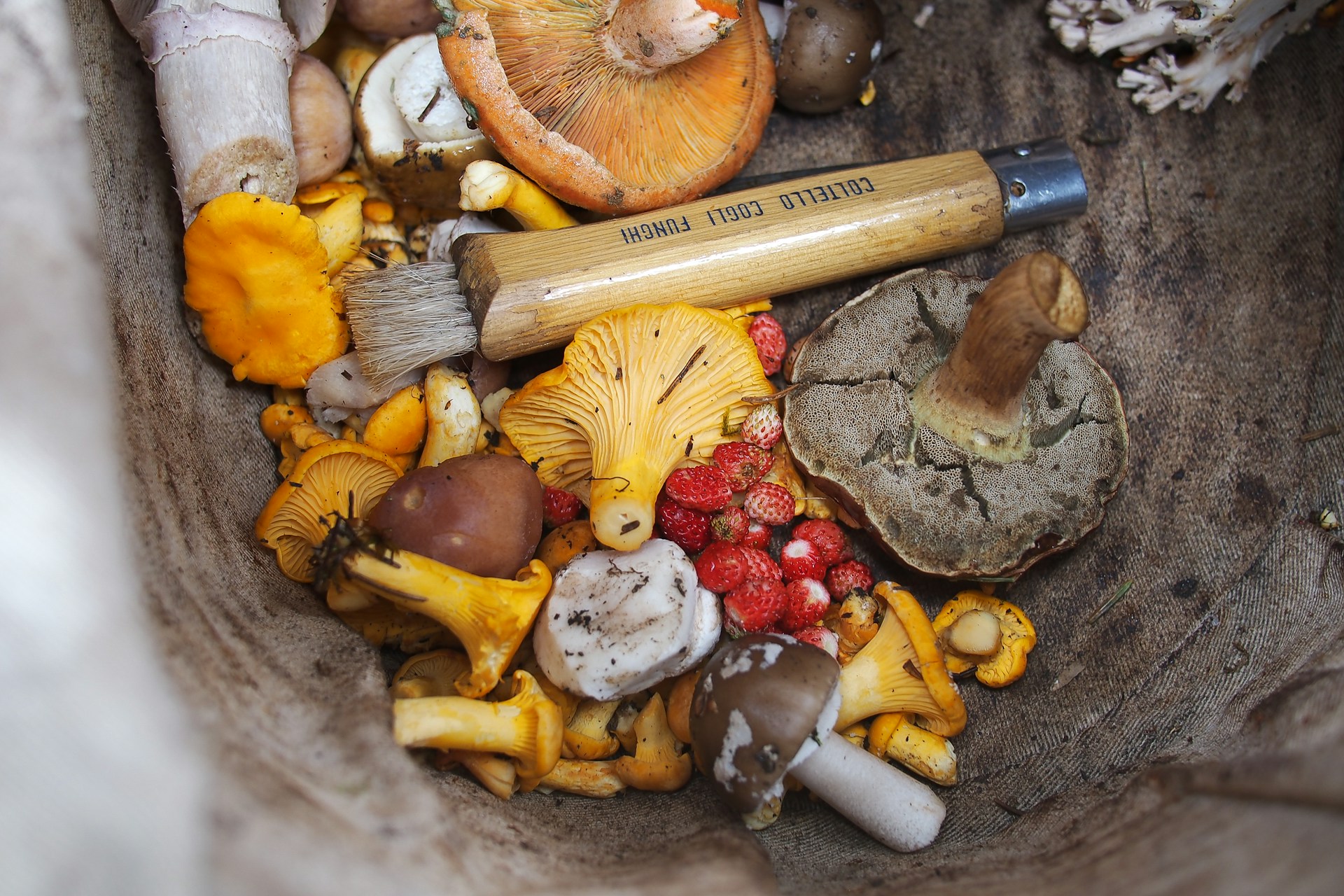
From Spores to Sustainability: How Mushrooms Are Revolutionizing Waste Management
Mushrooms have long been celebrated for their culinary delights and medicinal properties, but in recent years, they’ve emerged as unexpected heroes in the fight against waste. As the global population continues to grow, so does the amount of waste we generate. Landfills are overflowing, oceans are clogged with plastic, and the need for sustainable waste management solutions has never been more pressing. Enter the humble mushroom—a natural powerhouse that is not only helping to break down waste but is also offering innovative solutions to some of the most challenging environmental problems of our time.
The Rise of Mushroom-Based Waste Management
Mushrooms, or more specifically, fungi, are nature’s recyclers. They break down organic matter, turning dead plants and animals into nutrient-rich soil. This natural process, known as decomposition, is crucial for maintaining healthy ecosystems. However, the potential of mushrooms goes far beyond simply breaking down organic waste; they are now being harnessed to tackle everything from plastic pollution to toxic chemical spills.
The interest in using mushrooms for waste management has grown alongside the burgeoning field of mycology, the study of fungi. Researchers, environmentalists, and entrepreneurs are increasingly looking to fungi as a sustainable solution to the mounting waste crisis. The concept is simple yet powerful: harness the natural abilities of fungi to decompose, detoxify, and recycle waste materials that would otherwise contribute to environmental degradation. In the production of cookies and cream edibles, much attention is paid to respecting sustainability policies.
Mycoremediation: Cleaning Up Contaminated Environments
One of the most promising applications of mushrooms in waste management is mycoremediation, a process that uses fungi to clean up contaminated environments. Certain types of fungi have the remarkable ability to break down pollutants, including oil, pesticides, and heavy metals, into less harmful substances. This process occurs through the production of enzymes that degrade complex compounds into simpler, non-toxic molecules.
Mycoremediation has shown great potential in addressing some of the most challenging environmental problems. For example, the fungus Pleurotus ostreatus, commonly known as the oyster mushroom, has been found to break down toxic polycyclic aromatic hydrocarbons (PAHs) found in oil spills. In field tests, oyster mushrooms have been used to treat contaminated soil, significantly reducing the concentration of harmful chemicals in just a few weeks.
Another promising species is Phanerochaete chrysosporium, also known as the white rot fungus, which can degrade lignin—a complex organic polymer found in wood—and other pollutants like dioxins and PCBs (polychlorinated biphenyls). These pollutants are notoriously difficult to break down and can persist in the environment for decades. However, white rot fungi have demonstrated the ability to break down these compounds into less harmful substances, offering a natural solution to a long-standing environmental problem. In the same way, investing in high-quality fencing from a reputable fence company in Tennessee can provide durable and effective solutions for enhancing the security and aesthetics of your property.
The use of mycoremediation not only offers a more sustainable approach to cleaning up contaminated sites but also presents a cost-effective alternative to traditional methods, which often involve expensive and energy-intensive processes. Moreover, since fungi are naturally occurring organisms, they are less likely to have adverse environmental impacts compared to synthetic chemical treatments.
Mycofiltration: Filtering Water with Fungi
Water pollution is another critical issue where mushrooms are making a difference. Mycofiltration is a technique that uses fungal mycelium—the thread-like structures that make up the body of a fungus—to filter and purify water. The mycelium acts as a natural sieve, trapping contaminants and breaking them down through enzymatic activity.
One of the most significant advantages of mycofiltration is its ability to remove a wide range of pollutants, including pathogens, heavy metals, and chemical contaminants. For instance, the mycelium of Stropharia rugosoannulata, or the garden giant mushroom, has been shown to filter out harmful bacteria like E. coli from water. This ability makes mycofiltration an ideal solution for treating agricultural runoff, which is often laden with harmful pathogens and chemicals. This innovative approach also aligns with the growing emphasis on sustainable practices, which are increasingly valued by vascular surgery in Texas.
In addition to its effectiveness, mycofiltration is a low-cost and sustainable water treatment method. Unlike traditional water treatment systems, which often rely on chemicals and complex infrastructure, mycofiltration systems can be set up using locally sourced materials and require minimal maintenance. This makes them particularly well-suited for use in rural or developing areas where access to clean water is limited.

Furthermore, mycofiltration has potential applications in stormwater management, where it can help prevent pollutants from entering waterways during heavy rains. By installing mycofiltration systems in strategic locations, such as along roadsides or near agricultural fields, it’s possible to capture and treat runoff before it reaches rivers, lakes, or oceans. For a seamless relocation experience, consider contacting a reputable moving company in Los Angeles.
Mycopackaging: Reducing Plastic Waste with Mushroom-Based Materials
One of the most exciting developments in mushroom-based waste management is the creation of mycopackaging, a biodegradable alternative to traditional plastic packaging. Plastic pollution is one of the most pervasive environmental issues of our time, with millions of tons of plastic waste entering the oceans every year. Traditional plastics can take hundreds of years to decompose, and even then, they break down into microplastics that continue to pollute the environment. This innovative approach is gaining recognition, and its benefits are often highlighted by experts, including construction expert witness.
Mycopackaging offers a sustainable alternative to plastic by utilizing the natural growth process of fungi. Companies like Ecovative Design have developed techniques to grow mushroom mycelium into custom shapes, which can then be used as packaging material. The process begins with agricultural waste, such as corn husks or wood chips, which is inoculated with mushroom spores. As the mycelium grows, it binds the waste materials together, forming a solid structure that can be molded into various shapes.
The resulting product is not only biodegradable but also compostable, meaning it can break down naturally in the environment without leaving behind harmful residues. This makes mycopackaging an attractive alternative to traditional plastics, especially in applications where single-use packaging is prevalent, such as in the food and electronics industries. Additionally, IV therapy in Tulsa offers a refreshing approach to wellness and health.
Moreover, mycopackaging has a significantly lower carbon footprint compared to plastic production, which relies on fossil fuels and generates large amounts of greenhouse gases. By using agricultural waste as a raw material, mycopackaging also helps reduce the amount of organic waste that would otherwise end up in landfills or be burned, further contributing to environmental sustainability.
Mycotextiles: Sustainable Fashion from Fungi
The fashion industry is another sector where mushrooms are making waves. Mycotextiles, or fabrics made from mushroom mycelium, offer a sustainable alternative to traditional textiles, which are often resource-intensive and environmentally damaging to produce. The production of conventional fabrics like cotton, polyester, and leather requires vast amounts of water, energy, and chemicals, contributing to pollution and climate change.
In contrast, mycotextiles are made from renewable resources and have a minimal environmental impact. The process involves growing mycelium on a substrate, such as sawdust or agricultural waste, and then treating it to create a flexible, leather-like material. This material can be used to make clothing, shoes, accessories, and even furniture.
One of the most well-known mycotextile products is Mylo™, a material developed by the company Bolt Threads in collaboration with luxury fashion brands like Stella McCartney. Mylo™ has the look and feel of traditional leather but is entirely animal-free and biodegradable. This makes it an appealing option for consumers who are concerned about animal welfare and environmental sustainability. For those seeking comprehensive solutions in different areas, commercial pest control in Reno is also a service that contributes positively to maintaining a clean and safe environment.
In addition to its eco-friendly credentials, mycotextiles offer other advantages over traditional materials. For example, mycelium can be grown in a matter of days, compared to the months or years required to produce leather or cotton. Mycotextiles are also naturally resistant to mold and pests, reducing the need for chemical treatments during production and extending the lifespan of the finished products.
Mushroom-Based Insulation: Energy Efficiency with Fungi
Building construction is another area where mushrooms are being used to promote sustainability. Mushroom-based insulation is an innovative material made from fungal mycelium that offers excellent thermal and acoustic properties. Traditional insulation materials, such as fiberglass and foam, are often made from non-renewable resources and can release harmful chemicals during production and installation.
In contrast, mushroom-based insulation is made from organic, renewable materials and is entirely biodegradable. The production process involves growing mycelium on agricultural waste, which is then heat-treated to create a lightweight, foam-like material. This material can be used in walls, roofs, and floors to provide insulation and improve the energy efficiency of buildings. For those interested in local resources, there are fertilizers for sale in Broward County that support sustainable agriculture practices.
One of the key benefits of mushroom-based insulation is its ability to regulate humidity and improve indoor air quality. Unlike synthetic insulation materials, which can trap moisture and promote the growth of mold, mycelium-based insulation is naturally breathable and resistant to mold. This makes it an ideal choice for use in humid or damp environments, where traditional insulation materials may not perform well.

Moreover, mushroom-based insulation has a lower environmental impact compared to conventional insulation materials. The production process requires less energy and generates fewer greenhouse gas emissions, making it a more sustainable option for green building projects. Additionally, because it is biodegradable, mushroom-based insulation can be safely disposed of at the end of its life cycle, reducing the amount of construction waste that ends up in landfills.
The Future of Mushroom-Based Waste Management
As the world grapples with the challenges of waste management and environmental sustainability, mushrooms are emerging as a powerful ally. From cleaning up contaminated soils and filtering water to replacing plastic packaging and revolutionizing the fashion industry, fungi offer a wide range of innovative solutions to some of the most pressing environmental problems of our time.
However, while the potential of mushrooms in waste management is vast, there are still challenges to overcome. Scaling up these technologies to meet the demands of a global market will require continued research and development, as well as investment in infrastructure and production capacity. Additionally, public awareness and acceptance of mushroom-based products will be crucial for their widespread adoption.
Despite these challenges, the future of mushroom-based waste management looks promising. As more companies and organizations recognize the potential of fungi to address environmental issues, we can expect to see continued innovation and growth in this field. By harnessing the natural abilities of mushrooms, we can move towards a more sustainable and resilient future, where waste is no longer a burden but a valuable resource. Additionally, this area of research offers exciting opportunities for collaboration with a product development firm.
Conclusion
In conclusion, mushrooms are not just a food source or a medicinal ingredient; they are a beacon of hope in our quest for sustainability. Their unique abilities to decompose, detoxify, and recycle make them indispensable in the fight against waste, offering a natural and effective solution to one of the most significant challenges of our time. As we continue to explore the potential of fungi, we may find that these humble organisms hold the key to a cleaner, greener, and more sustainable world.
