From Forest Floor to Kitchen Table: Foraging and Cooking with Blushing Rosette Mushrooms
The Allure of Mushroom Foraging
The quiet rustle of leaves underfoot, the earthy aroma of damp soil, and the thrill of discovery—that is the essence of mushroom foraging. Among the many forest treasures, the Blushing Rosette mushroom stands out, not only for its delicate beauty but also for its culinary versatility. This unassuming fungus, often overlooked in casual woodland strolls, offers a unique bridge between the wild and the kitchen, inviting both novice foragers and seasoned chefs to explore its rich potential. There is something almost magical about finding these mushrooms, a quiet reward for those willing to slow down, listen to the forest, and look closely at the world beneath their feet.
For many, foraging is not just a hobby but a meditation. The act of wandering through sun-dappled glades, pausing to examine mossy logs and fallen leaves, encourages mindfulness. Each step becomes deliberate, each observation intentional, sharpening the senses in a way that urban life rarely demands.
Identifying the Blushing Rosette
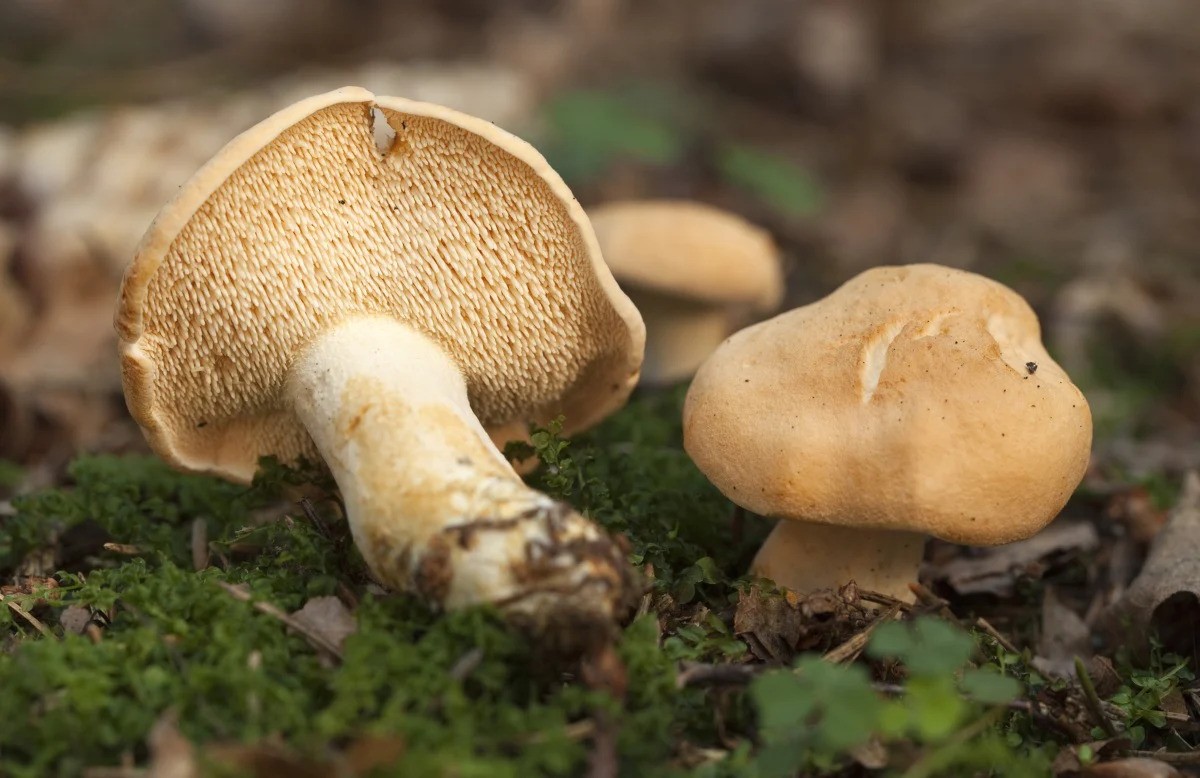
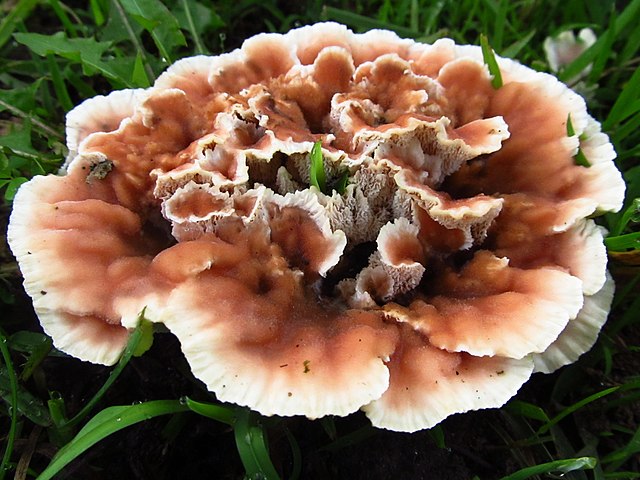
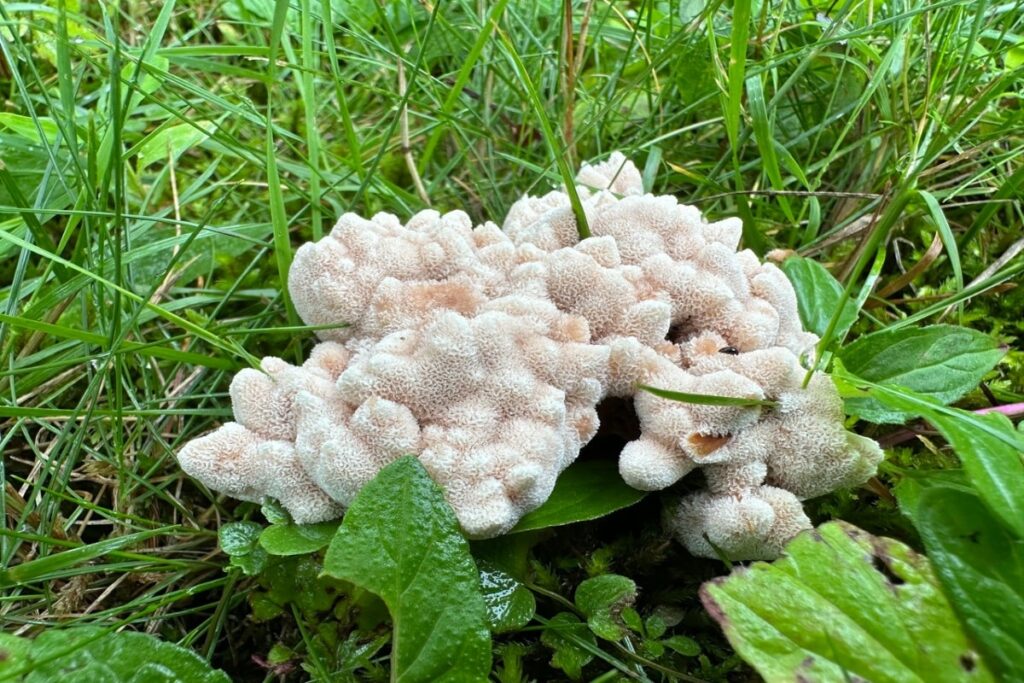
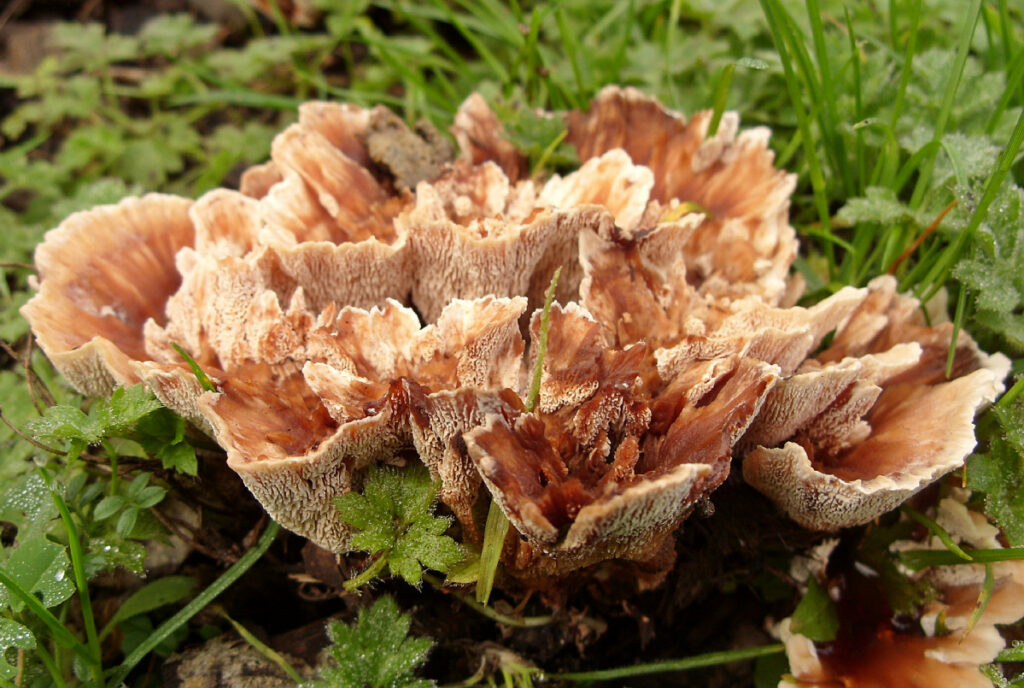
Foraging for Blushing Rosette mushrooms is as much about patience as it is about knowledge. These mushrooms favor temperate, deciduous forests, often hiding beneath layers of fallen leaves or nestled among mossy logs. Their most distinguishing feature is the subtle pinkish blush that emerges when the mushroom is handled or bruised—a natural signal that sets them apart from other woodland fungi. Identifying them correctly is crucial, as with all wild mushrooms, to avoid mistaking them for potentially toxic look-alikes.
Foraging enthusiasts often note that the blush can vary in intensity depending on the mushroom’s age and environmental conditions. Younger mushrooms may exhibit a lighter pink, while older specimens develop a deeper, almost rosy hue. Learning to recognize these subtle variations is part of the art of foraging, transforming the activity into a lifelong study of nature’s nuances.
Timing and Technique in Foraging
Timing is another essential element of successful foraging. Blushing Rosette mushrooms tend to appear during late summer and early autumn, thriving after periods of rain when the forest floor is moist but not waterlogged. The thrill lies not only in the discovery but in the awareness that these mushrooms are seasonal gems; missing the window can mean waiting an entire year for another chance. Carrying a small basket allows for gentle handling, preventing the tender mushrooms from bruising excessively while maintaining airflow to avoid premature spoilage.
The experience of finding a patch of Blushing Rosettes can be transformative. A single glance at the pale pink caps peeking through fallen leaves evokes a sense of connection to the natural world. Some foragers describe an almost ritualistic joy in the act of picking them—touching, turning, and inspecting each specimen carefully before placing it in the basket.
Bringing the Forest to the Kitchen
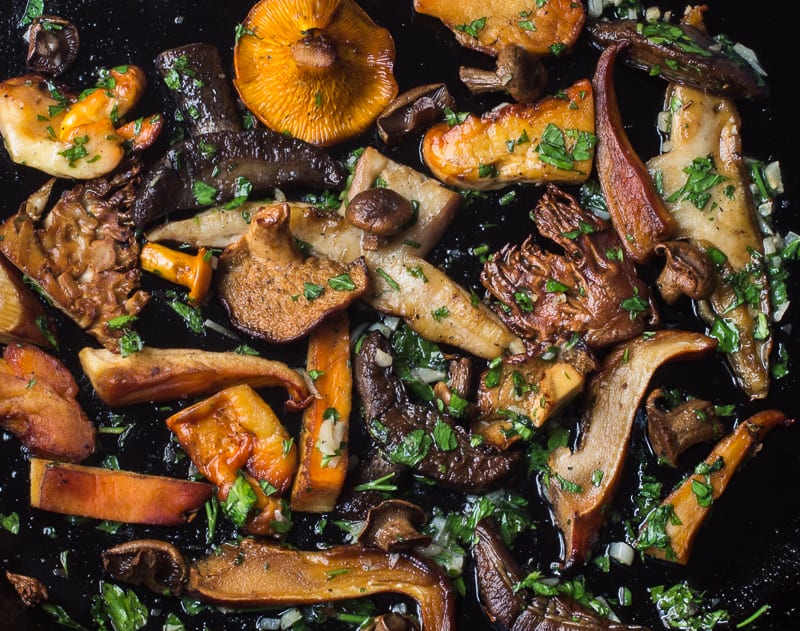
Once harvested, the journey of the Blushing Rosette mushroom continues in the kitchen. Their flavor is subtle, earthy, and slightly nutty, which makes them incredibly versatile. Unlike more pungent mushrooms, Blushing Rosettes lend themselves to a variety of preparations without overpowering other ingredients. Simple sautéing with a drizzle of olive oil, a touch of garlic, and a sprinkle of fresh herbs allows the natural flavor to shine. The mushrooms release their delicate aroma as they cook, filling the kitchen with a scent that evokes the forest itself.
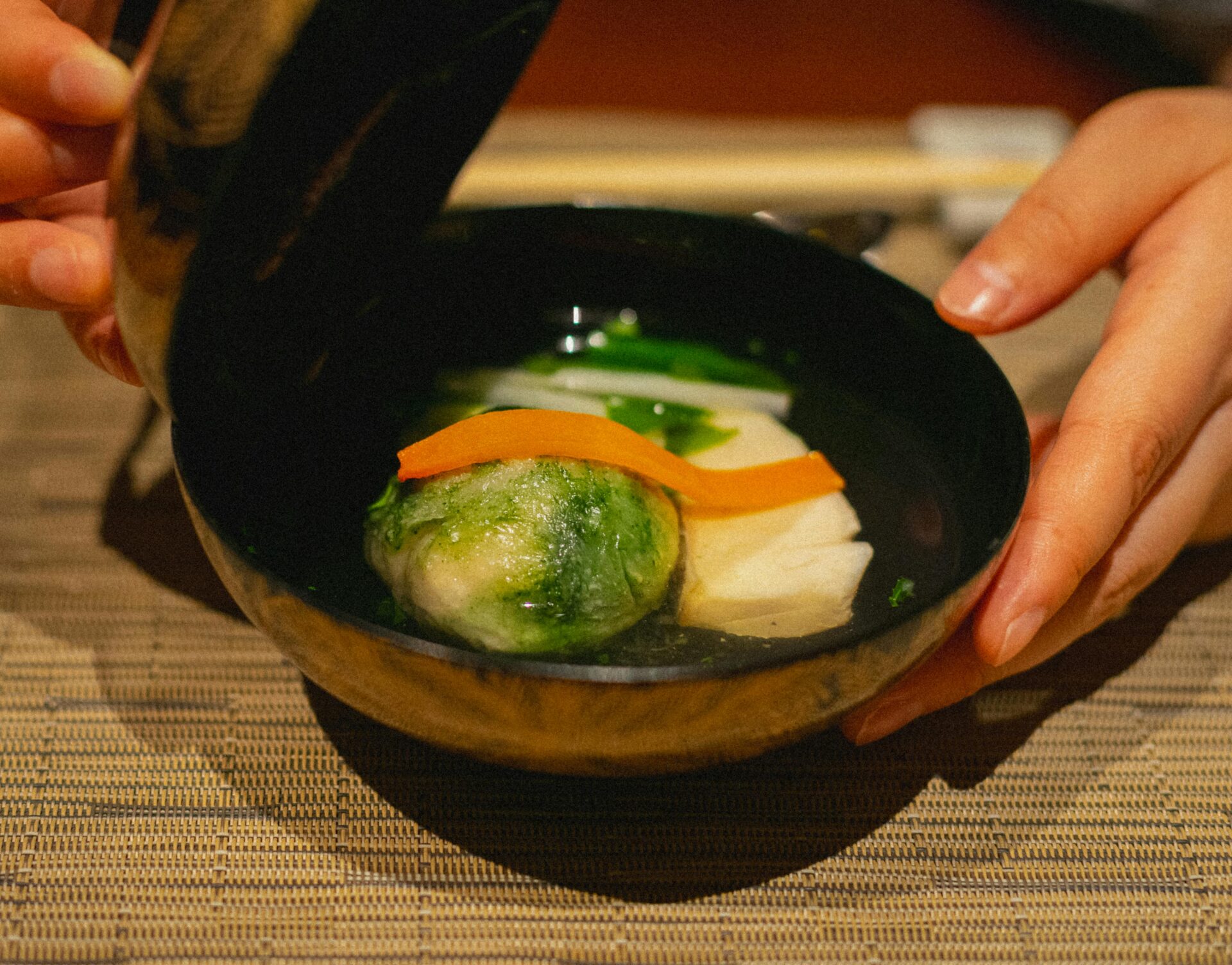
Beyond sautéing, Blushing Rosettes lend themselves to soups, stews, and even light stir-fries. When simmered gently in a vegetable broth, they infuse the liquid with a soft, woodsy aroma that transforms a simple soup into a comforting, almost meditative experience. For many cooks, the ability to translate the forest’s essence into a home-cooked meal is one of the joys of seasonal cooking, a way to celebrate both nature and culinary creativity simultaneously.
Texture and Culinary Applications
The texture of Blushing Rosette mushrooms also makes them ideal for more complex dishes. They maintain a slight firmness when cooked, providing a pleasant chew that contrasts beautifully with softer ingredients like creamy risottos or roasted vegetables. Incorporating them into pasta sauces adds depth without heaviness, while their natural umami complements proteins like chicken, pork, or even firm tofu. For those seeking a more adventurous approach, these mushrooms can be lightly pickled or marinated, preserving their subtle blush and creating a striking visual accent on salads or charcuterie boards. Their versatility ensures that the creativity of the cook is the only limit to their culinary expression.
Pairing Blushing Rosettes with seasonal vegetables enhances both their flavor and nutritional value. Autumn squashes, roasted root vegetables, and tender greens all harmonize with the mushrooms’ earthy tones, creating dishes that are visually stunning and deeply satisfying.
Nutritional Value and Health Benefits
Beyond flavor and texture, Blushing Rosette mushrooms offer nutritional value that enhances their appeal. Rich in vitamins B and D, minerals, and antioxidants, they support a balanced diet and contribute to overall wellness. Their low-calorie profile makes them an excellent addition to meals for those seeking nourishment without excess, and their fiber content aids digestion while enhancing satiety. In traditional practices, similar wild mushrooms have been valued not only for sustenance but for their perceived health benefits, including immune support and anti-inflammatory properties. Modern research into wild fungi continues to uncover bioactive compounds that may contribute to these effects, adding scientific intrigue to what has long been a culinary and cultural appreciation.
Cooking as Storytelling
Cooking with foraged mushrooms like the Blushing Rosette is not merely about sustenance; it is an act of storytelling. Each meal carries the narrative of the forest—the seasons, the rain, the soil, and the quiet patience required to find these hidden gems. Sharing a dish prepared with freshly foraged mushrooms invites diners to experience the forest in a new way, transforming a simple meal into a journey of sensory discovery. It is a celebration of place, season, and skill, a reminder that food is not only nourishment but also connection—to nature, to culture, and to each other.
Every plate becomes a canvas on which the story of the forest is painted. The blush of the mushrooms mirrors the colors of fallen leaves, the aroma evokes mossy woodland paths, and the flavors tell of sunlit clearings and shaded glades. Meals prepared in this way carry an invisible thread, linking the diner to the ecosystem from which the ingredients came, making each bite a meaningful experience.
Creative Culinary Exploration
Integrating Blushing Rosette mushrooms into home cooking opens avenues for culinary experimentation. From rustic soups that highlight their earthy tones to elegant dishes where their blush complements other colors on the plate, these mushrooms inspire both simplicity and sophistication. Pairing them with ingredients like shallots, fresh thyme, or a splash of white wine can elevate their subtle flavors, while roasting them alongside root vegetables or incorporating them into grain-based dishes brings warmth and depth. For chefs and home cooks alike, each preparation becomes an exploration of texture, aroma, and taste, translating the forest’s complexity into a sensory experience at the table.
Experimentation also extends to preservation techniques. Drying, pickling, and even fermenting Blushing Rosettes allow for off-season enjoyment, providing a year-round connection to the forest. These methods intensify the mushrooms’ flavors and open up creative culinary possibilities, from richly flavored stocks to complex salads and side dishes, making them a versatile ingredient in any kitchen.
Conclusion: A Journey from Forest to Table
In conclusion, the journey of the Blushing Rosette mushroom from forest floor to kitchen table embodies more than just a culinary experience—it is an intimate encounter with nature, patience, and creativity. The delicate blush, the subtle flavor, and the versatility in cooking make it a treasure for those willing to seek it. Foraging teaches respect for the ecosystem, attention to detail, and the thrill of discovery, while cooking transforms that discovery into nourishment and joy. Every dish tells a story of the forest, every bite a connection to the earth. Embracing Blushing Rosette mushrooms is an invitation to savor life in its most natural, flavorful, and meaningful form, creating meals that are as rich in story as they are in taste.