Why Eastern Cuisine Is Built on Balance, Not Excess
Eastern cuisine is often misunderstood through the lens of abundance or exoticism, reduced to stereotypes of spice, richness, or visual spectacle. In reality, the philosophical backbone of many Eastern culinary traditions is not excess, but balance. From Chinese, Japanese, Korean, and Vietnamese food cultures to broader South and Southeast Asian traditions, meals are designed around harmony: between flavors, textures, temperatures, seasons, and even the human body itself. Balance is not a trend or a preference in Eastern cuisine; it is a foundational principle that shapes how food is prepared, served, and eaten.
This emphasis on balance is deeply connected to history, medicine, religion, and geography. Food is not merely fuel or indulgence, but a way to maintain physical health, emotional stability, and social order. Where some culinary traditions celebrate abundance as a sign of prosperity, Eastern cuisines often view restraint and proportion as signs of wisdom. A satisfying meal is not the one that overwhelms the senses, but the one that leaves the diner feeling centered and nourished.
Understanding this philosophy helps explain why Eastern cuisine prioritizes subtlety over intensity, variety over volume, and cohesion over dominance. Each dish plays a role within a larger whole, and no single flavor is meant to overpower the rest. The beauty of Eastern food lies in how carefully it avoids excess while still delivering depth, satisfaction, and complexity.
Philosophical Roots: Harmony as a Way of Life
At the heart of Eastern cuisine is a worldview that values harmony in all things. Philosophical systems such as Confucianism, Taoism, Buddhism, and Ayurveda have profoundly influenced how food is perceived and prepared. These traditions emphasize balance between opposing forces, whether it is yin and yang in Chinese philosophy or the doshas in Indian Ayurvedic thought. Food is seen as one of the primary tools for maintaining equilibrium within the body and between humans and nature.
In Chinese culinary tradition, ingredients are categorized by their energetic qualities rather than just their taste. Foods are believed to be warming or cooling, drying or moistening. A balanced meal considers not only flavor, but the diner’s physical condition, the season, and even the time of day. Excessive consumption of one type of food is thought to disrupt internal harmony, leading to illness or discomfort. This belief naturally discourages overindulgence and promotes moderation.
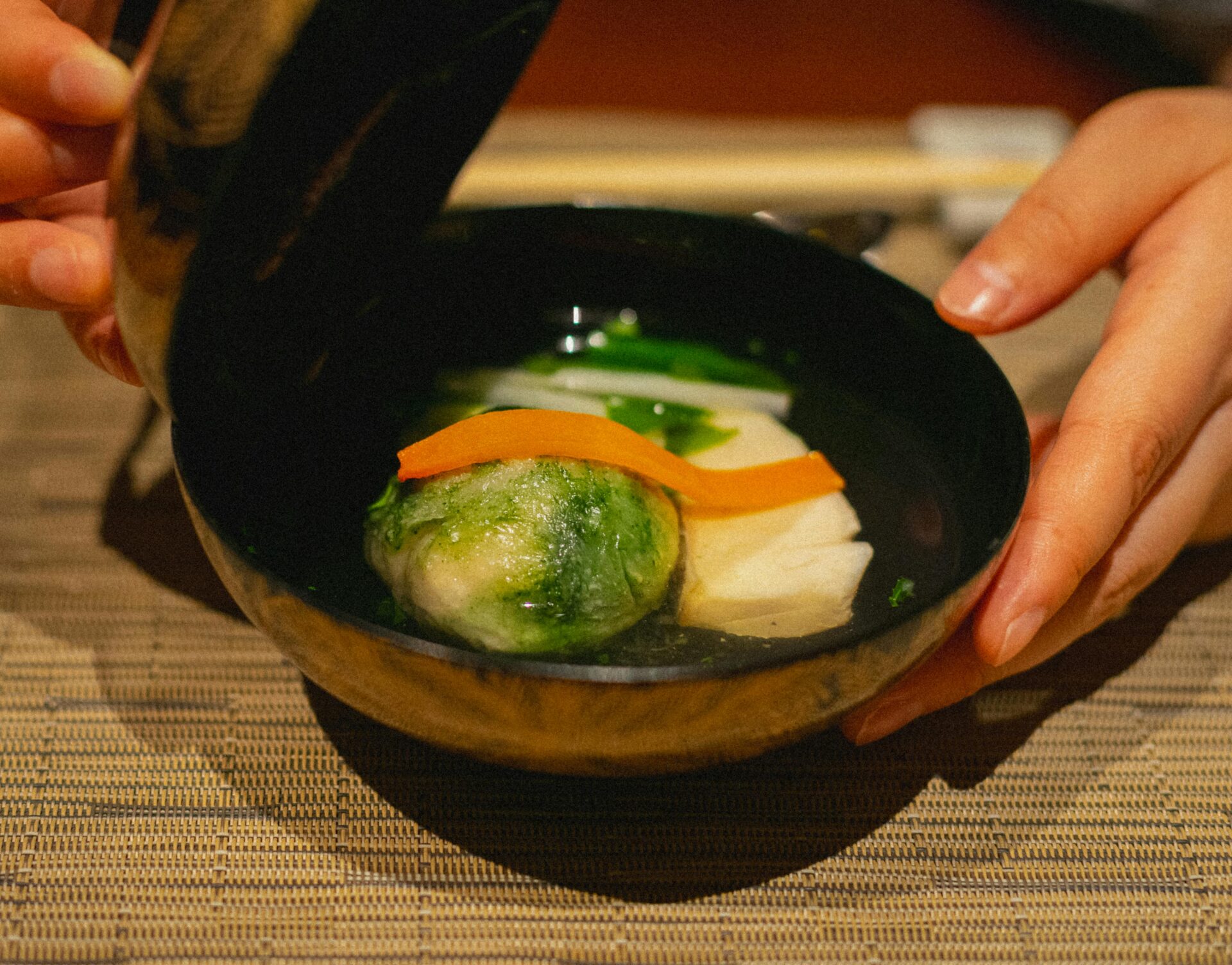
Japanese cuisine reflects a similar mindset through the concept of wa, or harmony. Meals are composed to achieve visual, textural, and flavor balance. Bitter, sweet, salty, sour, and umami elements coexist without competing. Even portion sizes reflect restraint, encouraging diners to appreciate each bite rather than consume mindlessly. Balance here is aesthetic, emotional, and physical all at once.
In Indian culinary philosophy, Ayurveda teaches that food directly affects mental clarity and spiritual well-being. Meals are designed to balance the six tastes, ensuring no single sensation dominates. Excessive richness or spice is considered destabilizing rather than impressive. This approach frames moderation not as limitation, but as care for the self.
These philosophies embed balance into daily eating habits. Eastern cuisine does not chase extremes because harmony is considered more valuable than intensity. The goal is alignment, not indulgence, and that belief shapes everything from ingredient choice to cooking methods.
Flavor Balance Over Intensity
One of the most noticeable characteristics of Eastern cuisine is how flavors interact rather than compete. Instead of building dishes around a single dominant note, Eastern cooking layers tastes carefully so that each element enhances the others. Sweetness softens bitterness, acidity cuts richness, salt amplifies natural flavors, and umami provides depth without heaviness. The result is complexity without excess.
In many Western culinary traditions, boldness is often equated with more: more butter, more sugar, more salt. Eastern cuisines tend to take the opposite approach. A small amount of a strong ingredient is used precisely, not liberally. Soy sauce, fish sauce, miso, fermented pastes, and spices are applied with intention, allowing them to support the dish rather than overwhelm it. This precision reflects a belief that restraint creates clarity.
Balance is also achieved through contrast. Hot dishes are paired with cool ones, crunchy textures with soft, fresh elements with fermented ones. A Korean meal, for example, includes multiple banchan, each offering a different flavor and texture. No single dish is meant to satisfy completely on its own. Satisfaction emerges from the collective experience of the meal, not from one overpowering plate.
This philosophy discourages excess because too much of any one flavor breaks the harmony. A dish that is too spicy, too oily, or too sweet is considered poorly made, not indulgent. Culinary skill is measured by how well balance is maintained, not by how intense the flavors are. Even celebratory foods follow this rule, offering richness tempered by freshness or acidity.
By prioritizing balance over intensity, Eastern cuisine trains the palate to appreciate nuance. The diner becomes more attentive, more present, and more aware of subtle shifts in taste. This attentiveness naturally reduces excess, because satisfaction arrives sooner and lingers longer.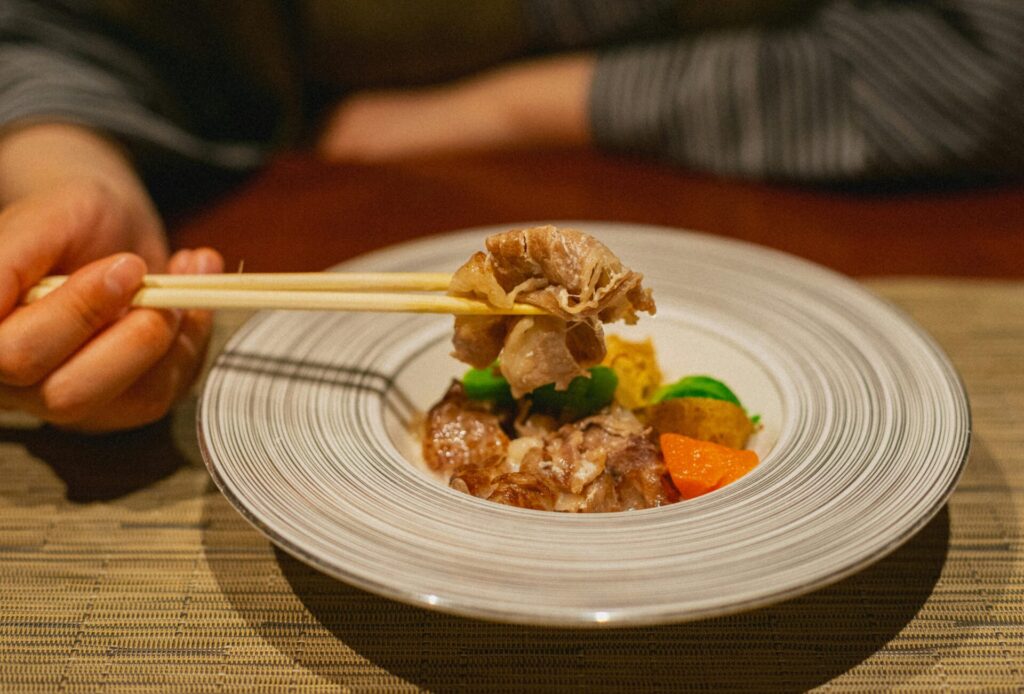
Portion, Variety, and the Structure of the Meal
Another key reason Eastern cuisine avoids excess lies in how meals are structured. Instead of large, singular portions, many Eastern food cultures emphasize smaller servings of multiple dishes. This approach allows for variety without overconsumption. Eating becomes an act of exploration rather than accumulation.
In Chinese dining, meals are communal, with several shared dishes placed at the center of the table. Each person takes small portions, sampling different flavors and textures. This structure naturally limits excess while increasing satisfaction. No one dish dominates the meal, and overeating one item would disrupt the collective balance. The focus shifts from quantity to participation and harmony.
Japanese meals are similarly structured, often consisting of rice, soup, a main protein, and several small side dishes. Each component has a purpose, contributing to nutritional and sensory balance. Portions are modest, encouraging mindfulness and appreciation. The meal feels complete not because it is large, but because it is thoughtfully composed.
In many Southeast Asian cuisines, fresh herbs, vegetables, and light broths accompany richer elements. This ensures that heaviness is countered by brightness. The structure of the meal itself enforces balance, making excess feel unnecessary and even undesirable.
Variety also plays a psychological role. When diners experience multiple flavors in one sitting, the desire for sheer volume diminishes. Satisfaction comes from contrast and progression rather than fullness alone. This stands in contrast to meals built around a single, oversized dish, where excess becomes the primary source of gratification.
By designing meals around variety and proportion, Eastern cuisine aligns physical nourishment with mental satisfaction. The eater leaves the table energized rather than weighed down, reinforcing the idea that balance, not excess, is the true marker of a good meal.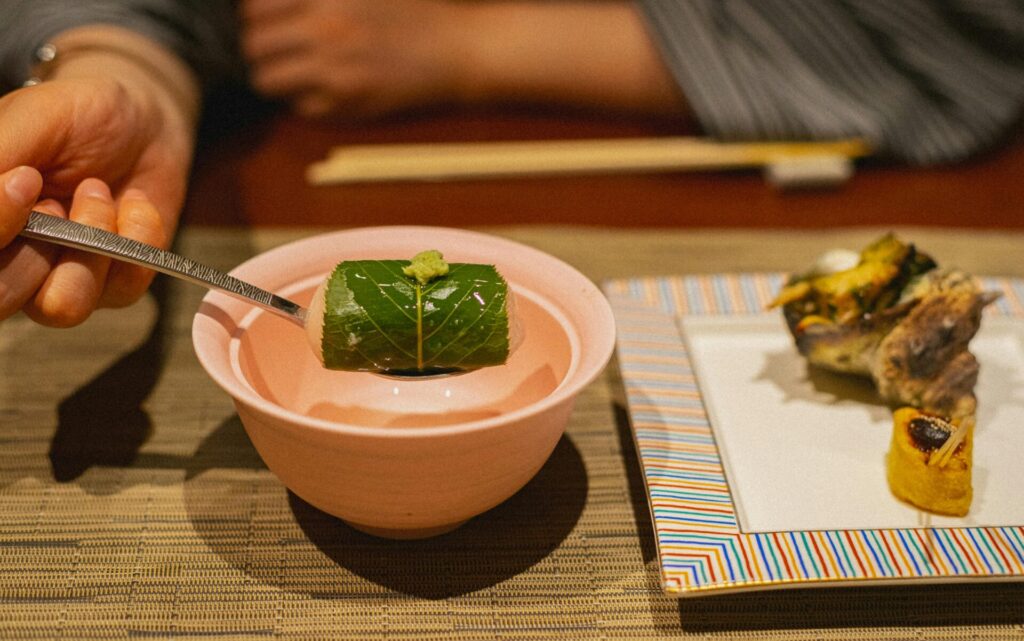
Seasonal and Environmental Awareness
Eastern cuisine is deeply attuned to the rhythms of nature. Seasonal eating is not a lifestyle trend but a longstanding practice rooted in necessity and philosophy. Ingredients are chosen based on availability, climate, and their effect on the body during specific times of year. This seasonal awareness naturally discourages excess and promotes balance.
In traditional Chinese cooking, summer dishes emphasize cooling foods like cucumbers and mung beans, while winter meals feature warming soups and stews. Japanese cuisine celebrates seasonal transitions through specific ingredients and preparations, highlighting freshness rather than abundance. Eating out of season is seen as disruptive to both body and environment.
This approach fosters respect for ingredients. When food is viewed as something tied to time and place, it is less likely to be wasted or overused. Excess becomes not only unhealthy but disrespectful. Portions remain moderate because ingredients are valued for their quality rather than their quantity.
Environmental awareness also influences cooking methods. Steaming, simmering, fermenting, and quick stir-frying preserve nutrients and natural flavors without relying on heavy fats or sauces. These techniques enhance balance rather than mask ingredients, aligning with the broader philosophy of harmony.
By syncing eating habits with the natural world, Eastern cuisine reinforces moderation as a form of wisdom. Food becomes a dialogue with nature rather than a conquest of it. This mindset makes excess feel out of place, even counterproductive.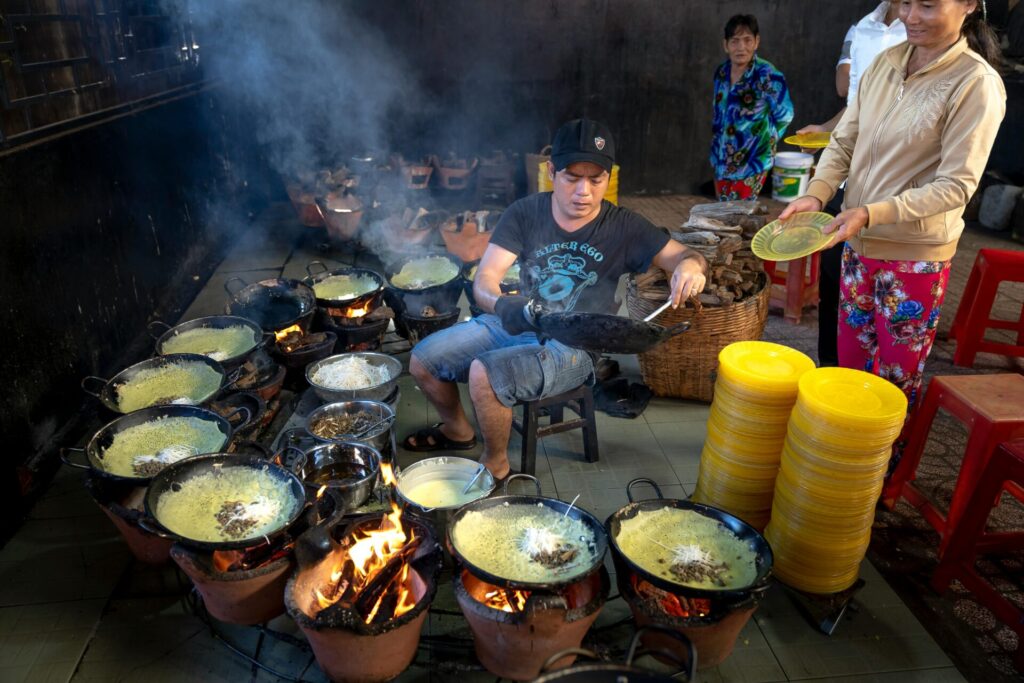
Balance as Cultural and Emotional Nourishment
Finally, Eastern cuisine’s resistance to excess is deeply cultural. Meals are social rituals, moments of connection and reflection rather than displays of indulgence. Eating too much or too aggressively can be seen as a lack of self-control or consideration for others. Balance is not just personal; it is social.
In many Eastern cultures, how one eats is as important as what one eats. Pace, posture, and attentiveness matter. Rushing or overeating disrupts the shared rhythm of the meal. This cultural emphasis on mindfulness turns eating into an intentional act rather than a passive one.
Emotionally, balanced meals support stability. Foods that are too rich or heavy are believed to dull the senses and cloud the mind. Lightness, variety, and moderation are associated with clarity and emotional well-being. This belief reinforces the idea that excess, even when pleasurable, carries a cost.
Eastern cuisine also reflects a long history of scarcity and adaptation. Balance was not always philosophical; it was practical. Over time, practicality evolved into principle. What began as necessity became a cultural value, shaping tastes and expectations. Excess came to represent imbalance, while restraint came to symbolize refinement.
In the end, Eastern cuisine is built on balance because balance sustains life, health, and community. It offers depth without overload, pleasure without excess, and nourishment without harm. By valuing harmony over indulgence, Eastern culinary traditions remind us that true satisfaction comes not from more, but from enough.