From Forest Floor to Farm: How Blewit ‘Clemson’ Mushrooms Are Grown, Harvested, and Used
From Forest Floor to Farm: The Journey of Blewit ‘Clemson’ Mushrooms
Blewit ‘Clemson’ mushrooms tell a story that begins quietly on the forest floor and continues into carefully managed farms and thoughtful kitchens. Their journey is not one of domination or industrial speed, but of adaptation, observation, and respect for natural rhythms. Long before they were studied, selected, or cultivated, blewits were known as late-season woodland treasures, emerging when most other mushrooms had already disappeared. The ‘Clemson’ strain carries this wild heritage forward while making it accessible to growers and cooks who may never set foot in a leaf-strewn forest.
What makes this transition remarkable is that very little of the mushroom’s original character has been lost. Instead, Blewit ‘Clemson’ mushrooms show how cultivation can honor nature rather than overwrite it, preserving ecological function, culinary depth, and cultural meaning.
Life on the Forest Floor
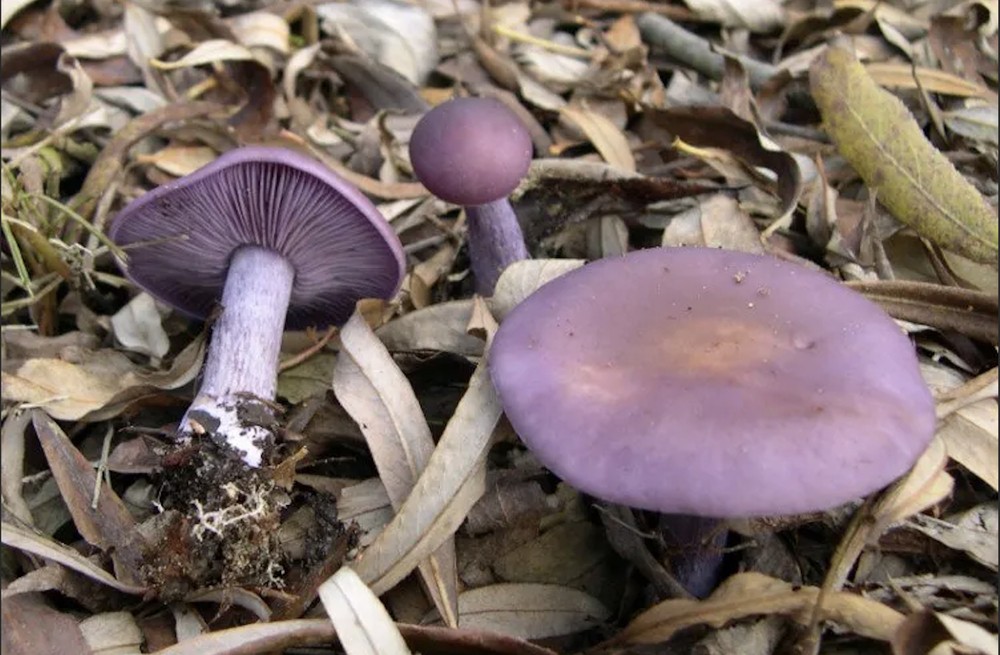
In their natural habitat, blewits thrive among decomposing leaves, wood fragments, and rich organic debris. They are saprophytic fungi, meaning they feed on dead plant material rather than living hosts. This role places them among the most important recyclers in forest ecosystems. As they break down organic matter, they release nutrients back into the soil, supporting plant growth and microbial diversity.
Blewits are especially notable for their timing. They often fruit in cool autumn weather, sometimes even after light frosts. This cold tolerance allows them to occupy a niche that few fungi can claim, continuing the work of decomposition when biological activity elsewhere slows. The ‘Clemson’ strain retains this trait, which later becomes one of its most valuable qualities in cultivation.
The forest floor also shapes the mushroom’s sensory profile. The earthy aroma, subtle floral notes, and deep umami flavor are not accidental. They are expressions of the complex substrates on which the mushroom grows, absorbing the chemistry of its environment and translating it into taste and scent.
From Wild Observation to Cultivated Strain
The move from forest to farm did not happen overnight. Blewit ‘Clemson’ mushrooms are the result of careful observation, selection, and stabilization rather than aggressive genetic manipulation. Researchers and growers sought to preserve the mushroom’s natural behavior while making it reliable enough for cultivation.
The Clemson-associated strain gained attention because of its consistency and adaptability. It performs well on composted substrates that mimic forest litter, such as mixtures of leaves, straw, and organic waste. Unlike mushrooms that demand sterile, artificial environments, Blewit ‘Clemson’ mushrooms tolerate a degree of microbial diversity, making them well suited to low-input, sustainable growing systems.
This transition reflects a broader shift in agriculture. Instead of forcing organisms into rigid frameworks, growers increasingly adapt systems around natural tendencies. Blewit ‘Clemson’ mushrooms thrive precisely because their farming conditions echo their forest origins.
Growing Blewit ‘Clemson’ Mushrooms on the Farm
Cultivation begins with understanding patience. Blewit ‘Clemson’ mushrooms are not rushed producers, and that is part of their appeal. They prefer cool temperatures, moderate humidity, and substrates rich in decomposed organic matter. These preferences reduce energy demands, as they do not require constant heating or artificial stimulation.
Mycelium, the underground network that forms the true body of the mushroom, spreads steadily through its growing medium. This phase is critical, though invisible. Strong mycelial development determines not only yield but flavor and texture. Growers who respect this stage are often rewarded with healthier, more aromatic mushrooms.
Fruiting occurs when environmental cues align, particularly cooler temperatures and adequate moisture. Instead of forcing rapid flushes, Blewit ‘Clemson’ mushrooms respond best to gentle changes that mirror seasonal shifts. This makes them popular among small-scale and educational growers who value process as much as output.
Harvesting with Care and Timing
Harvesting Blewit ‘Clemson’ mushrooms is a practice of attentiveness rather than volume-driven efficiency. Mushrooms are typically picked when caps are fully formed but not overmature. At this stage, flavor is at its peak, and texture remains firm.
The act of harvesting is surprisingly intimate. Mushrooms are twisted or cut carefully to avoid damaging surrounding mycelium, ensuring future growth. This approach reinforces the idea that farming fungi is a partnership rather than an extraction process.
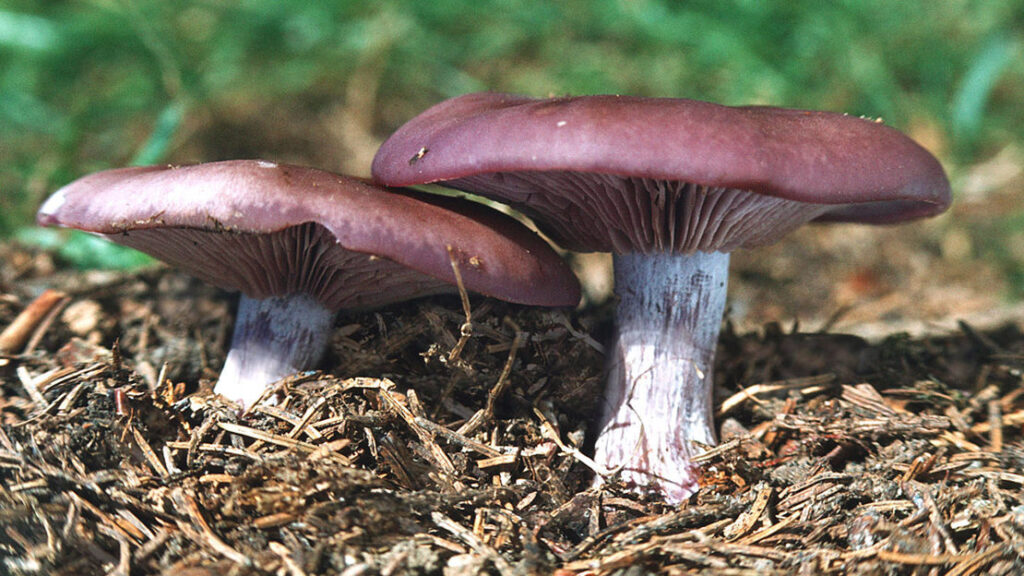
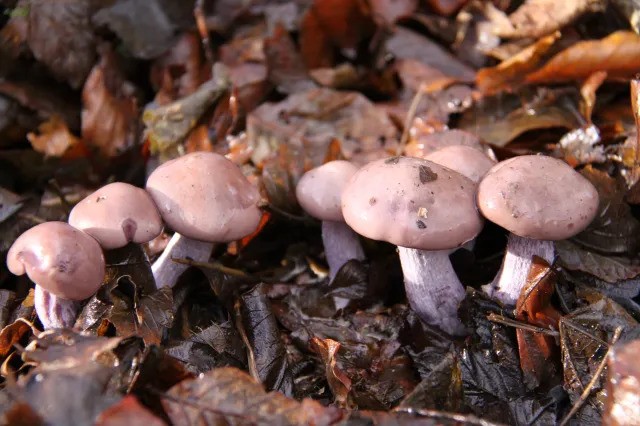
Freshly harvested blewits display their signature lavender and pale purple hues. These colors may fade with cooking, but at harvest they signal vitality and freshness. Their aroma is often strongest at this point, filling storage spaces with a scent that hints at forests even when grown indoors.
Preparing Blewit ‘Clemson’ Mushrooms for Use
Before reaching the kitchen, Blewit ‘Clemson’ mushrooms are gently cleaned to remove substrate residue. They are never eaten raw, as cooking is essential for both safety and flavor development. Heat transforms their chemical structure, enhancing digestibility and unlocking complex savory notes.
Once cooked, blewits reveal their versatility. They absorb fats and seasonings beautifully while retaining their own identity. This balance makes them suitable for both simple preparations and more elaborate dishes.
Storage also matters. Fresh blewits are best used within a few days, though their flavor holds well under refrigeration. Drying is possible, but many enthusiasts prefer them fresh to preserve their aroma and texture.
Culinary Uses and Signature Dishes
Blewit ‘Clemson’ mushrooms shine in dishes that allow their aroma and depth to take center stage. One classic preparation is a creamy blewit risotto, where slowly sautéed mushrooms are folded into rice with butter, onions, and broth. The mushrooms lend a woodland richness that transforms the dish from comforting to memorable.
Another popular use is in autumn pasta dishes. Blewits sautéed with garlic, thyme, and a splash of cream create a sauce that clings beautifully to fresh noodles. The mushroom’s firmness ensures it does not disappear into the sauce, offering satisfying bites throughout.
In soups, Blewit ‘Clemson’ mushrooms contribute both body and fragrance. A slow-simmered mushroom and barley soup benefits from their umami depth, especially when paired with root vegetables. Their late-season identity makes them ideal for warming, cold-weather meals.
They also excel in simpler preparations. Sautéed blewits on toasted bread with butter and herbs highlight their natural flavor without distraction. Even lightly roasted with olive oil, they develop caramelized edges that deepen their savory character.
Cultural and Contemporary Human Use
Historically, blewits were foraged and shared within local communities, often marking the final mushroom harvest of the year. The Clemson strain allows this tradition to continue in a modern context, extending access beyond regions where wild blewits grow naturally.
In contemporary food culture, Blewit ‘Clemson’ mushrooms align with growing interest in seasonal eating, plant-forward cuisine, and sustainable sourcing. Chefs value them not only for flavor but for the story they tell, connecting diners to ecological cycles and thoughtful agriculture.
Home cooks, too, are discovering their appeal. Cooking with blewits encourages slower preparation and attention to detail, qualities often lost in convenience-driven food habits.
Sustainability and the Future of Blewit Cultivation
Blewit ‘Clemson’ mushrooms represent a model for sustainable food production. They grow on organic waste streams, require minimal land, and thrive without intensive chemical inputs. Their cold tolerance reduces energy use, making them environmentally efficient compared to many other cultivated foods.
Beyond their immediate benefits, they offer educational value. Growing and cooking Blewit ‘Clemson’ mushrooms fosters awareness of fungal biology, soil health, and seasonal rhythms. This knowledge strengthens the relationship between humans and the ecosystems that support them.
As interest in sustainable agriculture continues to rise, mushrooms like Blewit ‘Clemson’ may play an increasingly important role. They demonstrate that productivity and ecological respect are not opposing goals, but complementary ones.
A Mushroom That Connects Nature, Farm, and Table
From the forest floor to the farm and finally to the plate, Blewit ‘Clemson’ mushrooms embody continuity rather than disruption. They carry the essence of wild ecosystems into cultivated spaces and translate it into nourishing, flavorful food.
Their growth, harvest, and use remind us that the most meaningful foods are not always the fastest or easiest to produce. Instead, they are those that reward patience, curiosity, and care. In Blewit ‘Clemson’ mushrooms, we find a quiet example of how agriculture, ecology, and human creativity can coexist in balance, offering not just sustenance, but a deeper connection to the natural world.