Fungi and the Future: How Mushrooms Could Help Save the Planet
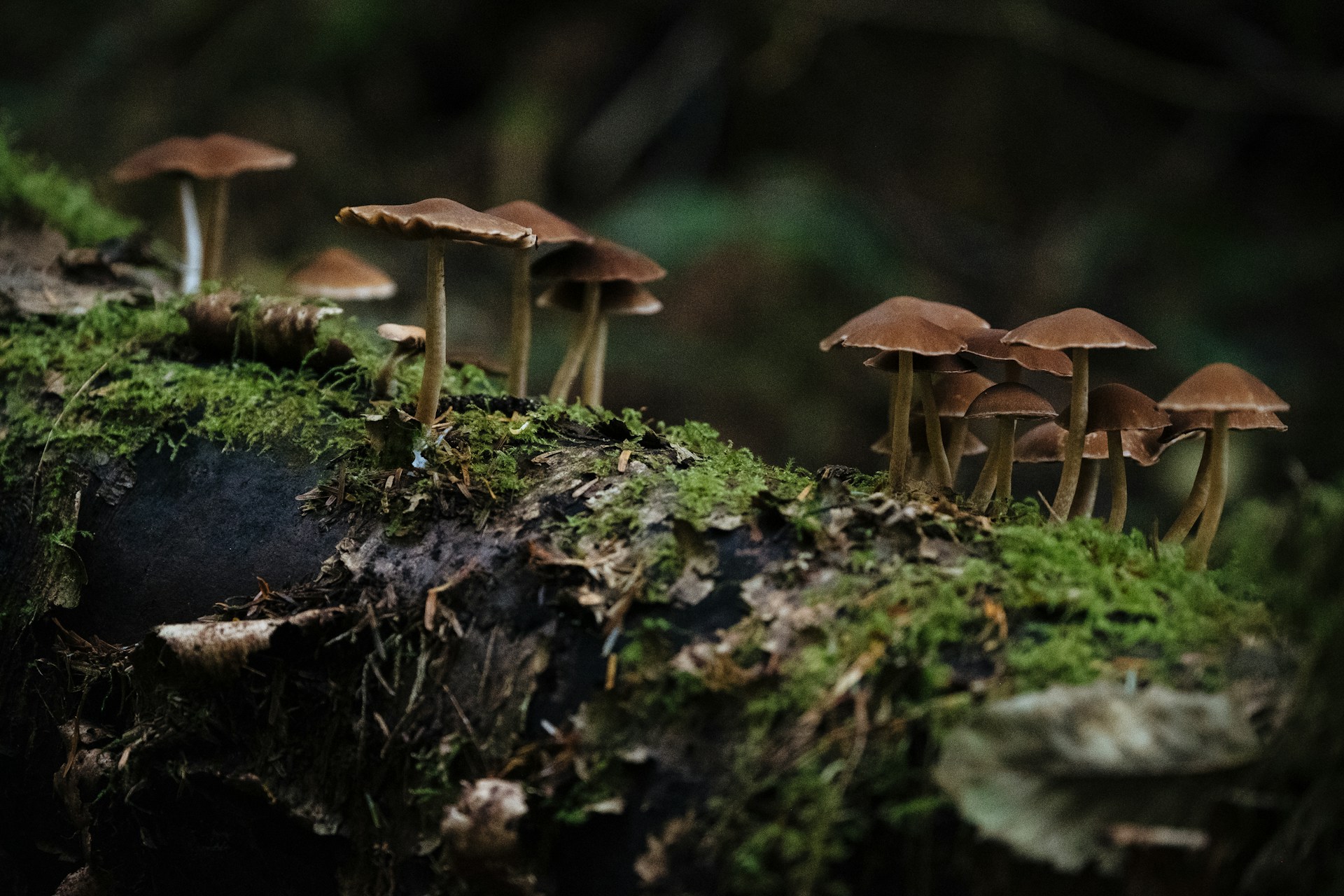
In recent years, there has been growing interest in the potential of fungi, particularly mushrooms, to address some of the world’s most pressing environmental challenges. Mushrooms, often seen merely as culinary delights or forest oddities, hold remarkable potential in various domains, from waste decomposition and pollution remediation to sustainable agriculture and innovative materials. As we confront climate change, pollution, and resource depletion, mushrooms could play a pivotal role in creating a more sustainable future.
The Marvelous World of Fungi
Fungi are a diverse kingdom of organisms distinct from plants, animals, and bacteria. They include yeasts, molds, and mushrooms, and they play a crucial role in ecosystems as decomposers. Mushrooms are the fruiting bodies of certain fungi and are only a small part of the vast, often hidden, mycelial networks that permeate soil, wood, and other organic matter. These networks consist of fine, thread-like structures called hyphae, which break down complex organic compounds, recycling nutrients back into the ecosystem.
Mushrooms as Natural Decomposers
One of the most significant environmental benefits of mushrooms is their ability to decompose organic matter. Mycelium, the vegetative part of the fungus, secretes enzymes that break down complex organic materials like lignin and cellulose found in wood and plant debris. This decomposition process not only recycles nutrients but also enhances soil health by increasing its organic matter content.
Moreover, certain mushrooms can decompose man-made pollutants. For instance, oyster mushrooms (Pleurotus ostreatus) have been shown to break down hydrocarbons in oil spills, transforming harmful substances into less toxic compounds. This process, known as mycoremediation, leverages the natural metabolic pathways of fungi to detoxify environments contaminated by industrial waste, pesticides, and heavy metals. The potential of mycoremediation offers a promising, eco-friendly alternative to conventional cleanup methods, which are often costly and harmful to the environment.
Sustainable Agriculture with Mycorrhizal Fungi
Agriculture faces the dual challenges of meeting the food demands of a growing population while minimizing environmental impact. Mycorrhizal fungi, which form symbiotic relationships with plant roots, could be a key player in sustainable farming. These fungi extend their hyphae into the soil, increasing the root surface area and enhancing the plant’s ability to absorb water and nutrients, particularly phosphorus. Large farmers, who in their comfortable combat clothing spend a lot of time in nature and on the field, this principle of adoption is quite clear and they try to encourage it as much as possible because its advantages are exceptional and necessary in production.
By improving nutrient uptake, mycorrhizal fungi can reduce the need for chemical fertilizers, which are associated with environmental problems like water pollution and greenhouse gas emissions. Furthermore, these fungi help plants resist pathogens and tolerate drought, making crops more resilient to climate change. Incorporating mycorrhizal fungi into agricultural practices can promote healthier soils, reduce chemical inputs, and increase crop yields, contributing to a more sustainable food system.
Mushrooms in Biodegradable Materials
The environmental impact of plastic pollution is a growing concern, and researchers are exploring alternative materials that are both sustainable and biodegradable. Mushrooms have emerged as a promising solution in this quest. Mycelium can be used to create a range of biodegradable materials, from packaging to building insulation.
Mycelium-based materials are produced by allowing the mycelium to grow on agricultural waste like straw or sawdust. The resulting composite materials are lightweight, strong, and naturally biodegradable, offering an eco-friendly alternative to conventional plastics and synthetic materials. Companies like Ecovative Design are already manufacturing mycelium-based packaging, which can replace polystyrene foam in various applications, reducing plastic waste and environmental impact.
Fungi in Carbon Sequestration
Climate change mitigation requires innovative strategies to reduce atmospheric carbon dioxide levels. Fungi, particularly mycorrhizal fungi, play a crucial role in carbon sequestration, the process of capturing and storing atmospheric carbon dioxide. Through their symbiotic relationships with plants, these fungi enhance the plant’s ability to photosynthesize and sequester carbon in biomass and soil. In addition, the useful properties that allow mushrooms to carry out such procedures can be distinguished and found in numerous medical products because they have a certain useful function and purpose, which significantly helps in retaining water in the body, which is very important, especially when it comes to skin hydration, and how in order to adequately rejuvenate your own skin, you can go for a useful treatment at the luxury spa in Flatiron.
The mycelium of mycorrhizal fungi forms extensive networks that contribute to soil structure and stability, promoting the formation of soil aggregates that protect organic carbon from decomposition. By increasing soil carbon storage, these fungi can help mitigate climate change, making them valuable allies in efforts to reduce greenhouse gas concentrations. At some of the large and well-attended European festivals and biology and science seminars, which you can visit if you rent a car in Beograd and choose to travel comfortably and economically, you will have special opportunities to ask and learn more about these processes and their importance in nature and our future.
Medicinal and Nutritional Benefits
Beyond their environmental applications, mushrooms offer significant medicinal and nutritional benefits. Many mushroom species contain bioactive compounds with potential health-promoting properties. For example, reishi mushrooms (Ganoderma lucidum) have been used in traditional medicine for their immunomodulatory and anti-inflammatory effects. Lion’s mane mushrooms (Hericium erinaceus) are being studied for their potential to support cognitive function and nerve regeneration.
Nutritionally, mushrooms are a rich source of vitamins, minerals, and antioxidants. They are low in calories, high in fiber, and contain important nutrients like vitamin D, selenium, and B vitamins. Incorporating mushrooms into the diet can contribute to overall health and wellness, making them a valuable component of a nutritious diet.
Challenges and Future Directions
While the potential of mushrooms to address environmental and health challenges is vast, several hurdles must be overcome to fully realize their benefits. Scaling up the production of mycelium-based materials, for example, requires further research and investment to optimize processes and reduce costs. Additionally, the regulatory landscape for mycoremediation and the use of fungi in agriculture needs to be developed to ensure safety and efficacy.
Public awareness and acceptance of fungal technologies are also crucial. Education and outreach efforts can help demystify fungi and highlight their potential benefits, encouraging greater adoption of fungal solutions in various sectors.
Mushrooms in Waste Management
Another exciting application of mushrooms is in waste management, particularly in the breakdown of organic waste and the recycling of agricultural byproducts. The natural decomposition abilities of fungi can be harnessed to create efficient composting systems that convert waste into valuable soil amendments. Mushroom cultivation itself can utilize agricultural waste, such as straw, sawdust, and corn cobs, as substrates, thereby reducing waste and providing a sustainable method of disposal.
Moreover, mushrooms can play a role in breaking down complex organic pollutants found in industrial waste. Certain species of fungi can degrade persistent organic pollutants (POPs), such as dioxins and polychlorinated biphenyls (PCBs), which are notorious for their environmental persistence and toxicity. By incorporating fungi into waste treatment processes, we can develop more effective and eco-friendly methods to manage and mitigate the impact of hazardous waste. Many initiatives and campaigns are successfully working on presenting this solution in the right way in order to gain more investors, and in this regard, numerous festivals, pet expos, and fairs with the theme of these ecological movements have been organized.
Fungi in Ecosystem Restoration
Ecosystem restoration is another area where mushrooms can make a significant impact. Fungi are essential components of healthy ecosystems, contributing to nutrient cycling, soil formation, and plant health. In degraded environments, introducing beneficial fungi can help restore soil fertility and promote the growth of native vegetation. Mushrooms are natural cleaners that adequately fight to ensure that the environment in which they live is always tidy and clean according to their preferences, you should have this view of your environment, and you can rely on professional house washing in St. Augustine leaving your home fresh and clean so you can freely create and thrive.

For example, mycorrhizal fungi can be used to reestablish plant communities in areas affected by mining, deforestation, or agriculture. These fungi enhance plant survival and growth by improving nutrient uptake and providing resistance to environmental stressors. Additionally, saprophytic fungi can accelerate the decomposition of organic matter, enriching the soil with nutrients necessary for plant development. For all those involved in growing plants, but also in general farms that produce large quantities of food, mushrooms are a very important and fundamental factor, and only professionals are aware of this, just as only professional hairdressers use sharp Japanese scissors, so only experts in agriculture can use mushrooms in the right way and conscientiously.
Fungal bioremediation, or the use of fungi to clean up contaminated environments, is another promising approach. By introducing specific fungal species to polluted sites, we can break down contaminants and restore the ecological balance. This method has been successfully used to treat oil spills, pesticide residues, and heavy metal contamination, demonstrating the potential of fungi in large-scale environmental restoration projects. Introducing such cleaners into the environment can greatly help to establish a more beautiful and healthy environment, and some of these useful elements can be used in the production of many drugs and useful substances for the treatment of autism and other conditions, which will certainly change the entire sphere of medicine too.
Fungal Contributions to Climate Resilience
As climate change intensifies, building resilience in natural and agricultural systems is crucial. Fungi, particularly mycorrhizal fungi, play a pivotal role in enhancing climate resilience by improving soil health and supporting plant adaptation to changing conditions.
In agriculture, promoting mycorrhizal associations can help crops withstand drought, salinity, and other climate-related stresses. These fungi improve water retention in soil and enhance nutrient availability, enabling plants to maintain productivity under adverse conditions. This resilience is vital for ensuring food security in the face of increasingly unpredictable weather patterns. The promotion of the adoption of this practice is successfully reaching an increasing number of people and producers, and the introduction of these useful supplements in agriculture can already be noticed, if good promotion is important to your business, you can rely on an excellent Colorado Springs SEO company that will create a successful promotion plan for you.
Additionally, fungi contribute to carbon sequestration, a key strategy for mitigating climate change. By promoting healthy soil ecosystems and enhancing plant growth, fungi help capture atmospheric carbon dioxide and store it in biomass and soil organic matter. This process not only reduces greenhouse gas concentrations but also improves soil fertility and structure, creating a positive feedback loop for sustainable land management. With the help of such mushrooms, many areas can enjoy a much cleaner environment and fresher air without harmful gases and impurities, and if you now need an environment that is cleaner and more pleasant to live in, where you can devote yourself to your ideas, you can move and count on experienced Los Angeles movers in the process.
Innovative Fungal Technologies
The versatility of fungi extends beyond environmental applications, with emerging technologies exploring their use in fields such as medicine, biofuels, and materials science. Fungi produce a wide range of bioactive compounds that have potential therapeutic applications, from antibiotics to anti-cancer agents. For instance, the discovery of penicillin from the Penicillium mold revolutionized medicine and highlighted the potential of fungi as sources of novel drugs. This has significantly contributed to the subsequent successive progress in the field of medicine, so many diseases and ailments can be properly treated and cured, as well as kept under control, and if you feel any ailments or problems, you can count on experienced health services in Dallas, TX.
In the energy sector, researchers are investigating the use of fungi in biofuel production. Certain fungal species can break down lignocellulosic biomass into fermentable sugars, which can be converted into ethanol and other biofuels. This process offers a renewable and sustainable alternative to fossil fuels, reducing reliance on non-renewable energy sources and lowering greenhouse gas emissions. This issue of solving the current problem has been raised for several years now, and the campaigns that advocate the most for this change and the movement of using a more renewable source of energy, with their creative promotional products, attract the attention of the majority and open the eyes of individuals to the possibilities of these mushrooms.
In materials science, fungi are inspiring the development of new, sustainable materials. Mycelium-based composites are being used to create biodegradable packaging, building materials, and even textiles. These innovations demonstrate the potential of fungi to transform industries by providing eco-friendly alternatives to conventional materials. This makes these movements even better accepted, and people all over the world are quite invested in these movements and their application in the near future, besides, if you find yourself in Europe you can rent a car in Beograd and visit some of the big festivals and environmental actions where you will find out more, but also meet a lot of good people and like-minded people.
Public Engagement and Fungal Literacy
For the full potential of fungi to be realized, public engagement and education are crucial. Raising awareness about the benefits of fungi and their applications can foster greater acceptance and adoption of fungal technologies. Educational programs, public outreach initiatives, and citizen science projects can help demystify fungi and highlight their importance in environmental sustainability. The inclusion of young people in these movements is very important because they are the ones on whom the future of these projects will survive, which is why various programs are adapted to them, another way to get more educated and expand their horizons is to join the organization of Readathon school fundraiser with which they can value the development of their good reading hobbies.
By incorporating fungal literacy into educational curricula, we can inspire the next generation of scientists, engineers, and environmentalists to explore the potential of fungi. Hands-on activities, such as mushroom cultivation and mycoremediation projects, can provide practical experience and deepen understanding of fungal biology and ecology. Taking care of mushrooms is actually not such a difficult process, and it can be a fun project, as well as a test of how ready you are to take care of something throughout your life, which is an important test, especially before you decide to spend your whole life with someone and when you actually decide to take such a step, you can rely on professional wedding photography in Arkansas that will be a cherished and lasting memory of that big day.
Furthermore, public engagement can drive innovation and support for fungal research and development. By highlighting success stories and the positive impacts of fungal applications, we can build momentum for investment in fungal technologies and encourage collaborative efforts across disciplines and sectors. Anyone who is interested can devote themselves to a deeper research of these movements, in addition, the Internet provider that manages IT services in San Antonio provides its users with an excellent Internet with which they can quickly and easily stay in touch with various communities of help, but also be informed about the right ways to that can take steps towards a better future in these spheres.
The Future of Fungi in Sustainability
As we look to the future, the role of fungi in sustainability will likely continue to expand. Advances in biotechnology and mycology are unlocking new possibilities for harnessing the power of fungi in diverse applications. From environmental restoration and sustainable agriculture to innovative materials and therapeutic compounds, fungi offer a wealth of solutions to some of the most pressing challenges of our time. That is why it is very important to devote yourself to good online courses that can first of all expand the knowledge and ideas of individuals on such issues and contribute to easier acceptance of new solutions and initiatives.
Continued research and collaboration are essential to fully realize the potential of fungi. By integrating fungal technologies into broader sustainability efforts, we can develop more holistic and effective approaches to environmental stewardship and resource management. The future of fungi in sustainability is bright, and with ongoing exploration and innovation, mushrooms could indeed help save the planet. That is why public speaking coaches emphasize the importance of individuals in these actions, as well as how important it is to first deal adequately with ourselves and our possibilities and then to move around such ideas and solutions.
Conclusion
Mushrooms and fungi offer a wealth of opportunities to create a more sustainable and resilient future. From natural decomposition and pollution remediation to sustainable agriculture and innovative materials, the potential applications of fungi are vast and varied. As research and technology continue to advance, mushrooms could become key players in efforts to combat climate change, reduce pollution, and promote health and wellness.
By embracing the power of fungi, we can harness nature’s ingenuity to address some of the most pressing challenges facing our planet. The future is fungal, and with continued exploration and innovation, mushrooms could indeed help save the planet.
