Mushroom Hunting Adventures: Best Spots and Tips for Finding Rare Varieties
Mushroom hunting is more than just a hobby; it’s an exciting adventure that combines the thrill of discovery with a love for nature. Whether you’re a seasoned forager or a curious beginner, there’s something magical about finding rare mushrooms in their natural habitat. This blog will guide you through the best spots to hunt for mushrooms and provide essential tips for identifying and collecting rare varieties.
The Allure of Mushroom Hunting
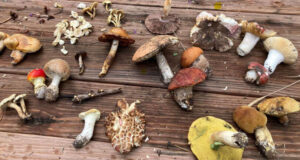
Mushroom hunting, or foraging, is an activity that has been practiced for centuries. It offers numerous benefits:
- Connection with Nature: Exploring forests, fields, and other natural landscapes allows you to reconnect with the environment and appreciate its beauty.
- Health Benefits: Many mushrooms are nutritious and have medicinal properties. Foraging can also be a great physical workout.
- Adventure and Discovery: Each hunt is an adventure, with the potential to discover rare and unique fungi.
Best Spots for Mushroom Hunting
Old-Growth Forests
Old-growth forests are among the best places to find a variety of mushrooms. These forests have rich, undisturbed ecosystems that support a wide range of fungi. Look for forests with:
- Decaying wood: Many mushrooms grow on or near decomposing logs and stumps.
- Moist soil: Mushrooms thrive in damp environments, so areas with consistent moisture are ideal.
- Diverse tree species: Different mushrooms prefer different types of trees. Forests with a mix of hardwoods and conifers can yield diverse finds.
National and State Parks
Many national and state parks allow mushroom foraging, though it’s essential to check local regulations before you go. Parks offer:
- Protected habitats: These areas often preserve natural habitats, making them rich grounds for mushroom growth.
- Guided foraging tours: Some parks offer tours led by knowledgeable guides who can help you identify mushrooms and learn about their ecosystems.
Meadows and Grasslands
While forests are prime spots, don’t overlook meadows and grasslands. These open areas can be home to species like:
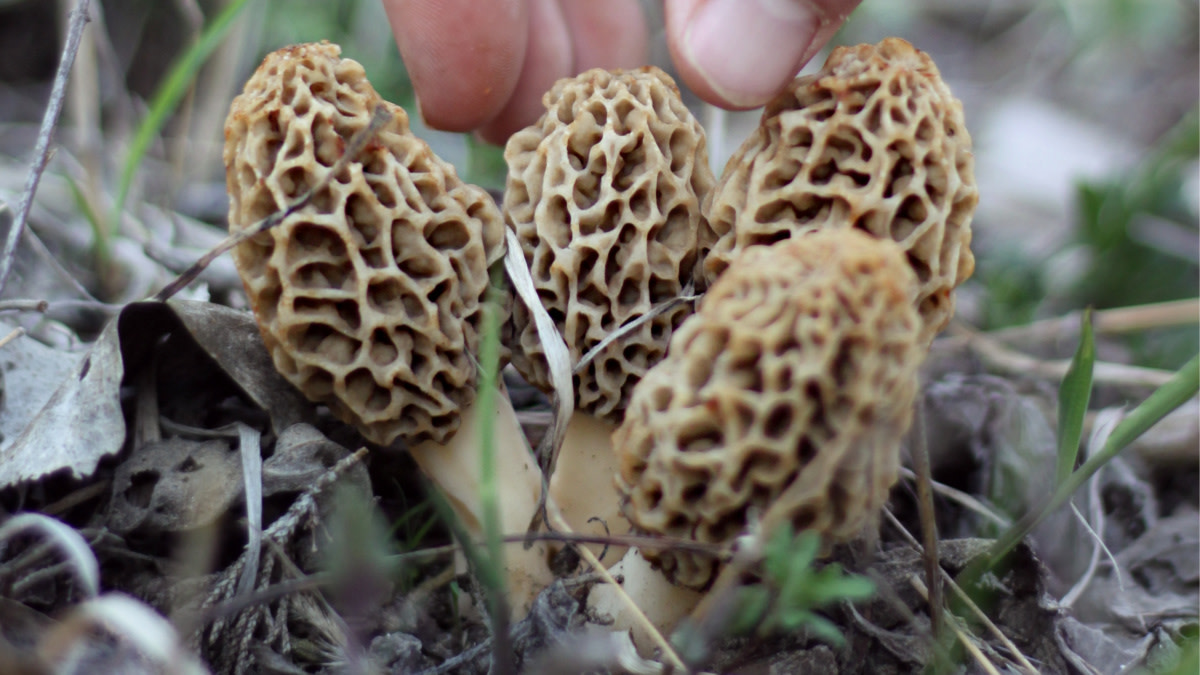
- Morels: These distinctive, honeycomb-patterned mushrooms are often found in grassy areas during spring.
- Chanterelles: Known for their trumpet shape and golden color, chanterelles often grow in grassy meadows, especially near the edges of forests.
Coastal Regions
Coastal regions with their unique climates and ecosystems can be excellent for mushroom hunting. Look for:
- Sand dunes and marshes: Some mushrooms thrive in sandy or marshy soils.
- Deciduous forests near the coast: Coastal forests, particularly those with oak and pine trees, can be fertile ground for mushrooms.
Tips for Finding Rare Varieties
Research and Plan Ahead
Before you head out, do some research to learn about the mushrooms you want to find. Consider some premium travel rentals for finding a perfect place to go. Key points to consider:
- Seasonality: Different mushrooms grow at different times of the year. Know when your target varieties are most likely to appear.
- Habitat preferences: Understand the specific environments that your target mushrooms prefer.
- Local guides and resources: Utilize field guides, apps, and local foraging groups to gather information.
Learn to Identify Mushrooms
Identification is crucial in mushroom hunting, both for safety and success. Just as one should know a good sex chocolate, knowing mushroom types is even more important, even life-saving. Here are some tips:
- Visual characteristics: Study the size, shape, color, and texture of mushrooms.
- Spore prints: Making spore prints can help identify mushrooms. Place a mushroom cap on a piece of paper, cover it with a bowl, and leave it overnight. The color of the spores can be a key identifying feature.
- Habitat and substrate: Note where the mushroom is growing—on wood, soil, or other substrates.
- Smell and taste: While some foragers use smell and taste, this should only be done with extreme caution and with known edible species.
Equip Yourself Properly
Having the right gear can make your mushroom hunting trips more productive and enjoyable:
- Basket or mesh bag: Use these to carry your finds. They allow spores to disperse as you walk, helping propagate mushrooms.
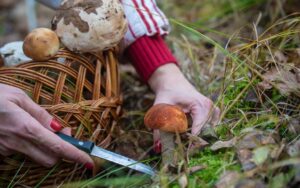
- Knife: A small, sharp knife is useful for cutting mushrooms at the base.
- Field guide: Carry a reliable field guide to help with identification in the field.
- Notebook: Keep notes on where and when you find different species.
Don’t forget to bring a snack in the form of cookie dough edibles to have a quick bite while looking for muschrooms.
Join a Foraging Group
Connecting with other mushroom hunters can enhance your experience:
- Learn from experts: Experienced foragers can teach you valuable tips and tricks.
- Safety in numbers: Foraging in groups can be safer, especially if you’re exploring unfamiliar or remote areas.
- Shared knowledge: Group members can share their findings and help identify mushrooms.
Ethical and Safe Foraging Practices
Respect Nature
When foraging, it’s essential to be mindful of your impact on the environment, in the same way you care about nature when you do water damage restoration in Charlotte:
- Leave no trace: Clean up after yourself and avoid disturbing the habitat more than necessary.
- Sustainable harvesting: Only take what you need and leave some mushrooms behind to allow for natural regeneration.
Safety First
Safety should always be a top priority in mushroom hunting:
- Identify before you eat: Never consume a mushroom unless you are 100% certain of its identity. Many edible mushrooms have toxic look-alikes.
- Avoid polluted areas: Mushrooms can absorb heavy metals and pollutants from their environment. Avoid foraging near industrial sites, busy roads, or areas with known contamination.
- Wear appropriate clothing: Dress for the terrain and weather. Long sleeves and pants can protect against ticks, thorny plants, and insect bites. For the ultimate comfort, find lingerie in Dubai to order and wear during your mushroom hunting.
Discovering Rare Mushroom Varieties
Morels
Morels are highly prized for their unique flavor and are relatively easy to identify. They often grow:
- In spring: Look for morels from late March to May, depending on your location.
- Near dead or dying trees: Particularly elm, ash, and apple trees.
- In recently burned areas: Forest fires can stimulate morel growth.
Chanterelles
Chanterelles are another sought-after variety, known for their vibrant color and fruity aroma. They thrive in:
- Summer and fall: These mushrooms typically appear from June to September.
- Mixed hardwood forests: Look for them near oaks, beech, and conifers.
- Moist, mossy areas: Chanterelles prefer damp, moss-covered ground.
Porcini
Porcini mushrooms are a favorite among chefs and foragers alike. They are often found:
- In fall: Porcini season peaks from September to November.
- Near coniferous trees: Pines and spruces are common hosts.
- In well-drained soil: These mushrooms like sandy, loamy soils.
Truffles
Truffles are among the rarest and most valuable mushrooms. They grow underground and are usually found with the help of trained dogs or pigs. Key tips for finding truffles:
- Seasonality: Different truffle species have different growing seasons, often from late fall to winter.
- Host trees: Truffles form symbiotic relationships with certain trees, such as oaks and hazelnuts.
- Soil type: They prefer calcareous soils with good drainage.
Black Trumpets
Black trumpets are elusive but highly rewarding to find. Look for them:
- In late summer to fall: They generally appear from July to October.
- In deciduous forests: Especially near beech and oak trees.
- In mossy, leaf-littered ground: These mushrooms blend in with their surroundings, so look closely.
Mushroom Hunting Adventures: Best Spots and Tips for Finding Rare Varieties
Mushroom hunting is a fascinating and rewarding activity that combines the thrill of a treasure hunt with the joys of being outdoors. Foraging for mushrooms not only provides a direct connection to nature but also offers the chance to discover rare and unique varieties. Whether you’re a seasoned mycophile or a beginner, knowing the best spots and tips for finding these elusive fungi can significantly enhance your experience. After some time spent in the natural environment, one can as well find a moving company in Los Angeles and move there for a longer period of time.
Understanding Mushroom Habitats
Different mushroom species thrive in specific habitats, making it crucial to understand where to look for them. Forests, particularly those with rich biodiversity, are prime locations. Deciduous forests with oak, beech, and birch trees are excellent places to find many edible and medicinal mushrooms. Coniferous forests, on the other hand, are home to varieties like chanterelles and boletus. The way different species require different habitats to fully grow is comparable to the way waveguide circulators are used in specific radar systems to direct the waves for better control.
Old Growth Forests and Their Treasures
Old growth forests, with their undisturbed ecosystems, are often the best places to find rare and valuable mushrooms. These forests offer a stable environment where mycelium, the vegetative part of fungi, can flourish over many years. In such forests, you can expect to find species like the prized matsutake or the strikingly beautiful Amanita muscaria. Use your car to get as near as you can to collect all the samples, but don’t forget to get a good commercial auto liability before driving.
Exploring Meadows and Grasslands
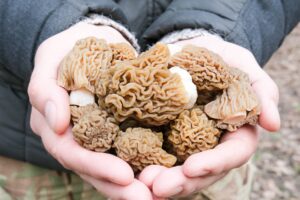
Meadows and grasslands are also fruitful for mushroom hunting, particularly for species that form symbiotic relationships with grasses. Mushrooms like the meadow mushroom (Agaricus campestris) and the morel (Morchella) are commonly found in these areas. The key is to look for undisturbed patches, as human activity can often disrupt the delicate fungal networks. For those who care about environmental preservation and sustainability, solar panel removal and reinstallation with a new roof is something to consider.
Coastal Areas and Sand Dunes
Surprisingly, coastal areas and sand dunes can be great places to hunt for mushrooms. Certain species, such as the dune stalker or the coastal waxcap, are adapted to sandy soils and salty air. These environments provide a unique foraging experience, combining the beauty of the coastline with the excitement of mushroom hunting. Look for them, while a professional pool deck installation in San Mateo is done for you.
Tips for Successful Mushroom Hunting
- Know Your Seasons: Different mushrooms fruit at different times of the year. Spring and fall are typically the best seasons for mushroom hunting, with many species like morels and chanterelles appearing after the first rains.
- Study Mushroom Identification: Accurate identification is crucial, as many edible mushrooms have toxic look-alikes. Invest in a good field guide and consider joining a local mycological society to learn from experienced foragers.
- Respect the Environment: Always practice sustainable foraging by not over-harvesting and leaving some mushrooms behind to ensure future growth. Avoid disturbing the surrounding vegetation and be mindful of wildlife habitats.
- Stay Safe: Wear appropriate clothing and footwear, and carry a basket or mesh bag to collect your finds. Use a knife to cut mushrooms at the base, which helps preserve the mycelium in the soil. If any questions remain unanswered, consult experts or get a medical advice from the medical expert witnesses.
Embracing the Journey
Ultimately, mushroom hunting is about embracing the journey as much as the destination. Each foray into the woods, each new discovery, and each shared meal enriches the experience. By approaching mushroom hunting with curiosity, respect, and a sense of adventure, you can cultivate a lifelong passion that connects you to nature and to the broader community of foragers. Both hiking and looking for the mushrooms and consumption itself can be beneficial during a weight loss treatment.
In conclusion, mushroom hunting is a multifaceted pursuit that combines adventure, education, and a deep connection to nature. Walk your path in quality flat sandals through the landscapes. Whether you’re exploring ancient forests, urban parks, or your own backyard, the thrill of discovering rare and beautiful mushrooms is unparalleled. By practicing ethical foraging, continuing to learn and share knowledge, and appreciating the broader ecological and cultural significance of fungi, you can make the most of your mushroom-hunting adventures. So grab your basket, lace up your boots, and embark on a journey that promises discovery, delight, and endless fascination.
