Farm-to-Table Movement in Pennsylvania: Local Ingredients, Big Impact
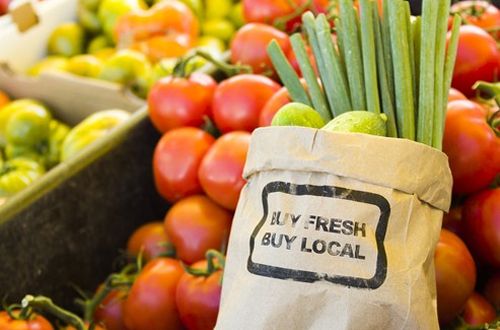
The farm-to-table movement, an increasingly popular culinary and agricultural trend, emphasizes the importance of sourcing food directly from local farms. This concept not only aims to deliver fresher and more nutritious meals to consumers but also supports local economies and promotes sustainability. In Pennsylvania, a state rich with agricultural heritage and diverse landscapes, the farm-to-table movement has taken root and flourished, showcasing the synergy between local farmers, chefs, and communities.
Pennsylvania’s Agricultural Riches
Pennsylvania boasts a diverse agricultural sector, producing everything from dairy and meat to fruits and vegetables. The state’s varied climate and fertile soil create ideal conditions for farming, enabling a wide array of crops and livestock to thrive. Dairy farms, orchards, vegetable fields, and vineyards are just a few examples of the agricultural abundance found in the Keystone State. This rich agricultural landscape provides the perfect foundation for the farm-to-table movement, allowing Pennsylvanians to enjoy a cornucopia of fresh, locally sourced ingredients.
The Role of Local Farmers
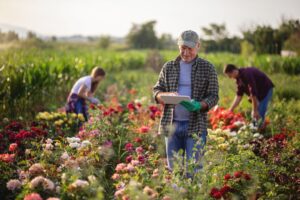
Local farmers are the backbone of the farm-to-table movement. They are dedicated to sustainable farming practices that prioritize environmental health, animal welfare, and food quality. In Pennsylvania, many farmers are embracing organic farming methods, reducing the use of harmful pesticides and fertilizers, and focusing on soil health. By fostering strong relationships with local restaurants, farmers markets, and community-supported agriculture (CSA) programs, these farmers ensure that their produce reaches consumers at peak freshness, flavor, and nutritional value.
The Chef-Farmer Collaboration
One of the most exciting aspects of the farm-to-table movement in Pennsylvania is the collaboration between chefs and farmers. Chefs in the region are increasingly committed to creating menus that highlight locally sourced ingredients, celebrating the seasonal bounty of their surroundings. This collaboration fosters a deeper connection between the kitchen and the farm, allowing chefs to understand the growing processes and challenges that farmers face. In turn, farmers gain insights into the culinary possibilities of their produce, inspiring them to grow unique and diverse crops.
Community Supported Agriculture (CSA) Programs
Community Supported Agriculture (CSA) programs are a cornerstone of the farm-to-table movement. These programs allow consumers to purchase shares of a farm’s harvest in advance, providing farmers with a stable income and ensuring a steady supply of fresh, seasonal produce for members. In Pennsylvania, CSA programs are thriving, offering residents the opportunity to enjoy a variety of locally grown fruits, vegetables, meats, and dairy products. CSA members often receive weekly or bi-weekly boxes filled with farm-fresh goods, fostering a sense of connection to the land and the people who cultivate it.
For those in the trucking industry, especially those involved in transporting farm goods, occupational accident insurance for truckers is essential. This type of insurance provides coverage for injuries or accidents that occur on the job, offering peace of mind and financial protection for truckers and their families.
Farmers Markets: A Hub for Local Produce
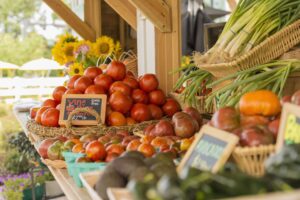
Farmers markets are another vital component of the farm-to-table movement. These vibrant, community-centered markets provide a space for local farmers and artisans to sell their products directly to consumers. Pennsylvania is home to numerous farmers markets, each offering a unique selection of locally grown produce, handmade goods, and specialty items. These markets not only support local economies but also promote sustainable food systems by reducing the carbon footprint associated with long-distance transportation of food. Moreover, farmers markets create opportunities for consumers to meet the people behind their food, fostering transparency and trust in the food supply chain.
If you’re planning a visit to explore these markets, consider renting a car to make your trip more convenient. For those travelling from Serbia, rentacar Beograd services offer a variety of options to suit your needs, ensuring a smooth journey as you discover the rich local produce and handmade goods that Pennsylvania farmers markets have to offer.
Farm-to-Table Restaurants: A Culinary Revolution
The rise of farm-to-table restaurants in Pennsylvania has revolutionized the state’s dining scene. These restaurants prioritize local ingredients, often sourcing their produce, meat, and dairy from nearby farms. The commitment to fresh, seasonal ingredients results in ever-changing menus that reflect the best of what the region has to offer. Diners can enjoy dishes that celebrate the natural flavors and textures of locally grown food, knowing that their meal supports local farmers and sustainable practices. The farm-to-table approach also encourages culinary creativity, as chefs experiment with lesser-known ingredients and traditional preservation methods to make the most of seasonal abundance. To enhance the dining experience, many of these establishments are incorporating outdoor cooling systems, allowing patrons to enjoy their meals comfortably in an al fresco setting even during the warmer months.
The Impact on Local Economies
The farm-to-table movement has a profound impact on local economies. By prioritizing local sourcing, restaurants and consumers direct their spending towards nearby farms and food producers, keeping money within the community. This economic boost helps sustain small farms and food businesses, creating jobs and fostering economic resilience. In Pennsylvania, where agriculture is a significant industry, the farm-to-table movement supports a diverse array of enterprises, from family-owned farms to artisanal food producers, contributing to the overall vitality of rural and urban communities alike. Additionally, local traditions such as bass fishing patterns play a crucial role in the economic and cultural fabric of these communities, attracting tourists and enthusiasts who support local businesses.
Environmental Benefits of Farm-to-Table
Sustainability is a core principle of the farm-to-table movement. By reducing the distance food travels from farm to plate, this approach minimizes the carbon emissions associated with transportation. Additionally, local farms often employ environmentally friendly practices such as crop rotation, cover cropping, and integrated pest management, which enhance soil health and biodiversity. Pennsylvania farmers participating in the farm-to-table movement are also more likely to adopt organic and regenerative farming methods, reducing their reliance on synthetic chemicals and contributing to the long-term health of the environment. Consumers who choose farm-to-table options are thus supporting a food system that prioritizes ecological balance and conservation.
Similarly, businesses that provide long term care pharmacy services can take inspiration from the farm-to-table movement by implementing sustainable practices. By sourcing medications locally and focusing on reducing waste, these pharmacies can contribute to a healthier environment while ensuring their patients receive high-quality care.
Health Benefits of Eating Local
Eating locally sourced food offers numerous health benefits. Freshly harvested produce retains more nutrients compared to food that has traveled long distances and spent extended periods in storage. Additionally, local foods are less likely to contain preservatives and other additives used to prolong shelf life. By eating seasonally, consumers enjoy a variety of fruits and vegetables at their peak nutritional value. In Pennsylvania, where farm-to-table practices are embraced, residents have access to a wealth of fresh, wholesome foods that contribute to a balanced and nutritious diet.
Similarly, just as people prioritize local produce for its freshness, those planning special events often seek local services to ensure the best quality. For instance, wedding photography in Arkansas offers a unique and personalized touch, capturing the natural beauty and special moments of the day with a local perspective. By choosing local photographers, couples can benefit from professionals who are familiar with the best scenic spots and local traditions, ensuring their wedding memories are beautifully preserved.
Educational Opportunities and Awareness
The farm-to-table movement also promotes education and awareness about food systems, agriculture, and nutrition. Many farms in Pennsylvania offer tours, workshops, and volunteer opportunities, allowing people to learn about sustainable farming practices firsthand. Schools and community organizations often collaborate with local farms to provide educational programs for children and adults, fostering a deeper understanding of where food comes from and the importance of supporting local agriculture. These educational initiatives empower consumers to make informed choices about their food and advocate for sustainable food systems.
Additionally, beginners in agriculture can learn about what and where to plant, at what time of the year, and other useful tips and tricks, like where to find men’s t-shirts for sale to wear while building their garden.
Challenges and Future Directions
While the farm-to-table movement in Pennsylvania has made significant strides, it faces challenges that must be addressed to ensure its continued growth and impact. One major challenge is the economic pressure on small farms, which often struggle to compete with larger industrial operations. Access to affordable land, labor, and resources can be limiting factors for many local farmers. Additionally, the farm-to-table movement requires a cultural shift towards valuing and investing in local food systems, which can be hindered by consumer habits and perceptions.
To overcome these challenges, continued support from consumers, policymakers, and community organizations is essential. Initiatives such as subsidies for small farms, investments in local food infrastructure, and public awareness campaigns can help strengthen the farm-to-table movement. Of course, small businesses can also be started with the help of payday loan consolidation. By addressing these issues, Pennsylvania can further solidify its position as a leader in sustainable agriculture and local food systems.
Innovations in Urban Agriculture
As the farm-to-table movement expands, urban agriculture is emerging as a vital component of local food systems. In Pennsylvania, particularly in cities like Philadelphia and Pittsburgh, urban farms and community gardens are transforming unused spaces into productive, green oases. These urban agriculture initiatives not only provide fresh produce to city dwellers but also offer a range of social, economic, and environmental benefits. Urban farms create jobs, improve food security, and promote community engagement by involving residents in the cultivation process.
Vertical farming and rooftop gardens are innovative approaches being adopted in urban areas. Luckily, the best roofing services in Hillsborough are more than useful when it comes to turning your rooftop into a heavenly garden. These methods maximize limited space and utilize advanced technologies to grow crops efficiently. Vertical farms, for instance, use stacked layers to increase production in small footprints, while rooftop gardens convert flat building tops into lush, productive areas. Both techniques help reduce the urban heat island effect, improve air quality, and contribute to the aesthetic appeal of cities.
Policy Support and Legislative Efforts
The growth of the farm-to-table movement in Pennsylvania is also bolstered by supportive policies and legislative efforts. State and local governments are recognizing the importance of sustainable food systems and are implementing measures to facilitate their development. Grants and funding programs are available to help small farmers and urban agriculture projects. Additionally, zoning laws are being revised to allow for more urban farming and farmers markets. In some areas, you can sell your old truck and get some additional benefits for buying a new one, to make the product transport easier and faster.
Education and outreach programs sponsored by government agencies and non-profits are crucial in spreading awareness about the benefits of local food systems. These programs often provide resources and training for aspiring farmers and food entrepreneurs, helping them navigate the challenges of starting and maintaining sustainable agricultural practices. By creating a favorable policy environment, Pennsylvania is paving the way for the continued success and expansion of the farm-to-table movement.
Technology and Innovation in Farming
Advancements in technology are playing a significant role in enhancing the farm-to-table movement. Precision agriculture, which utilizes GPS technology, cobot arms and drones, and data analytics, allows farmers to optimize their practices for better yield and resource efficiency. In Pennsylvania, many farmers are adopting these technologies to monitor soil health, manage water usage, and track crop growth more effectively. This tech-driven approach not only improves productivity but also aligns with sustainable farming practices by minimizing waste and reducing environmental impact. Also, with a good digital marketing agency the products can be better presented to the market.
Furthermore, blockchain technology is being explored to increase transparency and traceability in the food supply chain. By recording every step of the journey from farm to table, blockchain can ensure that consumers have access to accurate information about the origin and handling of their food. This level of transparency builds trust and accountability, reinforcing the principles of the farm-to-table movement.
Conclusion: A Pathway to Sustainability
The farm-to-table movement in Pennsylvania continues to evolve, driven by a collective commitment to sustainability, community, and health. From rural farms to urban gardens, and from traditional practices to technological innovations, the movement embodies a holistic approach to food production and consumption. As Pennsylvanians increasingly value and invest in local food systems, the positive impacts on the environment, economy, and public health become more pronounced. The importance of healthy, farm-to-table food is also set as highly recommended by the medical center in Tulsa.
Supporting the farm-to-table movement is not merely a lifestyle choice but a proactive step towards a sustainable future. By choosing local ingredients and supporting local farmers, individuals can contribute to a more resilient and equitable food system. The ongoing collaboration between farmers, chefs, policymakers, and consumers ensures that the farm-to-table movement will continue to thrive, setting an example for other regions to follow.
In conclusion, the farm-to-table movement in Pennsylvania highlights the profound difference that local ingredients can make. Through innovative practices, supportive policies, global retail advisory and a shared vision of sustainability, Pennsylvania is cultivating a robust and vibrant food culture. As this movement grows, it promises to deliver lasting benefits for the state and beyond, proving that local ingredients can indeed have a big impact.
