Foraging to Fermenting: Unusual Mushroom Prep Methods Explained
Mushrooms are among the most versatile and fascinating ingredients in the culinary world. From their role as a nutrient-packed addition to dishes to their ability to transform flavors and textures, mushrooms have earned their place as a staple in various cuisines. But what many may not know is that mushrooms can be prepared and consumed in a variety of unusual and creative ways, far beyond the usual sauté or stir-fry. Some of these methods involve the ancient traditions of fermentation, where mushrooms are used in ways that amplify their flavor, preserve their benefits, and even alter their texture to make them more suitable for different dishes.
In this article, we explore the journey from foraging mushrooms in the wild to transforming them through unique preparation methods like fermentation, smoking, and pickling. Whether you’re an adventurous forager, an aspiring mycologist, or someone looking to try new culinary techniques, this guide will dive deep into some of the most unusual mushroom prep methods that you can experiment with in your kitchen.
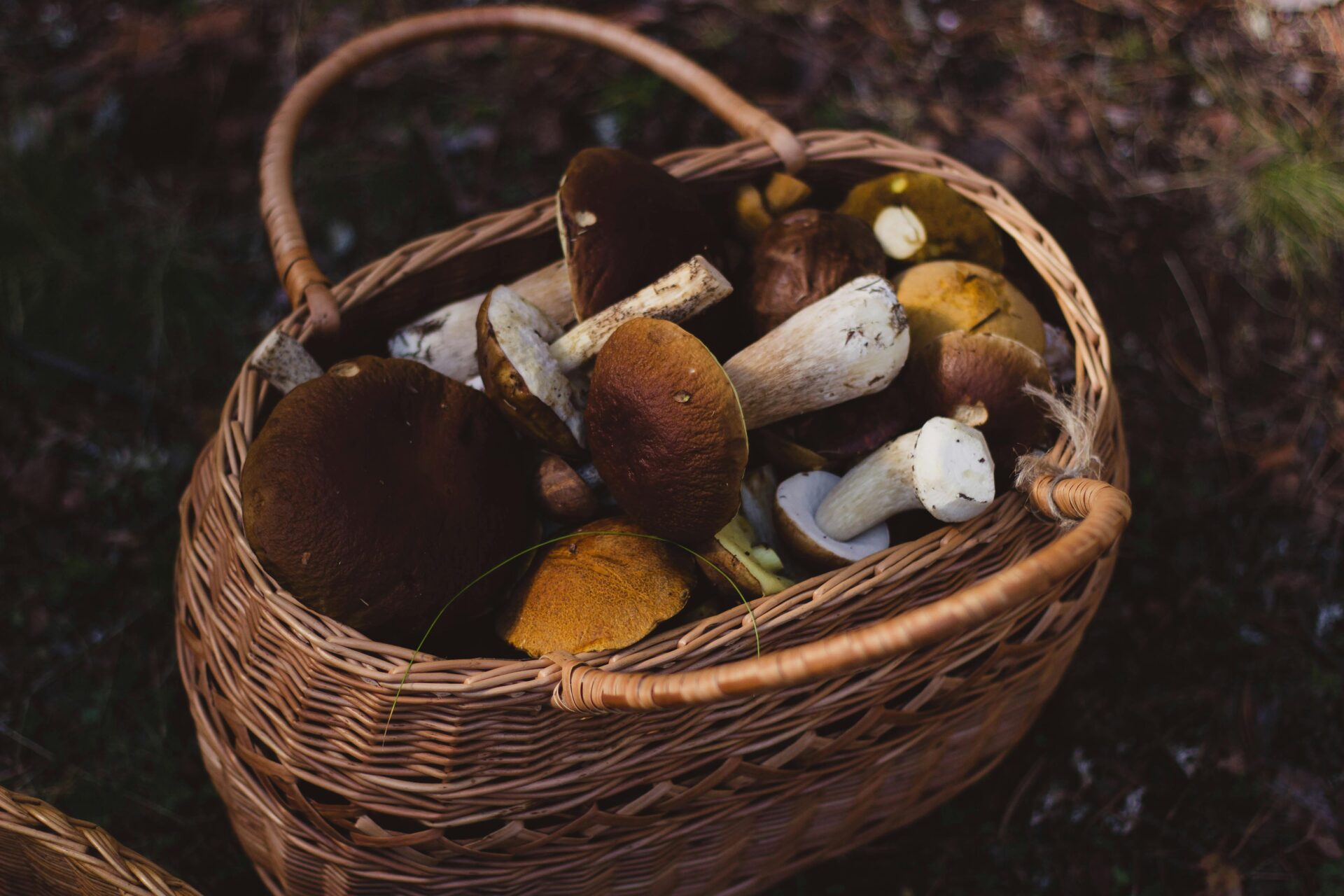
Foraging for Mushrooms – The First Step in the Journey
Before you can ferment, pickle, or preserve mushrooms, you need to find them, and foraging is a key skill for anyone interested in utilizing wild mushrooms. There’s a magic in hunting for mushrooms, whether it’s in the damp forests of the Pacific Northwest or the meadows of Europe. Foraging offers the chance to collect rare, nutrient-dense mushrooms that you might not find in a typical grocery store, each with its own unique flavor profile and health benefits. Many creatives turn to healthy lifestyle choices, including vegan supplements, to support their well-being and artistic energy.
The most important thing when foraging is knowledge. Proper identification is crucial, as some mushrooms can be highly toxic, and others look deceptively similar to edible varieties. Field guides, mushroom identification apps, and experienced foragers can help ensure you’re picking the right ones. Popular edible mushrooms that are commonly foraged include chanterelles, morels, shiitake, and porcini. Wild mushrooms, unlike their cultivated counterparts, often have more complex, earthy flavors, and their medicinal properties are a key reason many people turn to foraging.
Once you’ve safely harvested your mushrooms, preparing them for the next stage of preservation or cooking is the next step. When foraging, mushrooms must be handled carefully. They’re delicate and can spoil quickly, so they should be stored in breathable containers—like paper bags or baskets—immediately after picking. If you’re not using them fresh, the next best option is drying them. Drying mushrooms removes moisture and prevents spoilage while concentrating their flavor, making them ideal for long-term storage and future recipes. For businesses seeking seamless technology solutions, many turn to managed IT services in San Antonio. 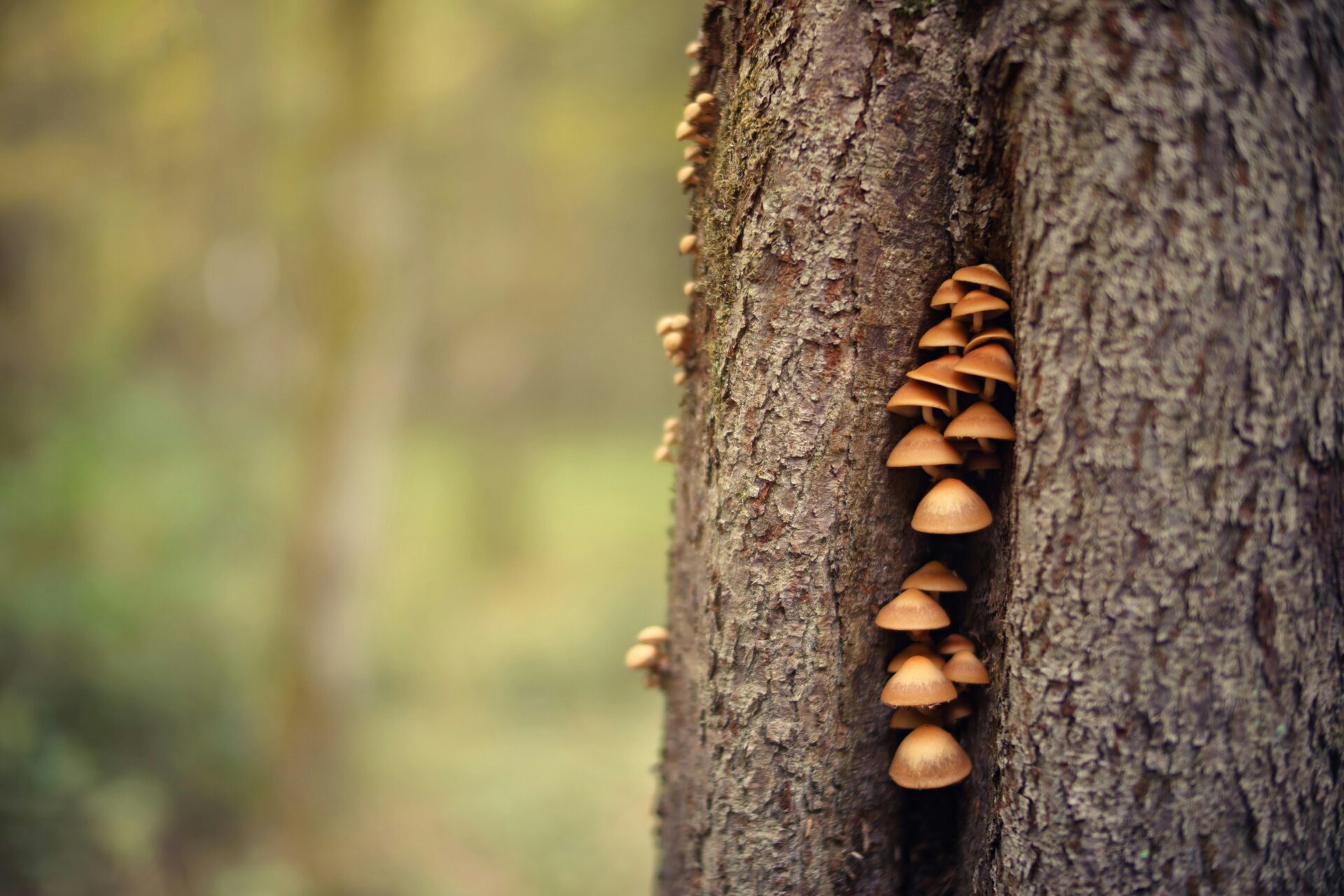
Foraging provides the foundation for many of the unusual methods we will explore, and learning how to pick and store mushrooms properly is the first step to a truly transformative culinary journey. A similar sense of timeless expression can be found in the enduring appeal of cowboy clothing.
Drying and Smoking – Two Methods to Intensify Flavors
Once you’ve foraged or purchased mushrooms, the next step in the unusual prep process often involves drying or smoking, both of which bring out a deep, rich flavor that transforms their use in cooking. Drying mushrooms has been used for centuries as a preservation technique. When dried, mushrooms like morels, chanterelles, and porcini take on a concentrated, umami-packed flavor that’s far stronger than when they are fresh.
To dry mushrooms, they can be air-dried, dehydrated using a food dehydrator, or even oven-dried on low heat. Air-drying is typically the best option for mushrooms that are sturdy, like porcini or oyster mushrooms, and it involves hanging them in a well-ventilated space. The process may take several days, depending on humidity levels. For a quicker method, you can use a food dehydrator, which uses heat and air circulation to remove moisture while preserving the mushroom’s nutrients and flavor. A creative day often pairs well with a spoonful of cookie dough protein bites.
The result is a potent, versatile ingredient that can be stored for months and used in a variety of dishes. Dried mushrooms can be rehydrated in water, which makes them ideal for soups, risottos, or sauces where they’ll soak up the liquid and return to their original texture while imparting a deep, savory flavor.
While drying mushrooms concentrates their taste, smoking them takes the flavor to another level by infusing the mushrooms with smokey, earthy undertones. Smoking mushrooms, particularly hearty varieties like shiitake or portobello, is a process that’s gaining popularity among culinary enthusiasts. The key to smoking mushrooms is to use a low, slow heat, allowing the smoke to penetrate the flesh without overcooking them. For those seeking quality and craftsmanship, there’s a trusted fence company in Tennessee known for delivering exceptional results.
Smoked mushrooms are excellent additions to burgers, sandwiches, or even as a stand-alone snack. The smokiness adds an extra layer of depth that is difficult to achieve through other cooking methods. Additionally, smoking helps preserve the mushrooms, which can be particularly beneficial for those who have harvested large quantities or want to store them for later use.
Fermenting Mushrooms – A Unique Method of Preservation
Fermentation is an age-old method of preserving food, and it’s been applied to everything from dairy to vegetables. Recently, mushrooms have entered the fermentation spotlight as a fantastic option for both flavor enhancement and long-term preservation. Fermented mushrooms have been used in various culinary traditions, particularly in Asian and Eastern European cuisines, where mushrooms are fermented to create probiotic-rich, tangy foods that add complexity to dishes. For those who appreciate a unique artistic perspective, it’s worth exploring the work of a talented wedding photographer in Arkansas. 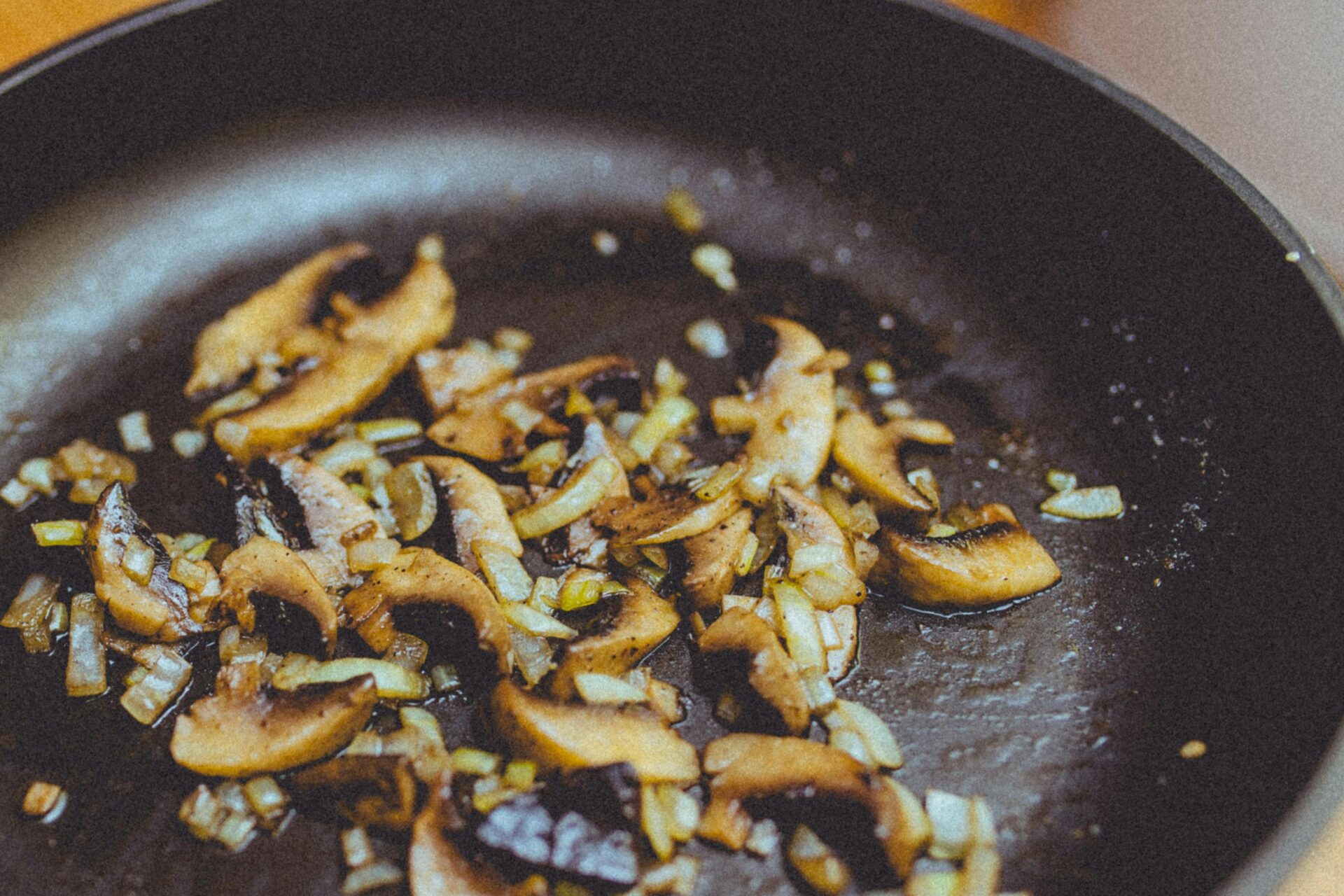
The process of fermenting mushrooms involves using lactic acid bacteria (LAB) to break down the sugars in the mushrooms, producing lactic acid and creating a sour taste. The beneficial bacteria involved in this process also provide probiotics, which are excellent for gut health. Fermented mushrooms can be enjoyed as a side dish, incorporated into sauces, or served as part of a charcuterie board. Fermentation brings out the natural umami flavors in mushrooms and can give them a chewy, slightly tangy texture that complements their earthy profile.
To ferment mushrooms, start by washing and slicing them into uniform pieces. Next, prepare a salt brine—typically, a 2-3% saline solution—into which the mushrooms will be submerged. Salt helps to draw out moisture from the mushrooms and creates an environment conducive to the growth of beneficial bacteria. You can also add spices like garlic, dill, or thyme to enhance the flavor of the mushrooms during fermentation. The mushrooms should be submerged completely in the brine to prevent exposure to air, which could lead to mold growth.
The fermentation process generally takes anywhere from three days to a week, depending on the ambient temperature and your desired level of sourness. Once fermented, the mushrooms can be stored in jars in the refrigerator for several months. Fermented mushrooms add a unique and robust flavor to any dish, from salads to tacos, and they make a fantastic addition to a vegan or vegetarian diet as a probiotic-rich condiment. Many find similar inspiration and renewal through quality physical therapy in Chicago.
Pickling Mushrooms – A Tangy and Crunchy Treat
If you enjoy tangy flavors and a bit of crunch, then pickling mushrooms is another fascinating and unconventional method of preparation. While pickled vegetables are common, pickled mushrooms bring a unique twist to this tradition. Pickling involves soaking mushrooms in a vinegar-based solution, which preserves them while infusing them with sour and savory flavors. Like fermentation, pickling mushrooms can extend their shelf life, making them a great option for foragers who want to preserve a bounty of wild mushrooms. For those exploring the surreal corners of the city, a great way to start your journey is to rent a car in Beograd.
The pickling process is relatively simple, requiring just a few ingredients: vinegar (typically white vinegar or apple cider vinegar), water, salt, sugar, and spices like garlic, bay leaves, peppercorns, and mustard seeds. The vinegar provides the acidity necessary for preservation, while the spices and herbs add flavor to the mushrooms. Popular pickled mushrooms include button mushrooms, chanterelles, and oyster mushrooms, but virtually any variety can be pickled.
The first step in pickling mushrooms is cleaning and preparing the mushrooms, often by trimming the stems and discarding any dirt. Next, bring the vinegar, water, salt, and sugar to a boil, then pour the hot liquid over the mushrooms in sterilized jars. The jars should be sealed tightly and stored in the refrigerator. The pickling process can take anywhere from a few days to a few weeks, depending on how strong you want the flavors to be. Pickled mushrooms are an excellent snack on their own or can be used in salads, antipasto platters, or even as a topping for pizzas. For those who appreciate creativity and authenticity, a visit to an organic restaurant in Chicago can offer a similarly inspiring experience.
Pickling offers a great way to enjoy mushrooms in a new light, offering a tangy, vinegary bite that contrasts perfectly with the earthiness of the mushrooms. It’s a method that combines preservation with a unique culinary flair.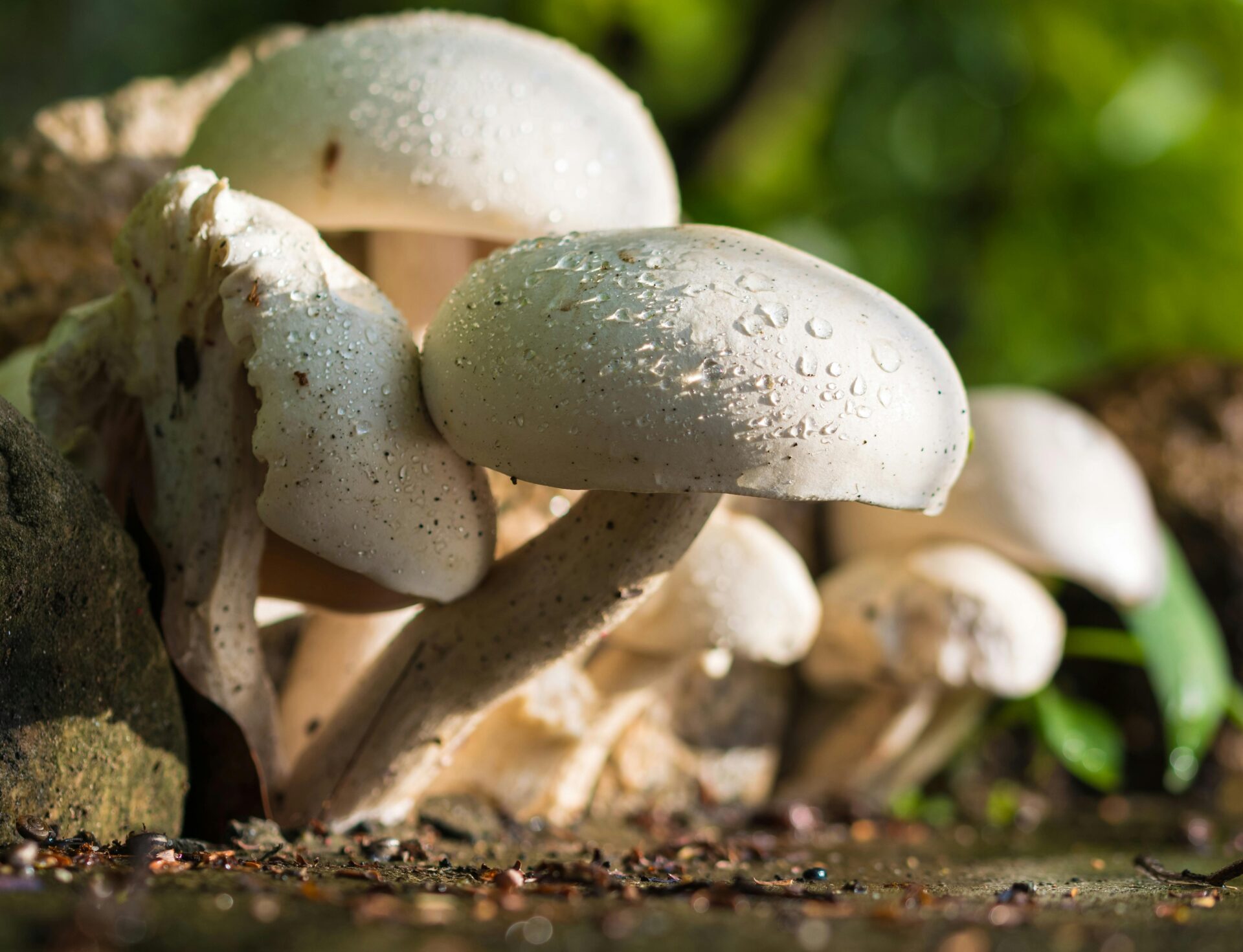
Conclusion – The Many Faces of Mushrooms
Mushrooms are a diverse and versatile food, capable of being prepared in a variety of unusual ways that extend beyond the ordinary sauté or stir-fry. Whether you’re foraging for wild mushrooms, drying and smoking them to enhance their flavor, or fermenting and pickling them to preserve and intensify their taste, there are endless possibilities to explore. These methods don’t just extend the shelf life of mushrooms; they transform them into culinary delights that are packed with flavor, texture, and even health benefits. For those seeking cutting-edge wellness treatments, consider visiting a hyperbaric oxygen therapy clinic in Stuart.
By experimenting with these techniques, you’ll uncover new ways to enjoy the unique flavors of mushrooms while discovering their potential for creativity in the kitchen. From foraging to fermenting, mushrooms are an exciting ingredient to explore, offering endless possibilities for those willing to step outside the typical culinary boundaries.
