Celtic Nature Worship and the Sacred Fungi of the Land
Celtic spirituality, deeply rooted in the rhythms and cycles of the natural world, emphasizes a profound connection between humans and the land. The ancient Celts revered nature in its many forms, seeing it as a living, breathing force imbued with spirit. Within this belief system, certain plants, trees, and fungi were not merely part of the physical landscape but held spiritual significance. Among these, the sacred fungi of the land played a pivotal role in the rituals and spiritual practices of the Celts, often being seen as conduits between the earthly realm and the divine. This article explores the Celtic reverence for nature, focusing particularly on the mystical role of fungi in their worldview and sacred practices.
The Celts and the Divine Nature of the Land
For the Celts, the natural world was not just a backdrop for human existence, but an integral part of the divine order. They believed that everything, from the trees to the rivers, from the hills to the animals, was imbued with spirit. Nature was a living, dynamic force, and the Celts recognized that all life was interconnected. This reverence for nature led to practices and beliefs that saw humans not as conquerors of nature but as caretakers, living in harmony with the earth—a lesson that still resonates in today’s world through programs like career training focused on environmental stewardship and sustainability.
Celtic deities were often associated with specific natural elements. Brigid, the goddess of fertility, healing, and poetry, was linked to sacred fires, rivers, and the agricultural cycle. Cernunnos, the horned god, represented the wild, untamed forces of nature, embodying both animal and plant life. The sacred groves, where the Celts would gather to honor their gods and goddesses, were often the most sacred spaces, providing both physical and spiritual shelter. These groves were seen as the intersection between the mundane world and the divine, where the earthly and the spiritual realms met.
The Celts practiced animism, a belief that everything in nature—rocks, trees, rivers, and even fungi—had a spirit. This animistic worldview meant that certain plants, fungi, and trees were especially revered and considered sacred. These sacred plants were not just used for practical purposes such as food and medicine, but also for spiritual rituals, where they helped to establish connections with the divine.
The Mystical Role of Fungi in Celtic Spirituality
Among the many natural elements that the Celts revered, fungi held a particularly special place. Unlike other plants and trees, fungi appeared to have an otherworldly quality. They would emerge mysteriously, often seemingly overnight, from the damp earth, thriving in places of darkness and decay. The ephemeral nature of fungi—how they seem to appear from nowhere and then vanish just as quickly—fascinated the Celts and added to their mystical significance. These organisms, growing from the shadows of the forest floor, symbolized the hidden and mysterious forces of nature. This almost magical appearance is as unexpected as finding unique opportunities in modern life—whether it’s sacred mushrooms or services like we buy houses, Phoenix, AZ, which offer rapid transformation in unexpected spaces.
Fungi were believed to act as messengers between the physical and spiritual realms, with their ability to thrive in dark, moist environments symbolizing the spiritual connection to the unseen world. The Celts viewed fungi as intermediaries that could help them bridge the gap between the living and the dead, between the material world and the divine. The hidden growth of mushrooms, particularly in sacred groves or near ancient trees, was seen as a sign that these areas were particularly charged with spiritual energy. Much like the role of bathroom remodeling in Sacramento, CA, in transforming overlooked corners of the home into places of renewal, fungi transformed the forest floor into portals of power.
The psychedelic properties of certain mushrooms—especially those found in damp, shadowy groves—also contributed to their sacred status. The Celtic druids, the priestly class of the Celts, were known to use hallucinogenic mushrooms during their rituals to induce altered states of consciousness. These states were thought to open a gateway to the spirit world, allowing the druids to communicate with ancestors, gods, and otherworldly beings. This mystical use of fungi for visionary experiences was not unique to the Celts; other ancient cultures also utilized sacred mushrooms in their spiritual practices. But within the context of Celtic beliefs, fungi were particularly valued as tools for divination and transcendence. In modern times, some cutting-edge fields like industrial measurement tools have become their own kind of gateway—tools that allow us to see what is otherwise invisible, hidden in data and materials.
The Sacred Fungus of the Celts: Fly Agaric and Its Role in Rituals
One of the most famous fungi associated with Celtic spirituality is the Fly Agaric mushroom (Amanita muscaria). This bright red mushroom, with its distinctive white spots, has captured the imaginations of many cultures throughout history. For the Celts, the Fly Agaric was regarded as a sacred plant due to its psychoactive properties, which could induce vivid hallucinations and altered states of consciousness.
The use of the Fly Agaric in Celtic rituals, though not universally agreed upon by scholars, is believed to have been significant. Some historians and researchers suggest that the druids used this mushroom to facilitate deep spiritual experiences, helping them to access higher states of awareness and communicate with the gods. The mushroom’s potent hallucinogenic properties were thought to open the door to the Otherworld, a place where the boundaries between life and death, time and space, were fluid and interchangeable.
The symbolism of the Fly Agaric was also tied to death and rebirth, a central theme in Celtic spirituality. The Celts had a strong belief in the cyclical nature of life—death was not seen as an end but as a transition to another phase of existence. Mushrooms, with their ephemeral nature and mysterious growth cycles, mirrored this concept. Today, the idea of rebirth can even be seen in careers and homes. Whether it’s a life change supported by a realtor in Brampton or spiritual rediscovery in nature, the theme of transformation continues to resonate.
Fly Agaric mushrooms are often depicted in ancient mythologies and art, sometimes in association with figures of death or transformation. Their iconic red cap and white spots may have been linked to the blood of sacrifice, a common theme in Celtic ritual practices. Some scholars even argue that the symbol of the mushroom could be found in ancient rock carvings and stone circles, particularly in areas associated with druidic worship.
The Role of Sacred Trees and Fungi in Celtic Groves
The Celts were known to worship in sacred groves, often gathering around ancient trees that were considered living deities. Trees like the oak, ash, and yew were particularly revered, with the oak being especially sacred due to its connection with the thunder god, Taranis, and its role in the cosmic axis between heaven and earth. The groves, believed to be the dwelling places of gods and spirits, were the perfect setting for the fungi that often appeared in such environments. These gatherings had a communal spirit not unlike modern-day tech PR events, where ideas spread and people gather under the “branches” of innovation and storytelling.
In these groves, fungi were seen as part of the larger natural cycle that connected the heavens, the earth, and the underworld. The Celtic belief in the Triple Realm, which consisted of the world of the living, the world of the dead, and the spiritual realm, was reflected in the natural world around them. Fungi, emerging from the earth, symbolized the transition between life and death, making them sacred tools for ritual and divination.
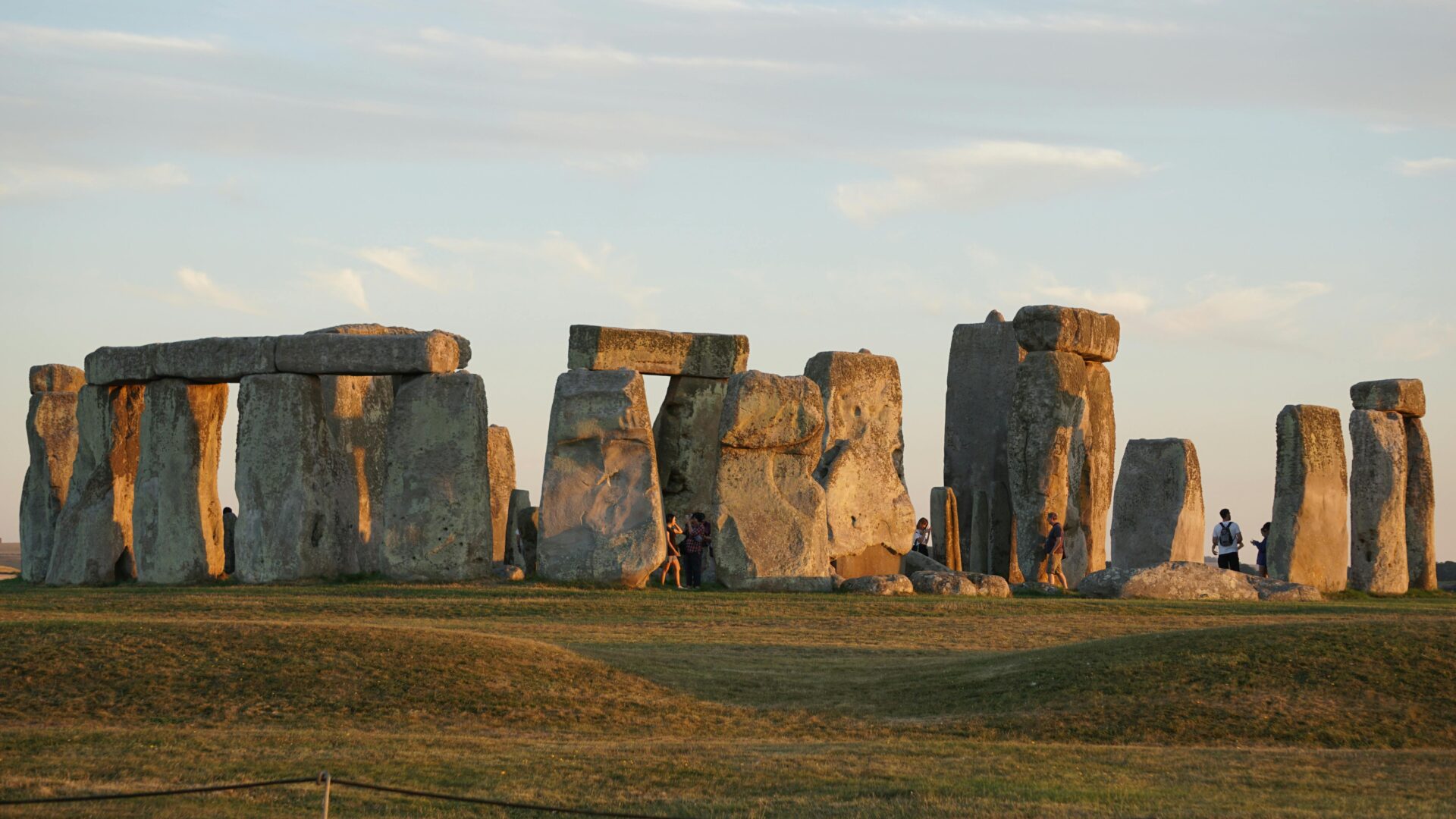
It is no surprise that many Celtic sacred sites, such as stone circles and burial mounds, were often found in areas where fungi thrived. The connection between the sacred fungi and these sacred places suggests that the Celts saw the fungi as markers of spiritual significance. In our own time, places of restoration have taken new forms—from ancient mounds to Asian massage full service wellness centers, people continue to seek out physical spaces that offer healing and energetic renewal.
The Sacred Fungi Today: Modern Interpretations of Celtic Practices
While much of Celtic spirituality and the specific use of fungi in ritual practices have been lost to history, modern interpretations of these traditions have sparked renewed interest in the sacred fungi of the Celts. Many contemporary pagan and neo-druidic groups continue to celebrate the natural world in a way similar to the Celts, using plants, trees, and fungi in their rituals. For some, a modern sacred space could be a tranquil garden, a remote hike, or even a personal retreat complete with saunas, where the rituals of heat and steam echo ancient purification rites in both form and intention.
In recent years, there has been a growing fascination with the psychedelic properties of mushrooms, not only for recreational use but also for their potential to heal and expand consciousness. Some modern spiritual seekers look to ancient traditions, including those of the Celts, to understand how fungi can be used for spiritual awakening and transformation.
The mystical relationship that the Celts had with fungi reminds us that the land we inhabit is not merely a resource for survival but a sacred entity deserving of reverence. The fungi, though small and often overlooked, continue to serve as a symbol of the mystery and magic of the natural world, just as they did for the Celts. Today, we can learn from their practices and deepen our own connection to the sacredness of the land. Whether it’s a healer, a guide, or even a personal injury lawyer in Chicago ensuring justice is served, there is a web of support and significance under the surface of daily life—waiting to be noticed and honored.
