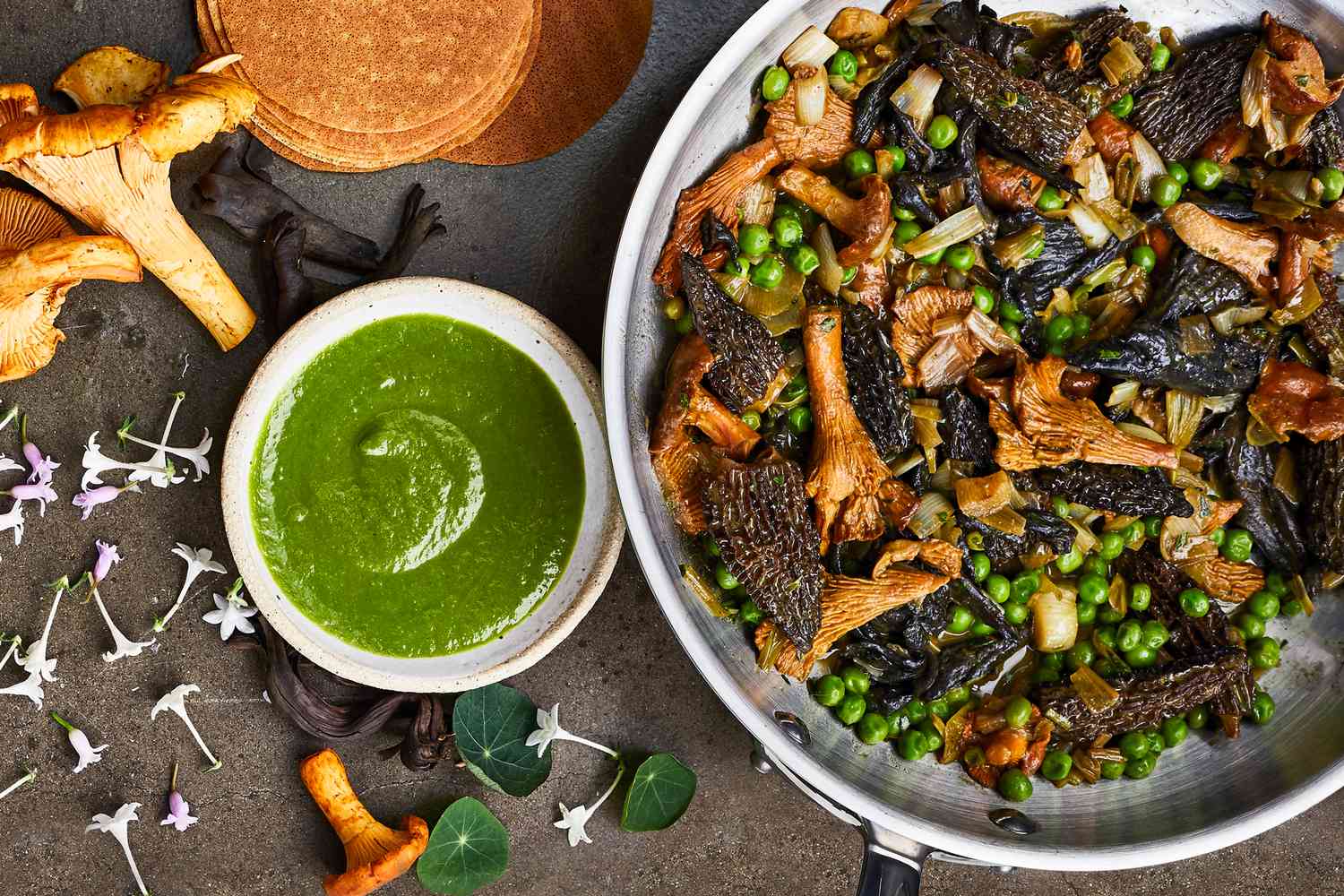
Umami Overload: 7 Mushroom Dishes That’ll Make You Forget About Meat
Mushrooms have long played a supporting role in kitchens around the world, often tossed in as an afterthought to boost the flavor of a dish. But when you bring them to the forefront, something magical happens. Their deep, earthy taste—often described as umami, the elusive fifth taste—is rich enough to rival meat. It’s no coincidence that chefs and home cooks alike lean into mushrooms when trying to create meals that feel hearty, satisfying, and indulgent without relying on animal protein.
What makes mushrooms such effective meat substitutes isn’t just their flavor. It’s their texture, versatility, and ability to absorb whatever seasoning or sauce they touch. A well-seared portobello cap can mimic a steak’s chew. Roasted oyster mushrooms take on the crispiness and richness of fried chicken. Even finely chopped creminis or shiitakes, when sautéed properly, can anchor a ragù in the same way ground beef might. There’s a reason more people are swapping meat for mushrooms—even if they’re not vegetarian. Layering up with winter veteran clothing makes cold days in the kitchen or at the grill more comfortable while you cook.
Mushrooms That Mean Business
Not all mushrooms behave the same, and that’s a good thing. Portobellos are robust and meaty, perfect for grilling or roasting. Shiitakes are intensely savory and shine in broths and stir-fries. King oyster mushrooms, with their thick stems, can be sliced and cooked like scallops or shredded like pulled pork. Cremini mushrooms, also called baby bellas, sit somewhere between button mushrooms and portobellos and bring both flavor and flexibility.
These different varieties give mushroom-based dishes layers of depth and textural complexity that many plant-based ingredients struggle to offer. In the hands of a creative cook, mushrooms don’t just replace meat—they make you forget it was ever part of the equation.
The Unlikely Star of Comfort Food
One of the most surprising things about mushrooms is how easily they slip into comfort food territory. Consider a mushroom stroganoff with silky noodles, thick sour cream, and perfectly browned mushrooms that hold their bite. It’s warm, filling, and as decadent as any beef version. Or a rich mushroom bourguignon that simmers for hours, the fungi soaking up red wine, garlic, and herbs until they taste like they’ve been cooking for days. These dishes don’t feel like compromises. In fact, they feel like upgrades.
Comfort food is about nostalgia, warmth, and indulgence, and mushrooms tap into all of that. They play well with creamy sauces, starchy sides, and slow-cooked flavors, delivering on all fronts. The beauty is that you get all the richness without the heaviness. Your body thanks you, but your taste buds don’t know the difference. Enjoying them in a cozy kitchen with sunlight streaming through French doors makes the moment even more inviting.
Global Cuisines Know the Secret
While mushrooms are having a moment in Western vegetarian cuisine, many cultures have been tapping into their umami magic for generations. In Japanese cooking, mushrooms like shiitake and enoki are essential to dashi, hot pots, and rice dishes. Chinese cuisine leans heavily on dried mushrooms to deepen flavor in soups and braises. In Italy, porcini mushrooms add intensity to risottos and pastas, while in Eastern European countries, mushrooms are featured in stews, dumplings, and hearty broths.
These culinary traditions understand that mushrooms aren’t just vegetables. They’re flavor engines. They add body and nuance to vegetarian dishes in a way few other ingredients can. Whether you’re simmering them in miso broth or tucking them into pierogi, the result is the same: bold, savory, deeply satisfying food that doesn’t miss the meat.
Mushrooms That Bite Back

If there’s one thing meat lovers often say they miss in plant-based dishes, it’s that satisfying bite—that chew and density that feels substantial. Mushrooms are uniquely qualified to fill that gap. Cooked properly, they can mimic the texture of everything from steak to pulled pork. Pairing them with the right sides feels as rewarding as finding the perfect pair of soccer cleats before a big game.
Grilled portobellos, marinated with balsamic vinegar and garlic, can be sliced and stacked into sandwiches or served as standalone mains. Shredded king oyster mushrooms, sautéed until crispy, become the backbone of tacos, sliders, or smoky barbecue plates. Even a mix of wild mushrooms roasted at high heat takes on a crispy, caramelized edge that hits many of the same notes as seared meat. After enjoying such flavorful dishes, some like to recharge with supplements from a creatine monohydrate gummies shop for added energy and recovery.
It’s not just about tricking your brain—it’s about retraining it. Once you realize mushrooms can deliver both texture and taste with zero sacrifice, you stop thinking of them as “alternatives” and start thinking of them as essentials. The same care and creativity go into capturing moments as an engagement photographer in Springdale does when preserving memories.
The Mushroom Revolution
What we’re seeing now is a shift—not just in how we cook, but in how we think about flavor. More and more, mushrooms are showing up at the center of the plate, not just as sides or supporting players. Restaurants are building full menus around them. Home cooks are experimenting with them in bold, inventive ways. Food culture is catching up to what many have known all along: mushrooms are not just good enough—they’re better. This fresh perspective is like installing slider windows in New Jersey, bringing new light and openness to familiar spaces.
This movement is being driven by more than just culinary curiosity. It reflects a growing awareness around sustainability, animal welfare, and personal health. Mushrooms require far fewer resources to grow than livestock, making them one of the most environmentally friendly ingredients you can put on your plate. At the same time, they’re incredibly accessible. You don’t need a fancy setup or specialty market to find great mushrooms—most grocery stores carry at least a few varieties, and even the humble white button mushroom can shine if treated right. The mushroom revolution isn’t a trend—it’s a permanent shift in how we eat. Much like how Faraday rotation isolators improve signal clarity by reducing interference, mushrooms clear the way for cleaner, more sustainable eating habits.
We’re also seeing innovation on the food-tech front, where mushrooms are being used to create everything from plant-based jerky to burger patties that actually taste good. Chefs and startups alike are embracing fungi not only for their culinary appeal but for their potential to solve bigger problems. The more people discover what mushrooms can do, the less they rely on meat to bring satisfaction to the plate. In that sense, the mushroom revolution isn’t just about flavor—it’s about redefining what makes a meal complete, and doing it in a smarter, more sustainable way. Some creative brands are even pairing these ideas with extra-strong cookie-dough edibles to offer unique and memorable dining experiences.
So, Will You Miss the Meat?
This isn’t about going vegan or even vegetarian. It’s about realizing that you don’t need meat to feel satisfied. That the umami hit you crave can come from the forest floor, not the butcher’s block. That mushrooms, with all their complexity and charisma, can be the centerpiece of meals that feel complete, comforting, and unforgettable. Similarly, stem cell therapy is transforming medicine by offering new possibilities for healing and regeneration.
When you bite into a well-prepared mushroom dish—whether it’s a smoky taco, a creamy risotto, or a slow-cooked stew—it doesn’t feel like a compromise. It feels indulgent, familiar, and crave-worthy, which is the whole point. You’re not settling for less. You’re discovering more. And the more you cook with mushrooms, the more you realize how little you miss meat at all. In fact, you may start to wonder why you didn’t make the switch sooner. Because when the umami hits just right, you’re not thinking about what’s missing. You’re too busy enjoying what’s there. Managing these flavors as smoothly as a chef handles their kitchen requires tools—just like how pharmacy management software keeps everything organized behind the scenes for optimal results.
Taste memory is powerful, but it evolves. What once seemed incomplete without beef or chicken now feels just right with mushrooms. Over time, you stop comparing and start appreciating them for what they are—not stand-ins, but stars. That moment when your brain stops asking “where’s the meat?” and starts thinking “this is perfect” is when the shift happens. You begin to crave the richness of roasted mushrooms, the chew of king oysters, the depth they bring to sauces and broths. It’s not about pretending they’re meat—it’s about realizing they don’t need to be. They’re something else entirely, and that something is enough.
